Japanese denim vs regular denim: the difference, and is it worth it?
Japanese denim differs from regular denim in how it is made: it is more often woven slowly on shuttle looms as selvedge, rope dyed with indigo so the core of the yarn stays light, spun from uneven yarns that give it texture, and sold raw so it fades with the person who wears it. Regular denim is usually woven wide and fast, dyed for even colour and washed before it is sold. Whether that difference is worth the price depends on what you want from a pair of jeans.
Japanese denim vs regular denim at a glance
The word regular covers a wide range. A good European or American mill can weave denim that equals a Japanese one, and a cheap pair can carry a Japanese label. The table compares typical Japanese denim with typical mass market denim, not the best of one with the worst of the other.
| Japanese denim (typical) | Regular denim (typical) | |
|---|---|---|
| Loom | Often narrow shuttle looms, with a selvedge edge | Wide projectile or air jet looms, with an overlocked edge |
| Dyeing | Rope dyed in many dips, the core of the yarn stays light | Rope or sheet dyed, tuned for fast and even colour |
| Yarn | Ring spun, often with slubs and irregular texture | Often open end spun, smooth and uniform |
| Weight | Around 12 to 16 oz is common, 20 oz and more exists | Around 9 to 13 oz is common |
| Fibre | Mostly 100% cotton | Often cotton with elastane for stretch |
| Finish | Often sold raw or rinsed | Usually washed, softened, sometimes distressed |
| Fading | High contrast, shaped by how you wear it | Even, mostly set at the factory |
| Price | Higher: slower looms, smaller runs | Lower: fast production at scale |
Shuttle looms and selvedge
On a shuttle loom, a small shuttle carries the weft thread back and forth across the warp in one continuous length. At each side the thread turns and closes the edge by itself: the self edge, or selvedge. The cloth comes off the loom about 75 to 80 cm wide, roughly half the width of modern denim. On a pair of jeans that clean edge runs along the outseam, and you see it when the hem is turned up.
Modern projectile and air jet looms are many times faster and weave much wider cloth, but they cut the weft at every pass, so the edge has to be overlocked. When mills elsewhere replaced their shuttle looms, many Japanese mills kept theirs or bought the old ones. Many of them are in Okayama and neighbouring Hiroshima prefecture, around towns such as Kojima and Ibara.
Slow weaving at low tension leaves the cloth a little uneven, with a surface you can see and feel. But selvedge describes a loom, not a country. Selvedge denim is also woven in the United States, Europe and elsewhere, and not all Japanese denim is selvedge.
Rope dyeing and indigo
In rope dyeing, the warp yarns are twisted into long ropes and pulled through baths of indigo, then lifted into the air, where the dye oxidises and turns blue. Each dip adds a thin layer. Because indigo builds up on the outside of the yarn, the core stays pale. This is called ring dyeing, and it is the reason denim fades at all.
Rope dyeing is not exclusive to Japan. What sets the best Japanese mills apart is how many dips they use, how closely they control the shade and how willing they are to keep a colour slightly irregular. A few small makers still dye with natural indigo or by hand, which costs far more and is usually stated on the label.
Mass market denim is dyed for consistency. The aim is the same blue in every batch, which then goes through industrial washing to reach the shade you see in the shop.
Slubby yarns and texture
Denim is a twill: the weft passes under two or more warp threads at a time, which makes the diagonal lines on the face. The yarn going into that twill matters as much as the weave.
Ring spinning twists cotton fibres slowly and gives a strong, soft yarn that can be made deliberately uneven, with thick and thin spots called slubs. Many Japanese mills spin or buy irregular yarns on purpose, to recreate the character of older American denim. Open end spinning is quicker and cheaper and gives a flatter, more uniform yarn, which is common in mass market jeans.
As the cloth fades, slubs show up as fine vertical streaks. That is not a mark of higher quality on its own. It is a character choice, and some people prefer a clean, flat denim.
Weight in ounces
Denim is weighed in ounces per square yard, usually before washing. One ounce is about 34 grams per square metre, so 14 oz denim weighs around 475 gsm. Read more on denim weight.
As a rough guide, under 12 oz is light, 12 to 16 oz is mid weight and above 16 oz is heavy. Japanese mills are known for heavy cloth, some well above 20 oz. Heavier denim is stiffer, takes longer to break in, wears warmer and forms sharper creases. For all year wear in a climate like Belgium's, 13 to 15 oz is a sensible start.
Most regular denim is lighter, often with a few percent of elastane for comfort. That stretch feels easy from the first day, but elastane loses its recovery over time, so stretch jeans tend to bag and wear out sooner than heavy 100% cotton.
Raw, rinsed or washed
Raw denim has not been washed after weaving. It is stiff, dark and still carries all its dye and starch. It may also be unsanforized, which means it has not been pre-shrunk and can shrink several percent in the first soak. Most denim today is sanforized, which keeps shrinkage small.
Rinsed denim, sometimes called one wash, has been washed once to remove the starch and settle the shrinkage. It stays dark but feels softer. Washed denim has been through stone, enzyme or other treatments, sometimes with whiskering and distressing, so it looks worn from the first day.
Neither is better. Raw denim gives fades that you make yourself. Washed denim gives a finished look and a soft hand from the start. The Triple Bootcut Denim is an example of the second: heavily washed black denim with layered fading and natural whiskering.
How Japanese denim fades
When ring dyed yarn rubs against itself, your body or a chair, the indigo on the surface wears away and the pale core shows through. Where you bend and sit most, the contrast is highest. That is why two people wearing the same raw jeans end up with different pairs.
Typical patterns are whiskers at the hips, honeycombs behind the knees, stacks where the hem gathers above the shoe and roping along a chain stitch hem. Slub yarns add vertical streaks. Pre-washed stretch denim fades more evenly and with less contrast, because much of its colour was already removed at the factory.
How you wash also shapes the fades: rarely, cold and inside out keeps the contrast. Our Japanese denim care guide covers washing, drying and shrinkage step by step.
Is Japanese denim worth it?
The higher price has real causes: slower looms, narrow cloth, more dips in the dye, smaller runs and skilled work at every step. It also includes the margin of the brand that sells it, so a high price alone proves nothing.
It is worth it if you wear jeans most days, want 100% cotton that changes with you and plan to keep a pair for years. Heavy, ring spun cotton without elastane usually lasts longer than light stretch denim, so the cost per wear can end up lower. It is not worth it if you want stretch, a look that stays the same, or jeans you will wear a few times a year.
Read the label closely. Japanese denim means the cloth was woven in Japan. Made in Japan means the jeans were also cut and sewn there. Both are honest, as long as the label says which. Phrases like Japanese inspired or Japanese style say nothing about the fabric. A serious maker can tell you the country, and often the mill, the denim comes from.
How to choose a fit: straight, wide, bootcut or tapered
If you wear a pair every day, the cut matters more than the mill. Look at three measurements: the rise, the width at the thigh and the leg opening. Together they set the silhouette.
| Fit | Shape | Works with |
|---|---|---|
| Straight | Same width from knee to hem | Most shoes, everyday wear |
| Relaxed or wide straight | Room in the seat and thigh, wide hem | Boots, heavier shoes, longer coats |
| Bootcut | Close through the thigh, a slight flare from the knee | Boots, a long line through the leg |
| Tapered | Room at the top, narrowing to the hem | Trainers, a cropped length |
| Slim | Close from waist to hem | Lighter shoes; harder to break in with heavy raw denim |
For raw denim, size by measuring a pair that already fits you, flat across the waist and along the inseam, and compare with the size table. The waist of raw cotton gives a little with wear. If the denim is unsanforized, follow the maker's advice on shrinkage before you hem it.
R/K2 makes denim in small runs. The Threshold Denim is Japanese denim in a relaxed, wide straight fit with subtle distressing, an archive piece made in a limited amount. The Refined Trousers are cut from selvedge denim, with adjustable ankle straps. The Triple Bootcut Denim is a relaxed bootcut with a long line through the leg. See them in trousers and denim or browse the full shop. Pieces like these move to the archive once they are gone; read what archive fashion means.
Articles
Questions
It is worth it if you wear jeans often, want 100% cotton that fades with you and keep a pair for years: heavy ring spun denim usually outlasts light stretch denim. If you want stretch, a fixed look or a low price, regular denim is the better choice.
Pieces in this article


01 / By Minh Tri Ha / 5 min read
How to wash and care for Japanese denim
How to wash Japanese and selvedge denim: how often, at what temperature, how to dry it, how to handle shrinkage and indigo transfer, and how to store it.
02 / By Minh Tri Ha / 6 min read
What is archive fashion? A clear guide
What archive fashion means, how it differs from vintage, why provenance matters and how to start collecting archive pieces without overpaying.
03 / By Minh Tri Ha / 6 min read
How to wash and care for heavyweight cotton and rib knits
What gsm means and how to wash, dry and store heavyweight cotton t-shirts and rib knits so they keep their shape, colour and fit for years.
04 / By Peter Lanssens, HLN / 2 min read
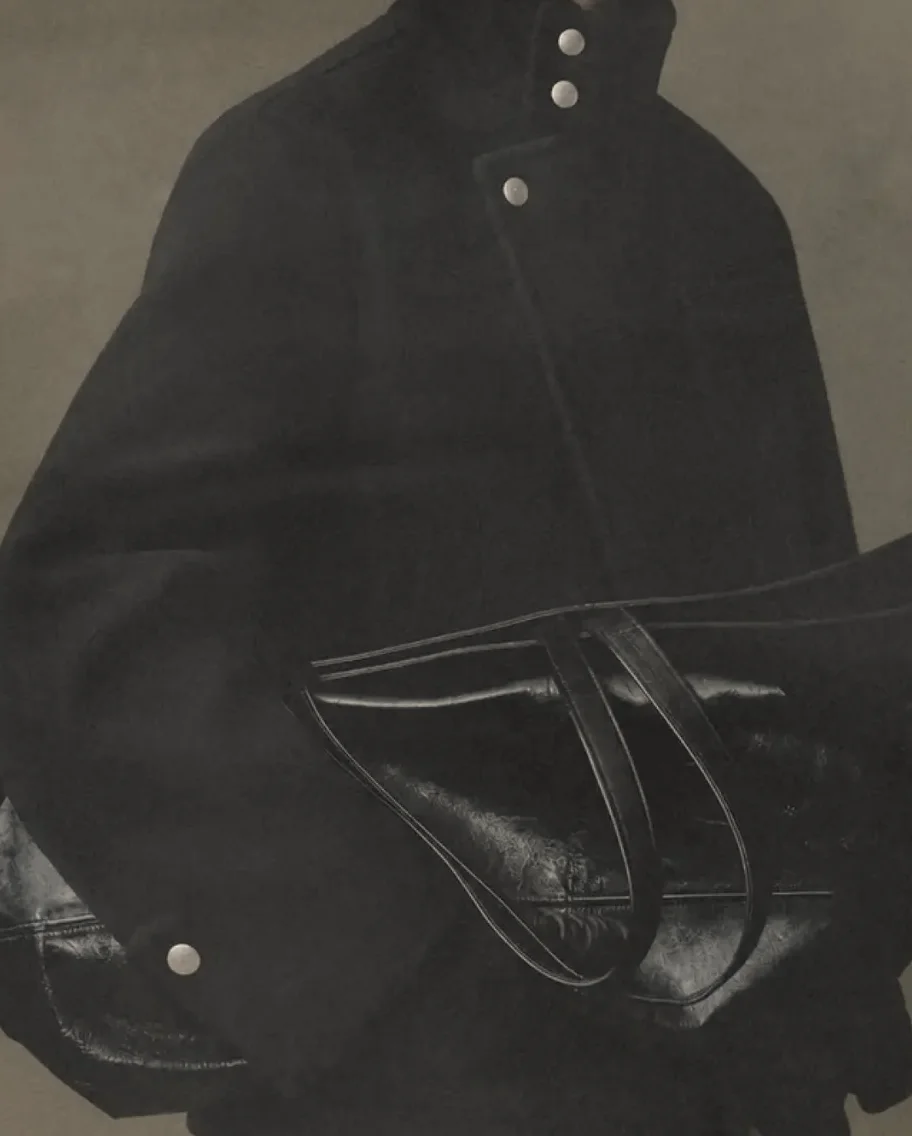
R/K2 in HLN: 500 visitors expected for R/K2://SOURCE in Kortrijk
HLN on R/K2://SOURCE: a runway show of the new winter collection at 4N20 in Kortrijk on 21 November 2026, with about 500 visitors expected.
05 / By Minh Tri Ha / 2 min read
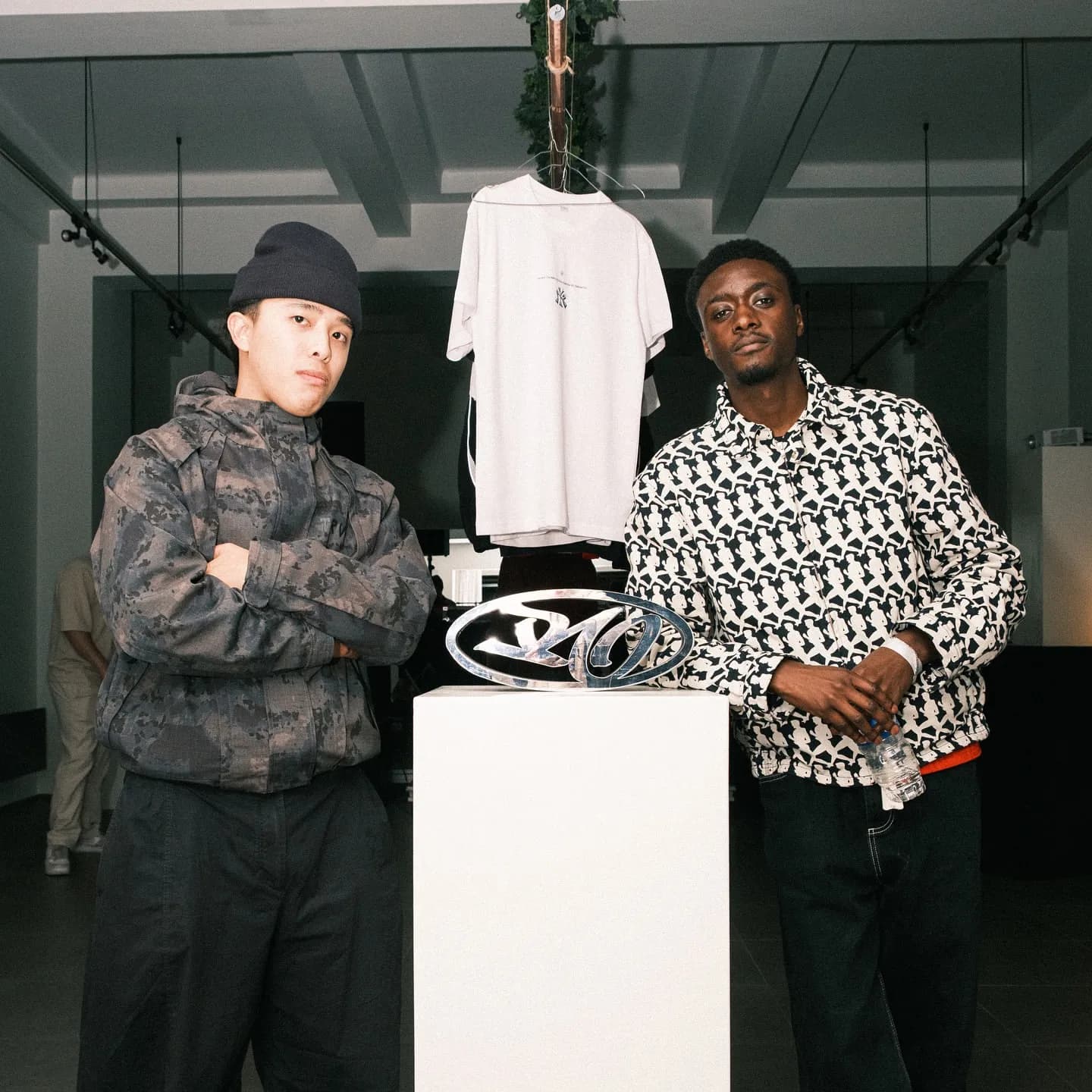
Exhibition 8500: the R/K2 launch at Wonder Festival in Kortrijk
On 16 October 2025 R/K2 launched with Exhibition 8500 at Wonder Festival in Kortrijk: more than 250 people, the short film Reflect To Grow, live music and DJs.
06 / By Minh Tri Ha / 2 min read
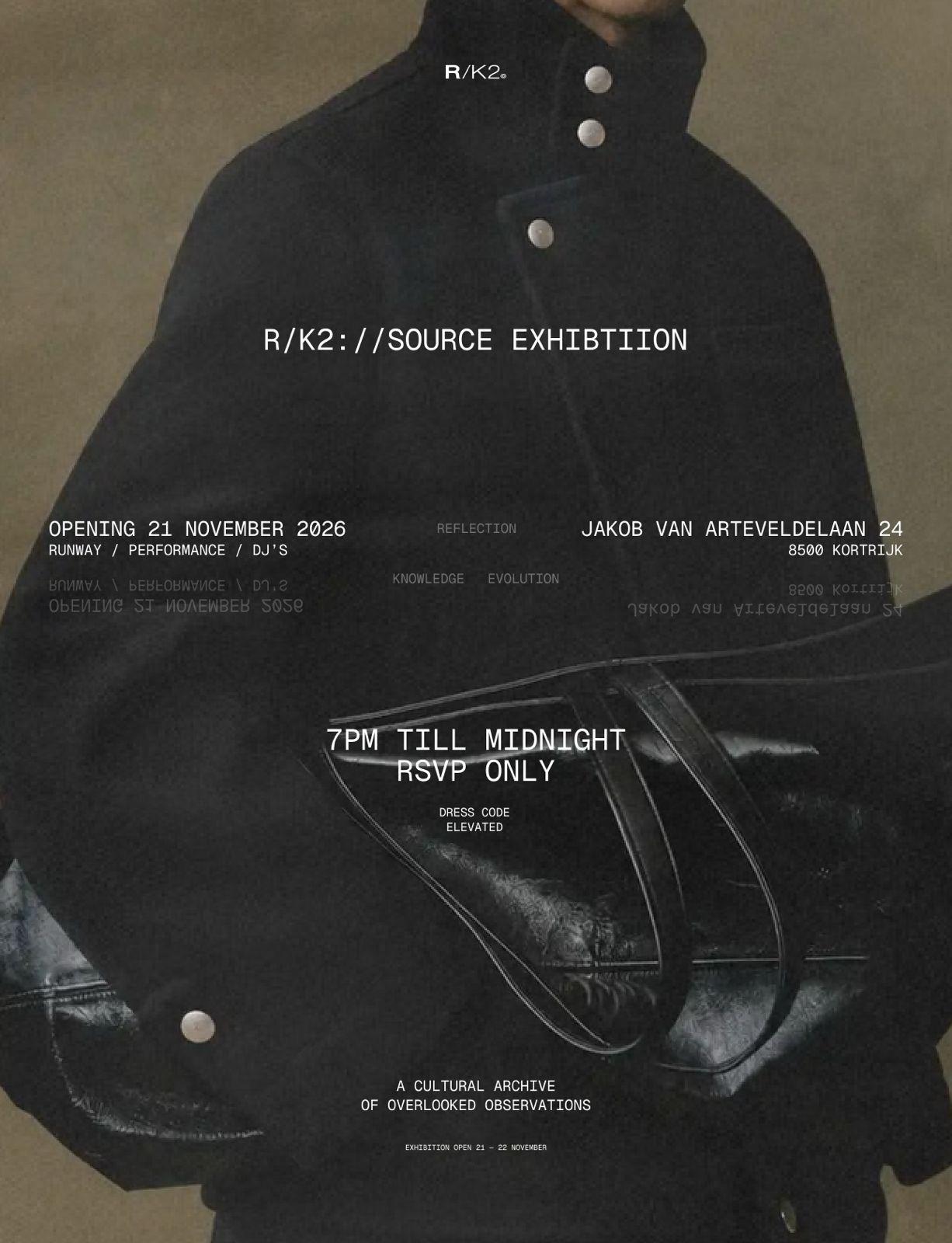
R/K2://SOURCE Exhibition: two days inside the archive in Kortrijk
R/K2://SOURCE is a two-day exhibition at 4N20 in Kortrijk on 21 and 22 November 2026: a runway presentation, live performance, DJs and the archive.
07 / By Minh Tri Ha / 3 min read
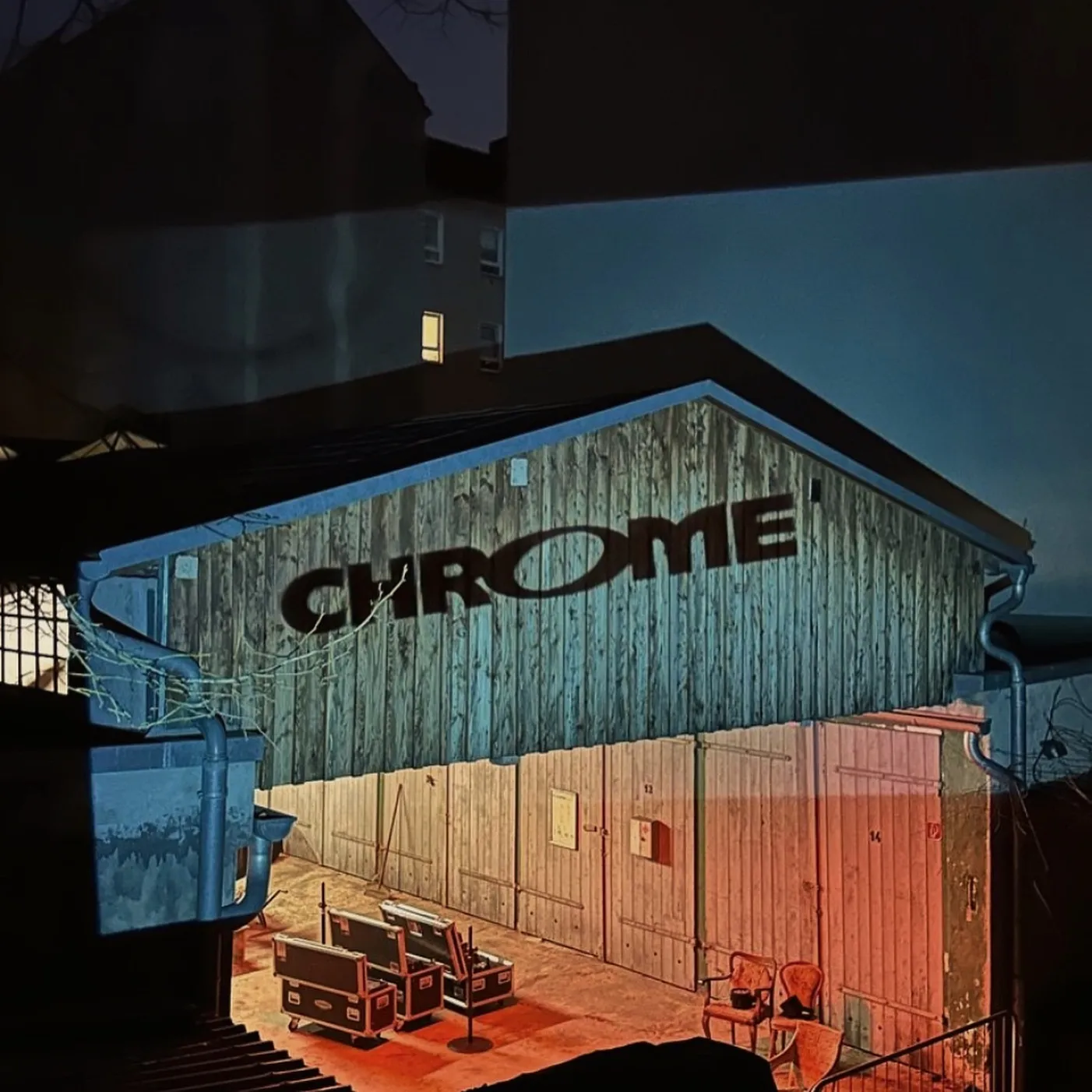
Four months at Chrome Mag Berlin: design, video and creative direction
Minh Tri Ha on his internship at Chrome Mag in Berlin: a magazine, a TV logo, shoots with OBEY, Mark Forster and Ski Aggu, and a first pop-up store.
08 / By Minh Tri Ha / 2 min read
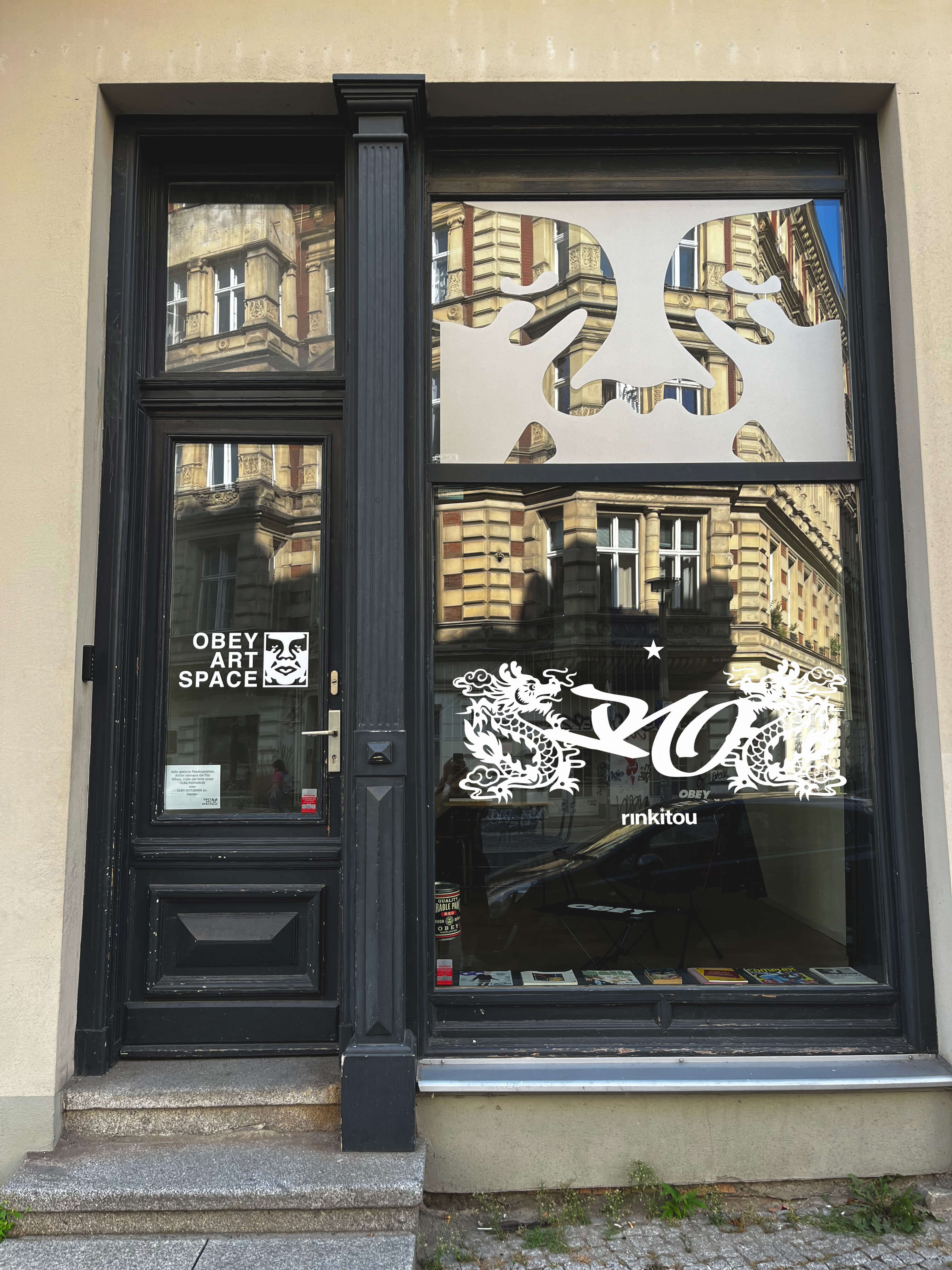
R/K2 x OBEY: a pop-up store at OBEY Art Space Berlin
How R/K2 opened its first pop-up store with OBEY Art Space in Berlin in 2024: a collaboration built around print.
09 / By Minh Tri Ha / 1 min read
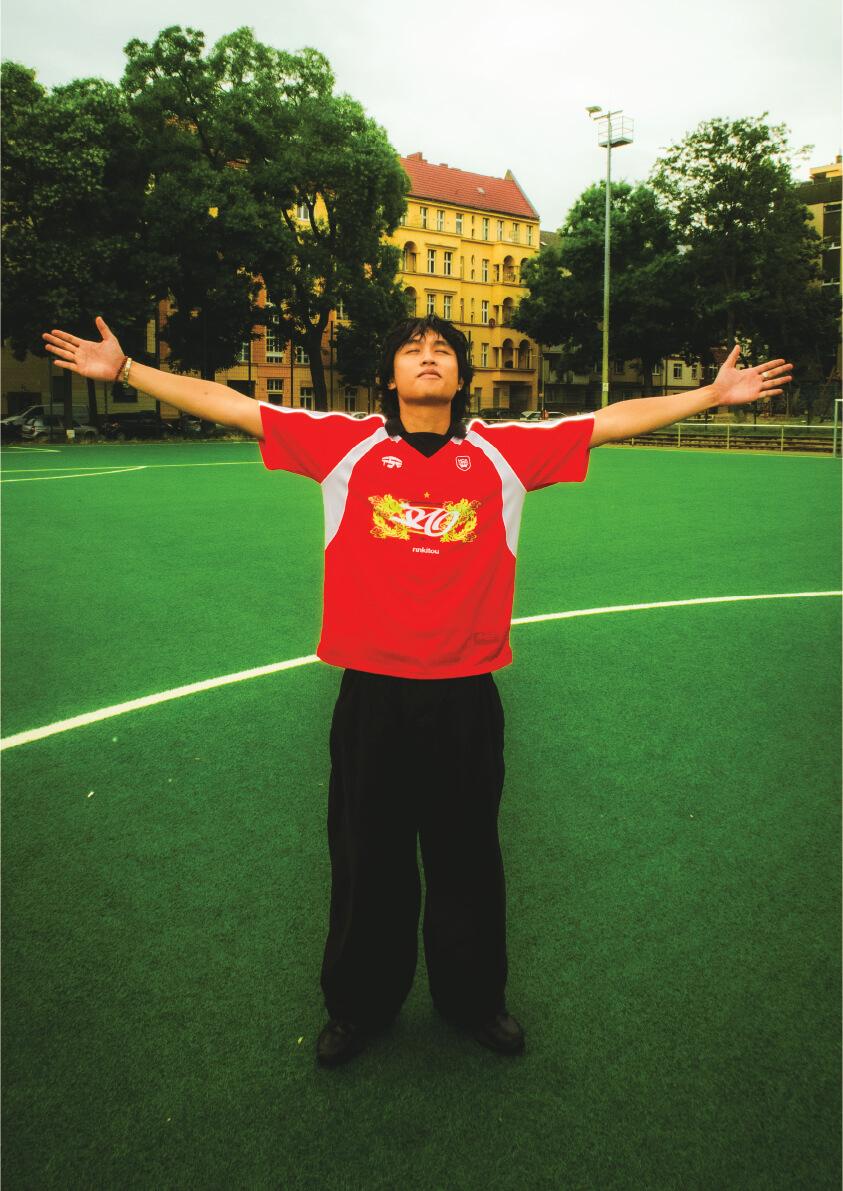
Capsule S24: the R/K2 jerseys, shot in Berlin
Capsule S24 was a run of red R/K2 football jerseys, made and shot in Berlin in the summer of 2024 together with young creatives and a giant football.

10 / By Minh Tri Ha / 3 min read
How R/K2 works as an archive: clothing, film, photography and objects
R/K2 is a fashion label that works as a cultural archive: how it documents the overlooked and turns it into clothing, film, photography and exhibitions.
11 / By Minh Tri Ha / 2 min read
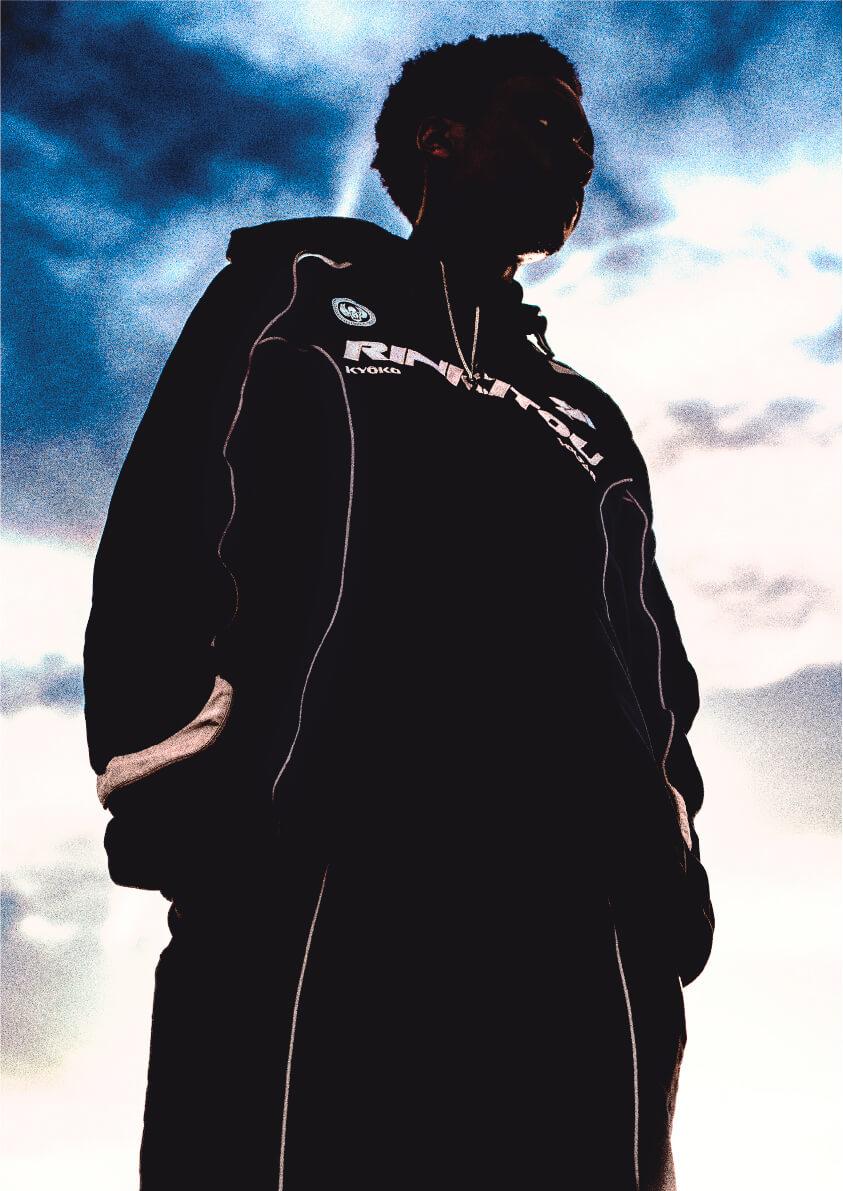
R/K2 in photography and film: shoots, short films and exhibitions
The photography and film work of R/K2, the fashion label from Kortrijk: the short film Reflect To Grow, Capsule S24 in Berlin, Tracksuit Chronicles and more.
12 / By Minh Tri Ha / 2 min read
R/K2 OS: the system I built behind the brand
R/K2 OS is the internal system Minh Tri Ha built for R/K2: collections, tech packs, production, shoots, fits, events and RSVPs in one place.
13 / By Minh Tri Ha / 3 min read
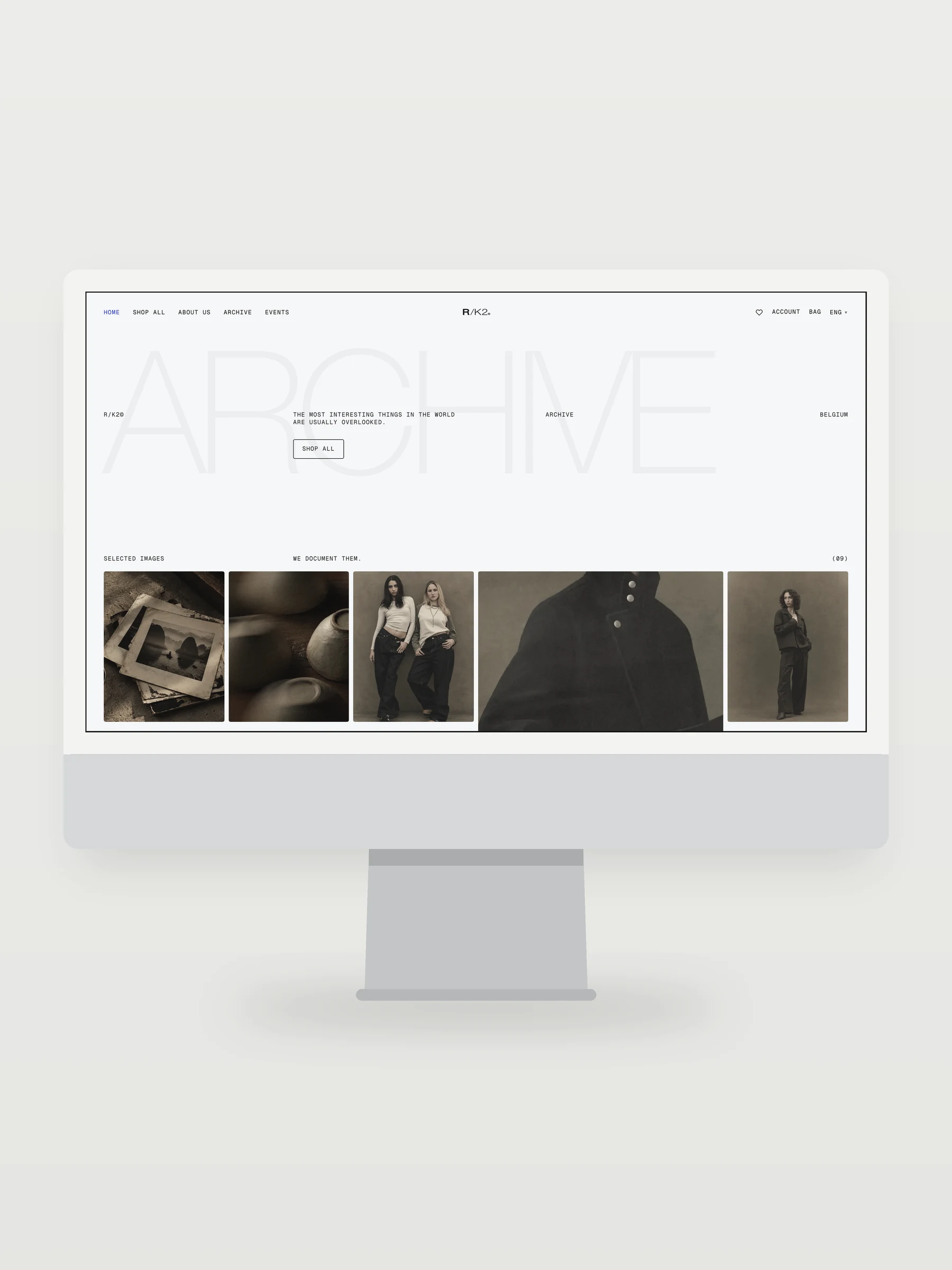
Building the R/K2 webshop: a headless Shopify store in Next.js
Why Minh Tri Ha built the R/K2 webshop himself as a headless store: Next.js on the front, Shopify as the backend, and what that gives the brand.
14 / By Minh Tri Ha / 6 min read
Belgian clothing brands: from the Antwerp Six to independent labels
Belgian clothing brands in one guide: the Antwerp Six, Margiela and Raf Simons, everyday labels, Delvaux and Natan, and independent minimal labels like R/K2.
15 / By Minh Tri Ha / 6 min read
Belgian menswear brands: 14 labels for men, and what to buy
Belgian menswear brands for men who buy to keep: designer labels, tailoring, everyday labels and independents, with a comparison table and fit notes.
16 / By Minh Tri Ha / 8 min read
Belgian fashion designers: from the Antwerp Six to now
A short guide to Belgian fashion designers: the Antwerp Six, Martin Margiela, Raf Simons and the generations after them, and why Belgium still matters.
17 / By Minh Tri Ha / 2 min read
Where R/K2 sits among minimal European labels
R/K2 next to Lemaire, Jil Sander, Ann Demeulemeester, Our Legacy, Han Kjøbenhavn and Arte Antwerp: founding year, city and what each label is known for.
18 / By Minh Tri Ha / 6 min read
Capsule wardrobe: the minimalist wardrobe essentials, piece by piece
How many pieces a capsule wardrobe needs, a checklist of minimalist wardrobe essentials, a neutral palette and cost per wear, in tables you can use.
19 / By Minh Tri Ha / 8 min read
How to choose a leather jacket: a complete buying guide
How to choose a leather jacket: lambskin vs cowhide, full grain vs genuine leather, fit, lining, hardware, price and ageing, with a checklist for the shop.
20 / By Minh Tri Ha / 7 min read
Heavyweight t-shirts: how to choose the GSM, cotton and fit
What is a good GSM for a t-shirt? A buying guide to heavyweight tees: weight table, combed vs carded cotton, collar, fit, shrinkage, drape and price.
21 / By Minh Tri Ha / 6 min read
Limited drops: how they work and how not to miss one
What a limited clothing drop is, why brands release in small runs, and practical steps to get the piece and size you want before it sells out.
22 / By Minh Tri Ha / 6 min read
How to care for a leather jacket: cleaning, rain and storage
How to clean, condition, dry and store a leather jacket so it lasts for years: what to do after rain, how often to condition and what never to do.


