Belgian fashion designers: from the Antwerp Six to now
The best-known Belgian fashion designers are the Antwerp Six (Walter Van Beirendonck, Ann Demeulemeester, Dries Van Noten, Dirk Van Saene, Dirk Bikkembergs and Marina Yee), Martin Margiela and Raf Simons, and most of them trained at the Royal Academy of Fine Arts in Antwerp. For a small country, Belgium has had an outsized say in how clothes look, and that story starts with a handful of students who refused to make clothes the way they were told to.
The Academy
The fashion department of the Royal Academy of Fine Arts in Antwerp is where most of the names in this guide studied. It has a reputation for being demanding: students are pushed to build a point of view of their own rather than to copy a house style. That habit of independent thinking runs through almost everything Belgian fashion is known for.
Brussels has its own school, La Cambre, which produced designers such as Olivier Theyskens. Between the two cities, Belgium has trained far more influential designers than its size would suggest.
The Academy itself is old: it was founded in 1663, which makes it one of the oldest art academies in Europe. The fashion department is much younger. It opened in the 1960s and grew into its reputation in the 1980s, when Linda Loppa led it and the first generation of its graduates began to show abroad.
The programme is known for being a full education in making a collection. Students design and produce a new collection every year, and the strongest work of each year is shown in a public end of year show that buyers, press and other designers follow closely. Many graduates leave with a body of work rather than a portfolio of sketches, and that is a large part of why so many of them start their own labels.
The Antwerp Six
In the early 1980s a group of Academy graduates started showing together: Walter Van Beirendonck, Ann Demeulemeester, Dries Van Noten, Dirk Van Saene, Dirk Bikkembergs and Marina Yee. In 1986 they travelled to London to present their work at the British Designer Show. The British press struggled with their Flemish names and called them the Antwerp Six, and the name stayed.
They were never one style, and they never tried to be. What they shared was the decision to build their own labels from Belgium instead of moving to Paris to work for someone else, and the confidence to show that work abroad on their own terms.
Several of those labels are still going, some under new ownership. Ann Demeulemeester stepped away from her label in 2013, and Dries Van Noten presented his last show in 2024. Their archives are now studied as closely as any Paris house.
The six, one by one
Walter Van Beirendonck is the most graphic of the group: colour, slogans, comic strip energy and an interest in the body and the future. In the 1990s he ran the label W.&L.T., and he became one of the most important teachers the Academy has had.
Ann Demeulemeester built a language of black and white, long lines, layered tailoring and a romantic, slightly undone edge, often linked to the poetry and music she admired. Her clothes are known for how they move and how they age.
Dries Van Noten came from a family that had sold and made clothes in Antwerp for generations. His work is about print, colour, texture and the mixing of fabrics, and his label was known for growing without advertising. Its home in Antwerp, Het Modepaleis, is still a reference for the city.
Dirk Bikkembergs made his name with menswear and boots, and later brought football and sport into fashion long before it was common.
Dirk Van Saene and Marina Yee kept a lower profile. Van Saene stayed close to the experimental side of the group. Yee stepped away from fashion for long periods and later returned with a small, personal body of work. Both are part of the story, even if their names come up less often.
Martin Margiela
Martin Margiela also studied at the Academy and is often named alongside the Six, although he went his own way. After working for Jean Paul Gaultier he founded Maison Martin Margiela in Paris in 1988 with Jenny Meirens.
Margiela made the construction of clothes visible: seams on the outside, linings turned out, garments taken apart and rebuilt. The label was a blank white tag held by four stitches, and the designer himself was almost never photographed. He left the house in 2009. Few designers have had a bigger influence on how people think about clothes, and on what is now called archive fashion.
Margiela's influence
Several ideas that are now ordinary in fashion were radical when Margiela introduced them. The Tabi boot, with its split toe, came from his first collection and is still made today. The Replica line reproduced found vintage garments and labelled them with their origin and date. The Artisanal pieces were made by hand from existing materials, long before upcycling had a name.
Just as important was what he left out: no face, no logo, a studio in white coats and a collective voice instead of a personality. That refusal of the star system is one reason his work became so important to collectors, and one reason Belgian fashion is associated with ideas rather than image.
The house continued after he left. In 2025 it named Glenn Martens, another graduate of the Antwerp Academy, as its creative director.
Raf Simons and the next wave
Raf Simons did not study fashion. He trained in industrial design, then launched his menswear label in 1995. His early collections took their references from youth culture, music and the uniforms of teenagers, and gave them the cut and seriousness of a runway. That combination is one of the roots of the way luxury and youth culture later met.
Simons went on to lead Jil Sander, Dior and Calvin Klein, and since 2020 has been co-creative director of Prada with Miuccia Prada. He closed his own label in 2022. His old pieces are among the most sought after in the archive market today.
Around and after him came designers such as Veronique Branquinho, Kris Van Assche, Haider Ackermann and A.F. Vandevorst. Each took something from the Antwerp habit of independence and made it their own.
Demna also studied at the Academy in Antwerp. With Vetements and later Balenciaga, he became one of the most influential designers of his generation, and he carried some of that Antwerp habit of taking everyday clothes seriously onto the largest stages in fashion.
What Belgian fashion has in common
It is hard to name one Belgian style, and that is the point. What the designers share is an attitude: a focus on cut and construction over logos, a willingness to work outside the big fashion capitals, and a long view of clothes. Pieces are made to be worn for years, not for one season.
You can see the history in Antwerp itself. MoMu, the fashion museum in the city, opened in 2002 and shows how much of this story was written a few streets away from where it is kept.
What this means when you buy
The Belgian tradition gives you a useful way to look at any piece, from a designer coat to a t-shirt. Look at the cut before the logo: how the shoulder sits, where the seams fall, how the hem finishes. Feel the fabric and ask what it is and how heavy it is. Read the care label, because it tells you how the maker expects the piece to be treated.
Then think in years rather than seasons. A piece made in this spirit should still look right when the trend it seemed to belong to has passed. If you want help with the fabric side of that, our care guide for heavyweight cotton explains what to look for and how to keep it.
Where R/K2 fits
R/K2 is an independent label from Belgium, founded in 2022. We are not part of that history and do not claim to be. But we work from the same habits it left behind: a focus on fabric and construction, small runs, and pieces that are meant to last. You can read more about R/K2 or see the current pieces in the shop.
If you want to go further into the subject, start with how R/K2 compares to minimal European labels and the piece on what archive fashion means.
Articles
Questions
The Antwerp Six are six designers who studied at the Royal Academy of Fine Arts in Antwerp and showed together in London in 1986: Walter Van Beirendonck, Ann Demeulemeester, Dries Van Noten, Dirk Van Saene, Dirk Bikkembergs and Marina Yee. The British press gave them the name because their Flemish names were hard to pronounce.
Pieces in this article


01 / By Minh Tri Ha / 2 min read
Where R/K2 sits among minimal European labels
R/K2 next to Lemaire, Jil Sander, Ann Demeulemeester, Our Legacy, Han Kjøbenhavn and Arte Antwerp: founding year, city and what each label is known for.
02 / By Minh Tri Ha / 6 min read
What is archive fashion? A clear guide
What archive fashion means, how it differs from vintage, why provenance matters and how to start collecting archive pieces without overpaying.
03 / By Peter Lanssens, HLN / 2 min read
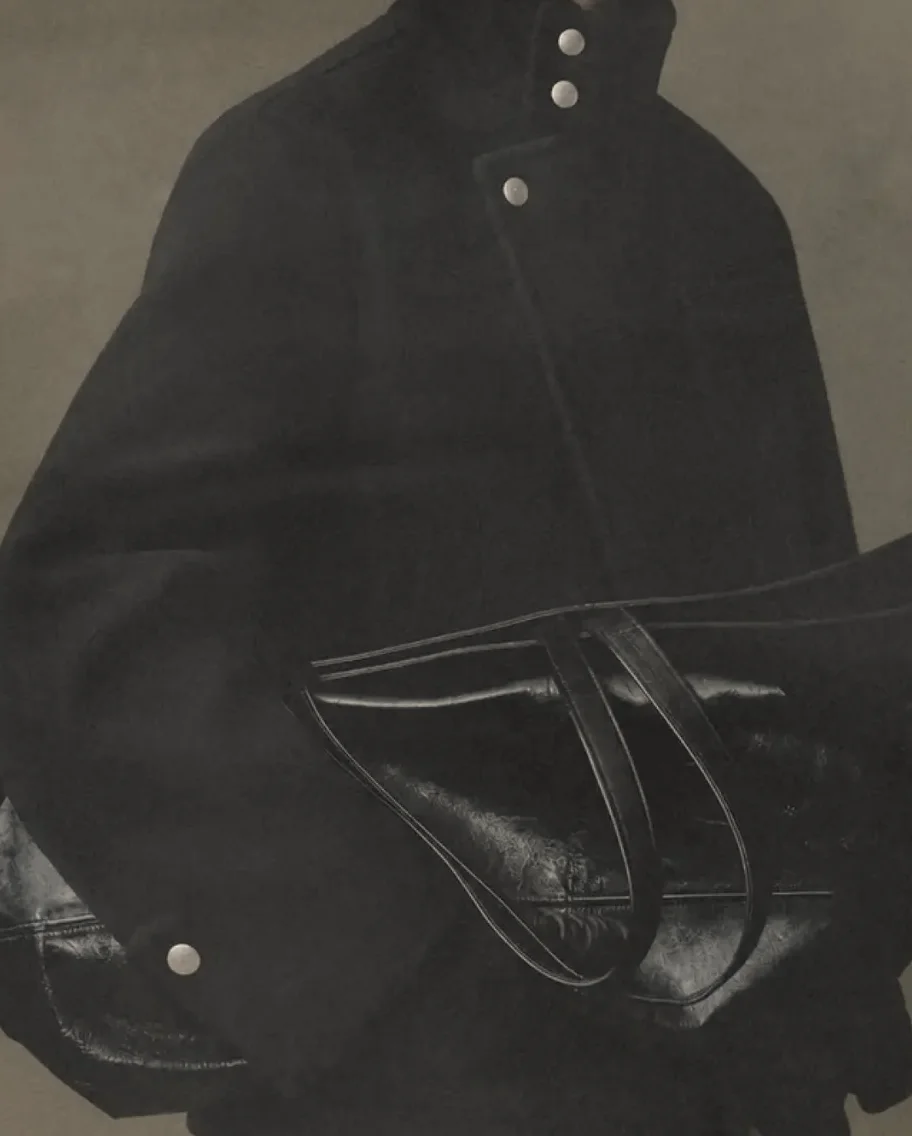
R/K2 in HLN: 500 visitors expected for R/K2://SOURCE in Kortrijk
HLN on R/K2://SOURCE: a runway show of the new winter collection at 4N20 in Kortrijk on 21 November 2026, with about 500 visitors expected.
04 / By Minh Tri Ha / 2 min read
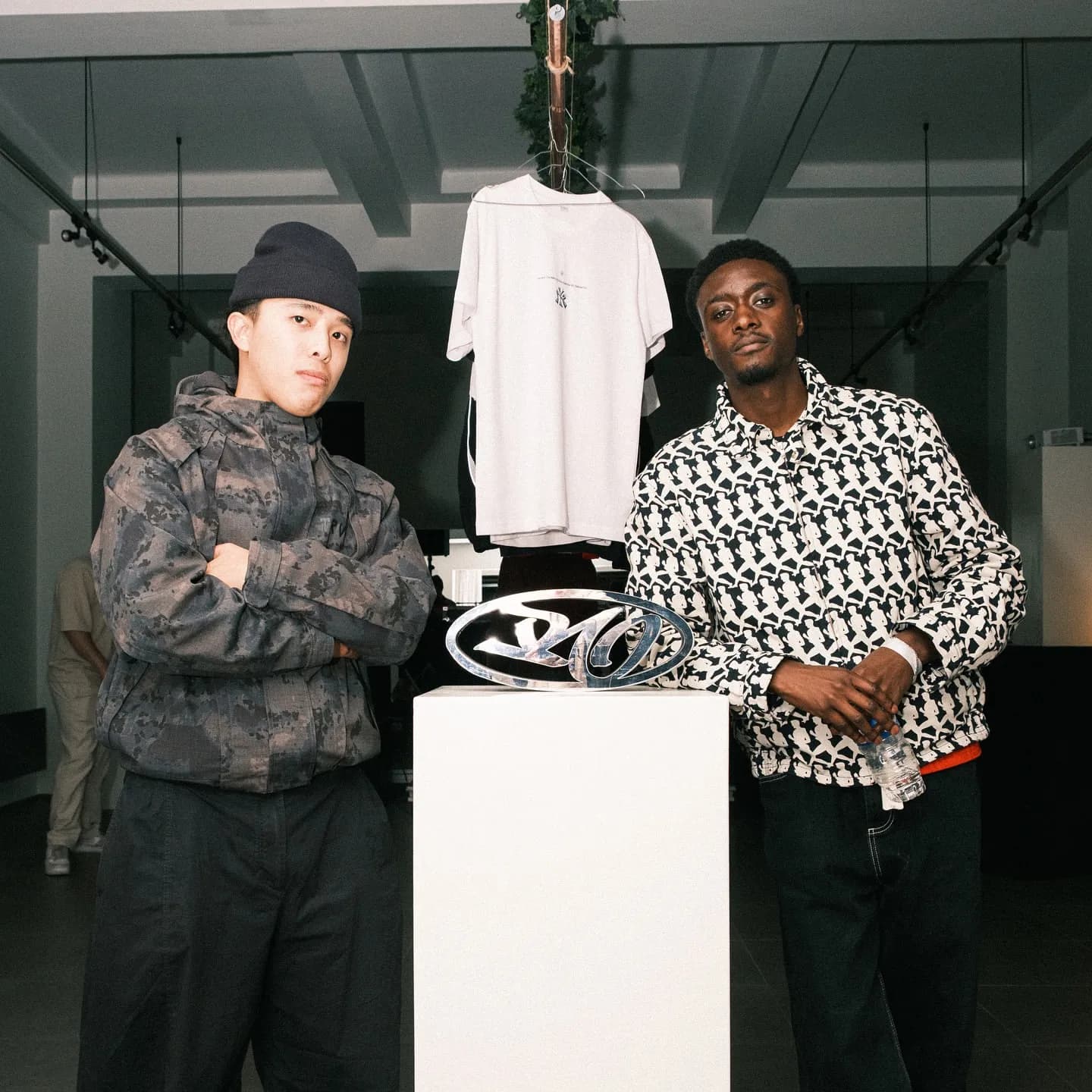
Exhibition 8500: the R/K2 launch at Wonder Festival in Kortrijk
On 16 October 2025 R/K2 launched with Exhibition 8500 at Wonder Festival in Kortrijk: more than 250 people, the short film Reflect To Grow, live music and DJs.
05 / By Minh Tri Ha / 2 min read
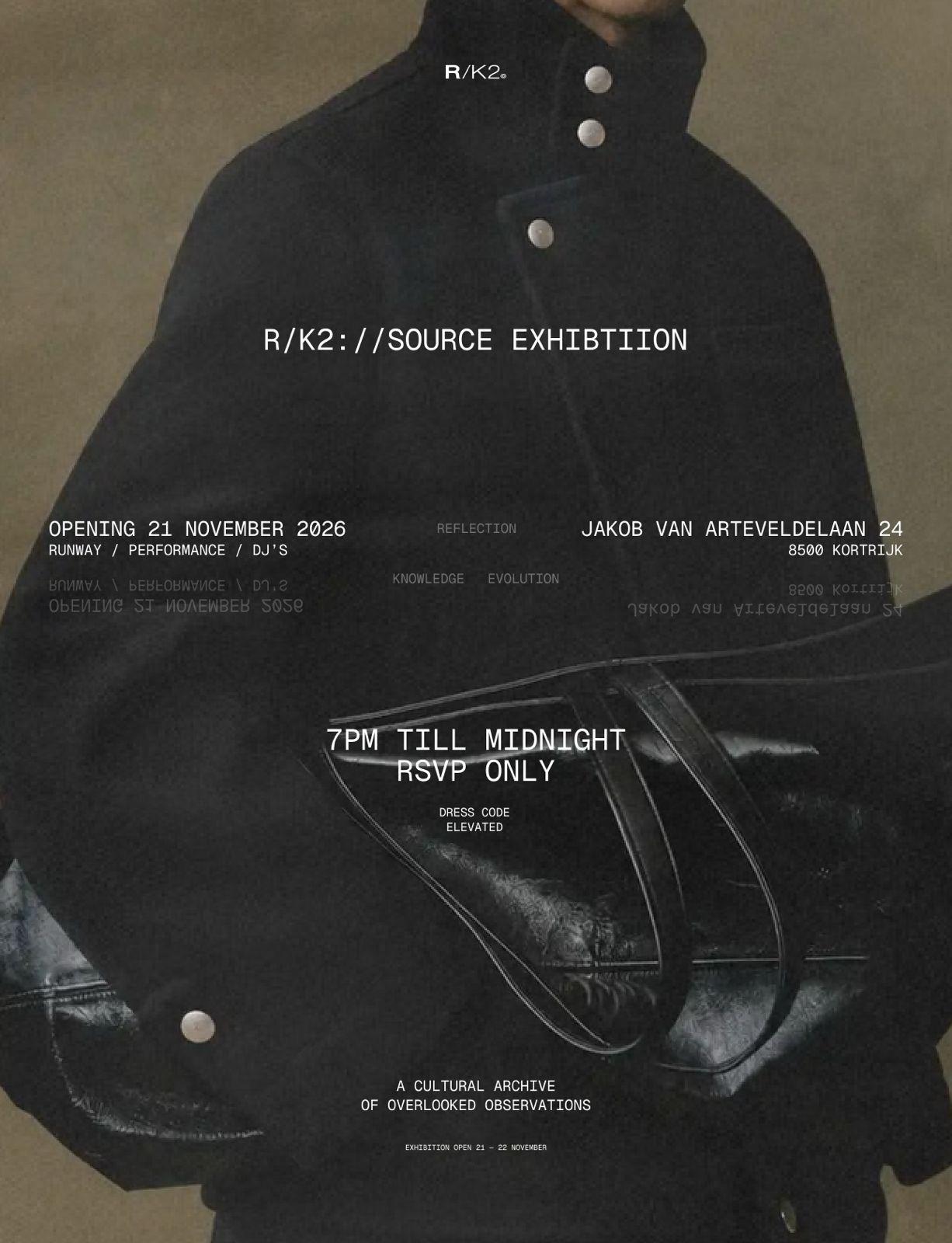
R/K2://SOURCE Exhibition: two days inside the archive in Kortrijk
R/K2://SOURCE is a two-day exhibition at 4N20 in Kortrijk on 21 and 22 November 2026: a runway presentation, live performance, DJs and the archive.
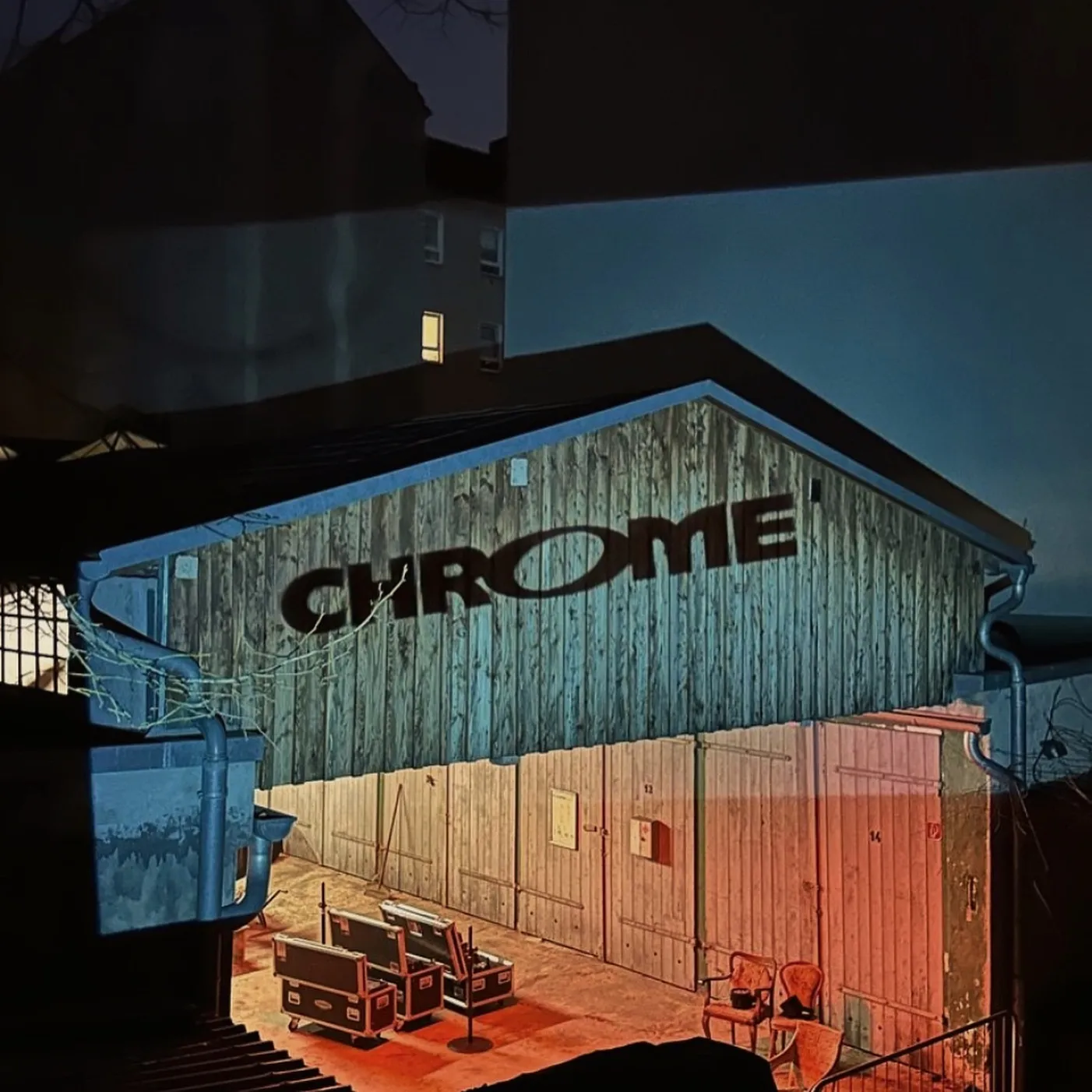
06 / By Minh Tri Ha / 3 min read
Four months at Chrome Mag Berlin: design, video and creative direction
Minh Tri Ha on his internship at Chrome Mag in Berlin: a magazine, a TV logo, shoots with OBEY, Mark Forster and Ski Aggu, and a first pop-up store.
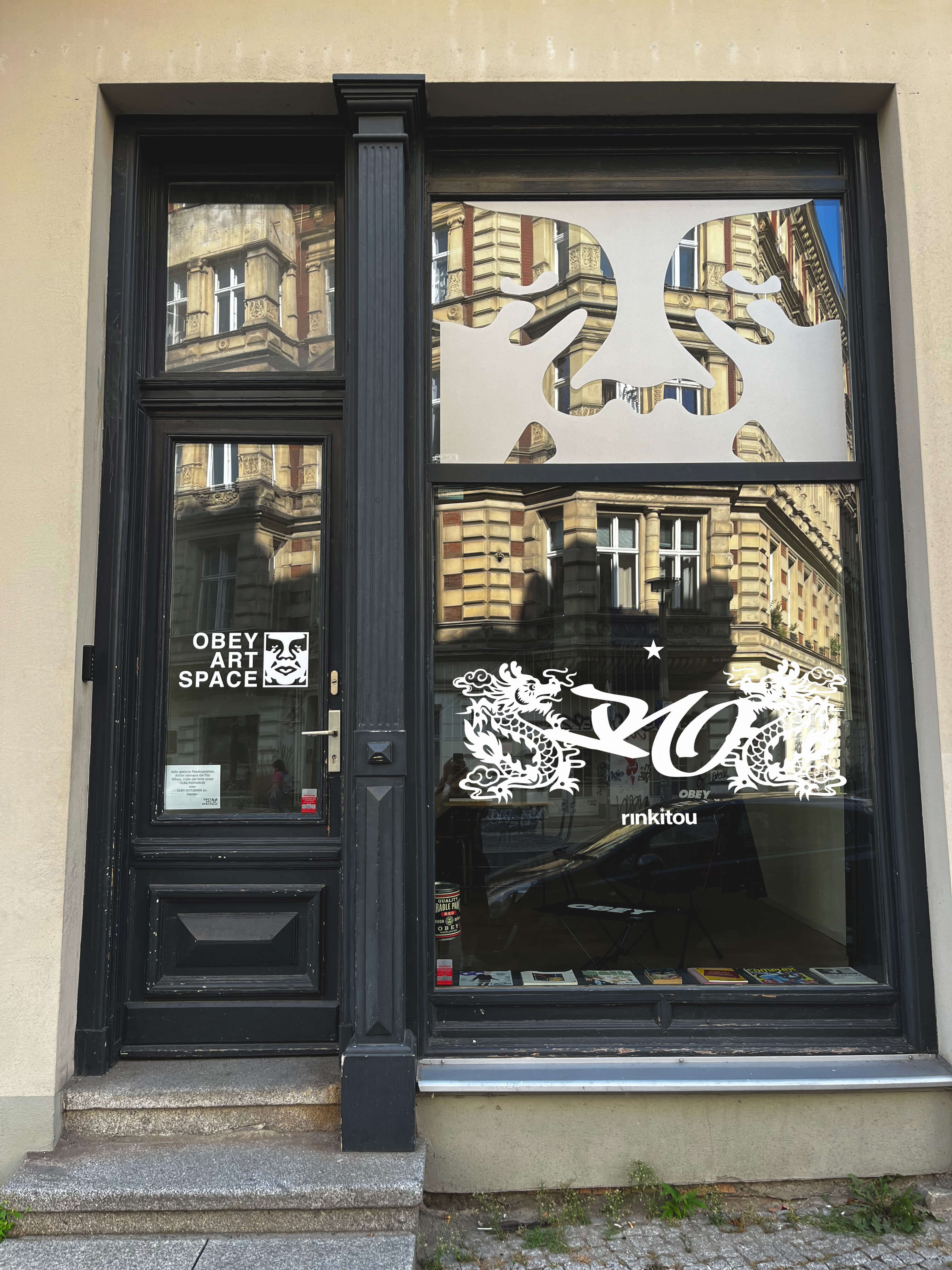
07 / By Minh Tri Ha / 2 min read
R/K2 x OBEY: a pop-up store at OBEY Art Space Berlin
How R/K2 opened its first pop-up store with OBEY Art Space in Berlin in 2024: a collaboration built around print.
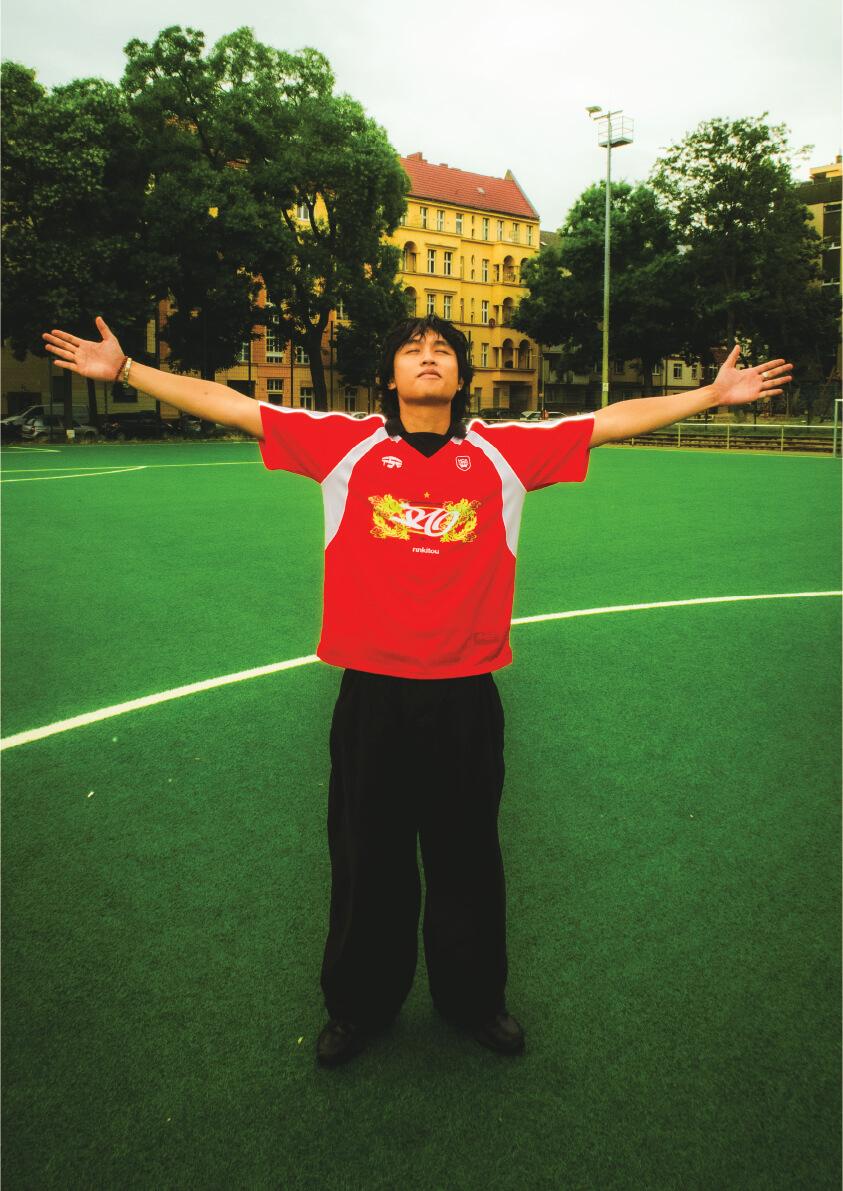
08 / By Minh Tri Ha / 1 min read
Capsule S24: the R/K2 jerseys, shot in Berlin
Capsule S24 was a run of red R/K2 football jerseys, made and shot in Berlin in the summer of 2024 together with young creatives and a giant football.
09 / By Minh Tri Ha / 3 min read
How R/K2 works as an archive: clothing, film, photography and objects
R/K2 is a fashion label that works as a cultural archive: how it documents the overlooked and turns it into clothing, film, photography and exhibitions.
10 / By Minh Tri Ha / 2 min read
R/K2 in photography and film: shoots, short films and exhibitions
The photography and film work of R/K2, the fashion label from Kortrijk: the short film Reflect To Grow, Capsule S24 in Berlin, Tracksuit Chronicles and more.

11 / By Minh Tri Ha / 2 min read
R/K2 OS: the system I built behind the brand
R/K2 OS is the internal system Minh Tri Ha built for R/K2: collections, tech packs, production, shoots, fits, events and RSVPs in one place.
12 / By Minh Tri Ha / 3 min read
Building the R/K2 webshop: a headless Shopify store in Next.js
Why Minh Tri Ha built the R/K2 webshop himself as a headless store: Next.js on the front, Shopify as the backend, and what that gives the brand.
13 / By Minh Tri Ha / 6 min read
Belgian clothing brands: from the Antwerp Six to independent labels
Belgian clothing brands in one guide: the Antwerp Six, Margiela and Raf Simons, everyday labels, Delvaux and Natan, and independent minimal labels like R/K2.
14 / By Minh Tri Ha / 6 min read
Belgian menswear brands: 14 labels for men, and what to buy
Belgian menswear brands for men who buy to keep: designer labels, tailoring, everyday labels and independents, with a comparison table and fit notes.
15 / By Minh Tri Ha / 6 min read
Capsule wardrobe: the minimalist wardrobe essentials, piece by piece
How many pieces a capsule wardrobe needs, a checklist of minimalist wardrobe essentials, a neutral palette and cost per wear, in tables you can use.
16 / By Minh Tri Ha / 8 min read
How to choose a leather jacket: a complete buying guide
How to choose a leather jacket: lambskin vs cowhide, full grain vs genuine leather, fit, lining, hardware, price and ageing, with a checklist for the shop.
17 / By Minh Tri Ha / 8 min read
Japanese denim vs regular denim: the difference, and is it worth it?
Japanese denim vs regular denim: shuttle looms, selvedge, rope dyeing, slub yarns, weight in oz, raw or washed, fades, price and how to choose a fit.
18 / By Minh Tri Ha / 7 min read
Heavyweight t-shirts: how to choose the GSM, cotton and fit
What is a good GSM for a t-shirt? A buying guide to heavyweight tees: weight table, combed vs carded cotton, collar, fit, shrinkage, drape and price.
19 / By Minh Tri Ha / 6 min read
Limited drops: how they work and how not to miss one
What a limited clothing drop is, why brands release in small runs, and practical steps to get the piece and size you want before it sells out.
20 / By Minh Tri Ha / 6 min read
How to wash and care for heavyweight cotton and rib knits
What gsm means and how to wash, dry and store heavyweight cotton t-shirts and rib knits so they keep their shape, colour and fit for years.
21 / By Minh Tri Ha / 6 min read
How to care for a leather jacket: cleaning, rain and storage
How to clean, condition, dry and store a leather jacket so it lasts for years: what to do after rain, how often to condition and what never to do.
22 / By Minh Tri Ha / 5 min read
How to wash and care for Japanese denim
How to wash Japanese and selvedge denim: how often, at what temperature, how to dry it, how to handle shrinkage and indigo transfer, and how to store it.


