How to care for a leather jacket: cleaning, rain and storage
To care for a leather jacket, wipe it with a soft dry cloth after wear, let it dry slowly at room temperature if it gets wet, condition it a few times a year and store it on a broad hanger in a cool, dry place. Leather is a natural material that rewards a little attention. This guide covers the routine in detail, and the few mistakes that do real damage.
Know your leather first
Not all leather behaves the same way. Smooth leathers with an open surface, such as full-grain leather, absorb conditioner well and develop a patina over time. Leathers with a heavier coating or pigment finish are more resistant to stains and water, but change much less. Suede and nubuck have a brushed surface and need their own products and a brush, not cream.
The type of hide matters too. Lambskin is thin and soft and marks easily; cowhide is thicker and tougher. If you are not sure what you have, read the label or ask the maker, and test every product on a hidden spot such as the inside of the hem first.
Everyday care
Most of what keeps a leather jacket in good shape happens without any product at all. After wearing it, give it a moment on a hanger before you put it away, so any moisture from the body or the weather can evaporate.
Dust and light dirt come off with a soft, dry cloth. For a mark, use a cloth that is only slightly damp, wipe gently and let the area dry on its own. Avoid household cleaners, alcohol, wet wipes and anything with solvents: they strip the natural oils from the leather and can leave pale patches.
Rotate if you can. A jacket that rests between wears keeps its shape better, and the leather has time to recover from creasing.
When it gets wet
Rain will not ruin a good leather jacket, but heat while drying can. If it gets wet, blot the surface with a towel without rubbing, then hang it on a broad hanger at room temperature, away from radiators, heaters, hair dryers and direct sun. Let it dry slowly, even if that takes a day.
Once it is completely dry, the leather may feel a little stiff. A thin layer of conditioner usually brings the suppleness back. If water has left visible marks on a smooth leather, lightly dampening the whole panel evenly and letting it dry again often blends the edge away; for anything stubborn, ask a leather specialist.
Conditioning
Leather contains oils that keep it flexible. Over time, wear, sun and dry indoor air draw them out, and leather that dries out can stiffen and crack. A conditioner replaces some of what is lost.
For a jacket worn regularly, conditioning two to four times a year is usually enough. Clean the surface first, apply a small amount of conditioner with a soft cloth in thin, even layers, let it absorb and buff off any excess. More is not better: too much conditioner can darken the leather, make it sticky and attract dirt.
Use a product made for the type of leather you have, and always test it on a hidden spot first. A leather protector spray can add some resistance to rain and stains on smooth leathers; apply it to a clean jacket and let it dry fully before wearing.
Stains, scuffs and creases
Light scuffs on smooth leather often fade when you rub them gently with a clean finger or a little conditioner. Deeper scratches and colour loss are better left to a professional who can recolour the area.
Oil and grease stains should be blotted straight away, never rubbed in. Ink, wine and anything that has set are also jobs for a specialist; home remedies tend to spread a stain or lighten the leather around it.
Creases from wear are part of a leather jacket and soften over time. Creases from storage usually drop out when the jacket hangs for a few days. Never iron leather, and do not try to steam it close up.
Ribbed cuffs, linings and hardware
Many leather jackets have knitted rib at the cuffs and hem, a lining and metal zips or snaps. These parts need their own care. Brush lint from rib knit and spot clean it with a damp cloth; never put the jacket in water to wash it.
Linings take up sweat. Airing the jacket inside out now and then keeps it fresh. Keep zips running smoothly by closing them before you hang the jacket, so the weight is spread evenly and the teeth do not pull on the leather.
Storing a leather jacket
Hang it on a broad, shaped hanger that supports the shoulders; a thin wire hanger leaves marks and lets the shoulders sag. Close the zip or a few buttons so the front keeps its shape.
Store it in a cool, dry place with some air around it, out of direct sunlight, which fades and dries leather. If you use a cover, choose breathable cotton, never plastic, which traps moisture and can lead to mould. Before putting a jacket away for a season, clean it and condition it lightly.
What never to do
Do not machine wash or soak a leather jacket. Do not tumble dry it or dry it on a radiator. Do not use household cleaners, bleach or alcohol on it. Do not store it folded under heavy items or in a plastic bag. Avoid all of these and a well made leather jacket can be worn for many years.
See the leather pieces in the jackets section of the shop, or read our Japanese denim care guide for the other half of the wardrobe.
Articles
Questions
No. Water, detergent and agitation strip the oils from leather and can shrink, stiffen or crack it. Clean a leather jacket with a soft cloth and take serious stains to a leather specialist.
Pieces in this article

01 / By Minh Tri Ha / 8 min read
How to choose a leather jacket: a complete buying guide
How to choose a leather jacket: lambskin vs cowhide, full grain vs genuine leather, fit, lining, hardware, price and ageing, with a checklist for the shop.
02 / By Minh Tri Ha / 5 min read
How to wash and care for Japanese denim
How to wash Japanese and selvedge denim: how often, at what temperature, how to dry it, how to handle shrinkage and indigo transfer, and how to store it.
03 / By Minh Tri Ha / 6 min read
How to wash and care for heavyweight cotton and rib knits
What gsm means and how to wash, dry and store heavyweight cotton t-shirts and rib knits so they keep their shape, colour and fit for years.
04 / By Peter Lanssens, HLN / 2 min read
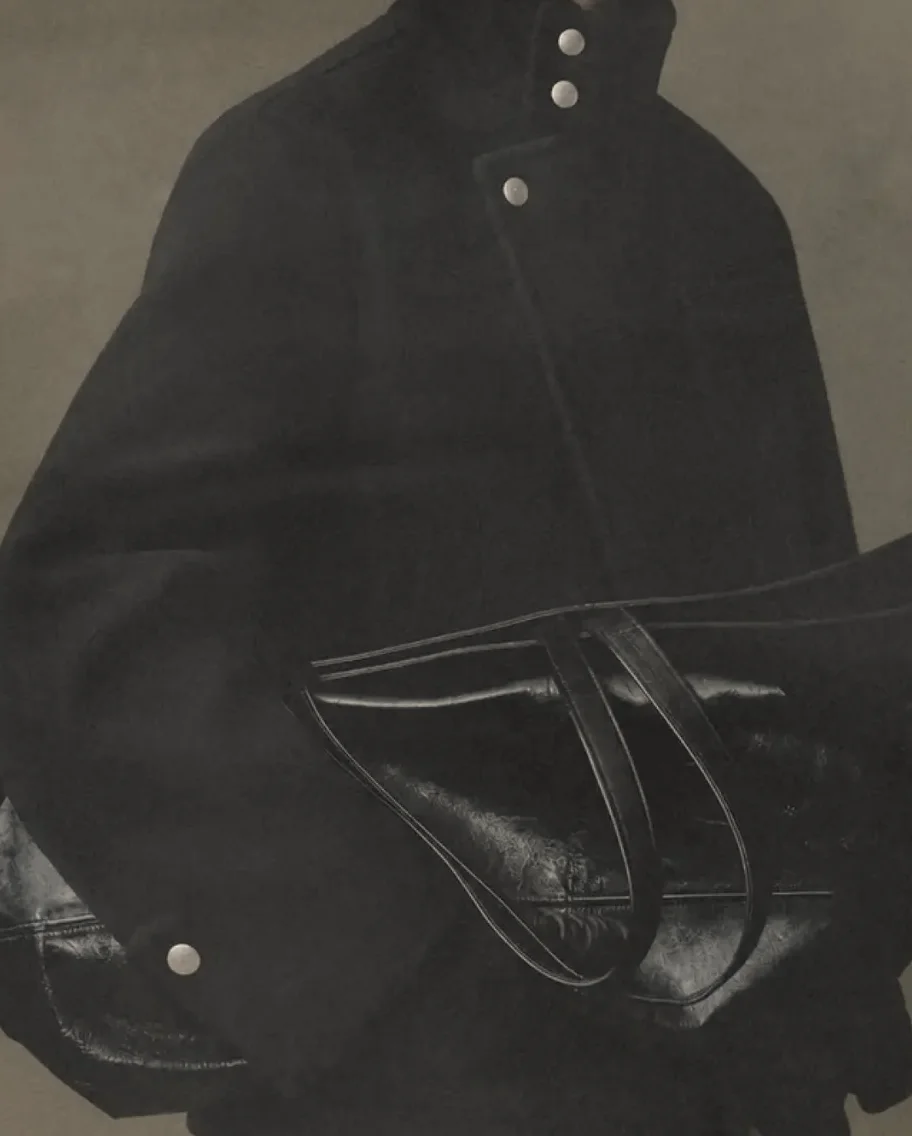
R/K2 in HLN: 500 visitors expected for R/K2://SOURCE in Kortrijk
HLN on R/K2://SOURCE: a runway show of the new winter collection at 4N20 in Kortrijk on 21 November 2026, with about 500 visitors expected.
05 / By Minh Tri Ha / 2 min read
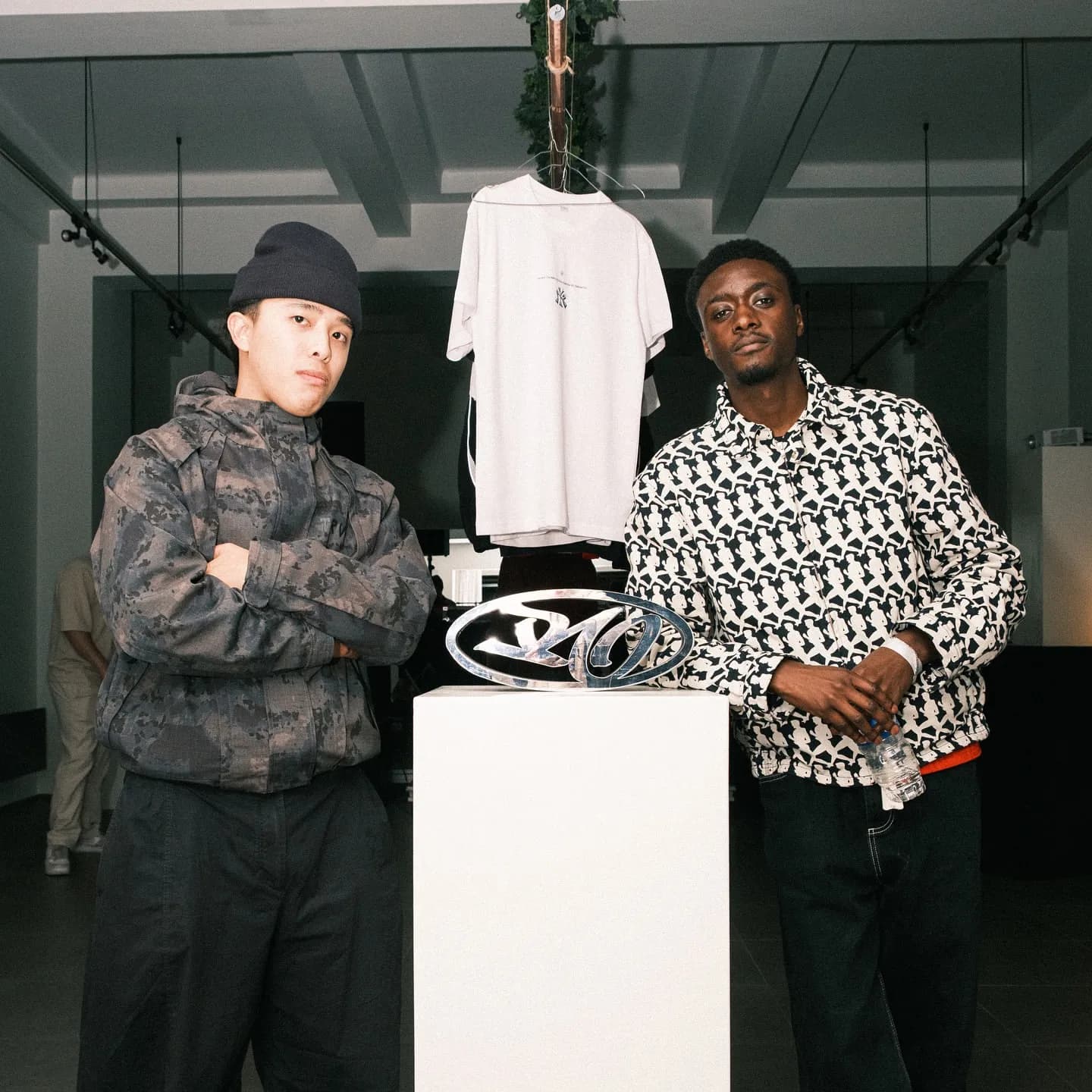
Exhibition 8500: the R/K2 launch at Wonder Festival in Kortrijk
On 16 October 2025 R/K2 launched with Exhibition 8500 at Wonder Festival in Kortrijk: more than 250 people, the short film Reflect To Grow, live music and DJs.
06 / By Minh Tri Ha / 2 min read
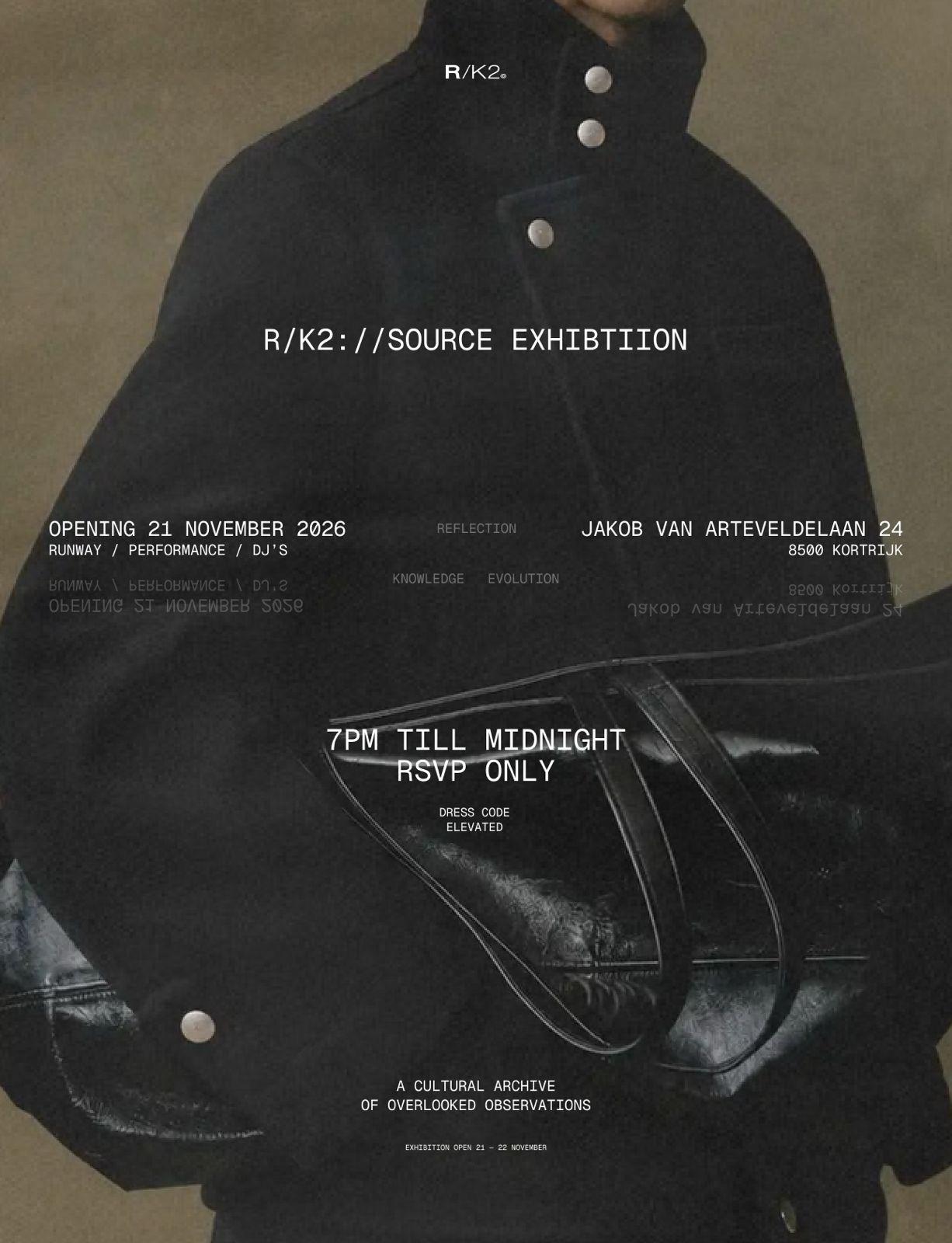
R/K2://SOURCE Exhibition: two days inside the archive in Kortrijk
R/K2://SOURCE is a two-day exhibition at 4N20 in Kortrijk on 21 and 22 November 2026: a runway presentation, live performance, DJs and the archive.
07 / By Minh Tri Ha / 3 min read
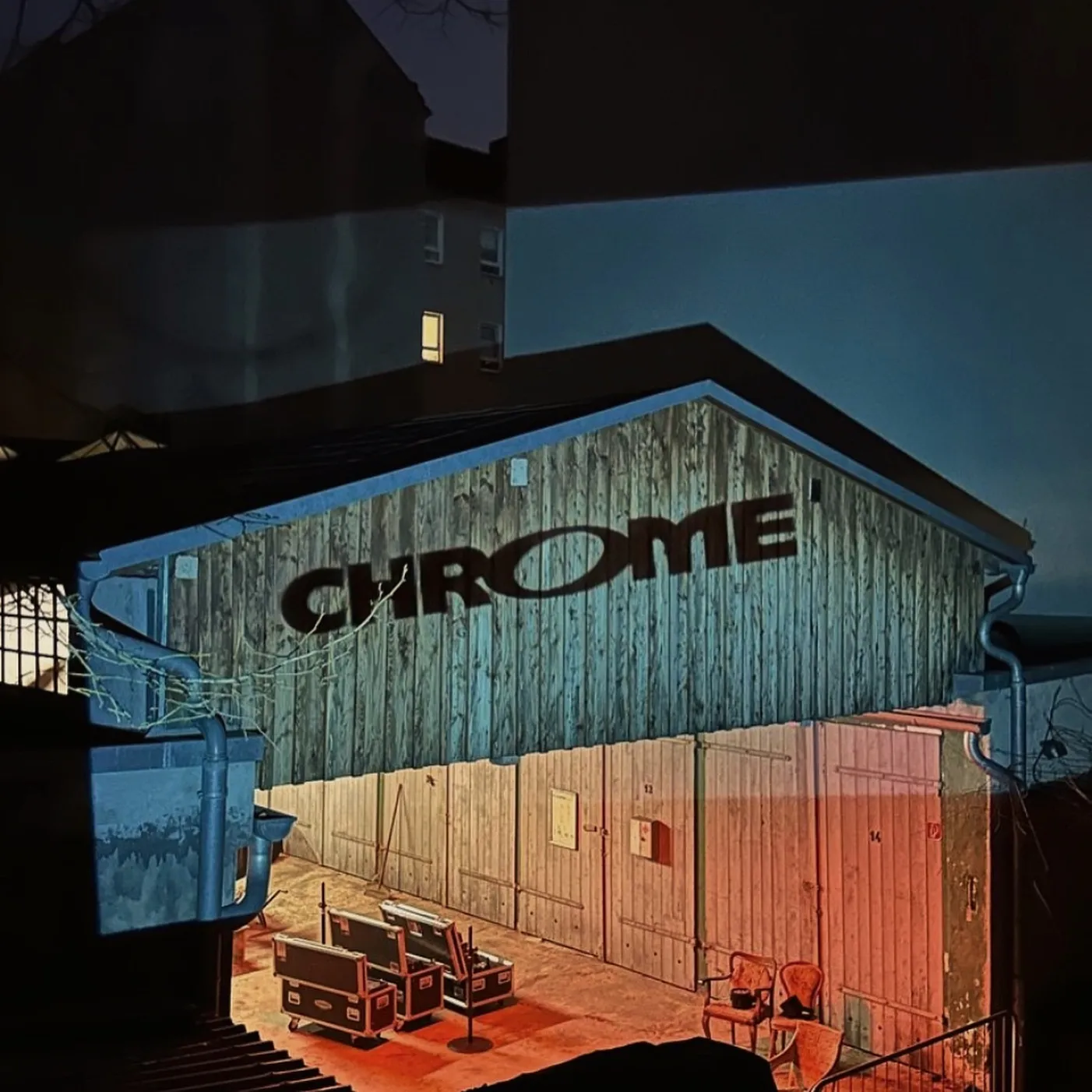
Four months at Chrome Mag Berlin: design, video and creative direction
Minh Tri Ha on his internship at Chrome Mag in Berlin: a magazine, a TV logo, shoots with OBEY, Mark Forster and Ski Aggu, and a first pop-up store.
08 / By Minh Tri Ha / 2 min read
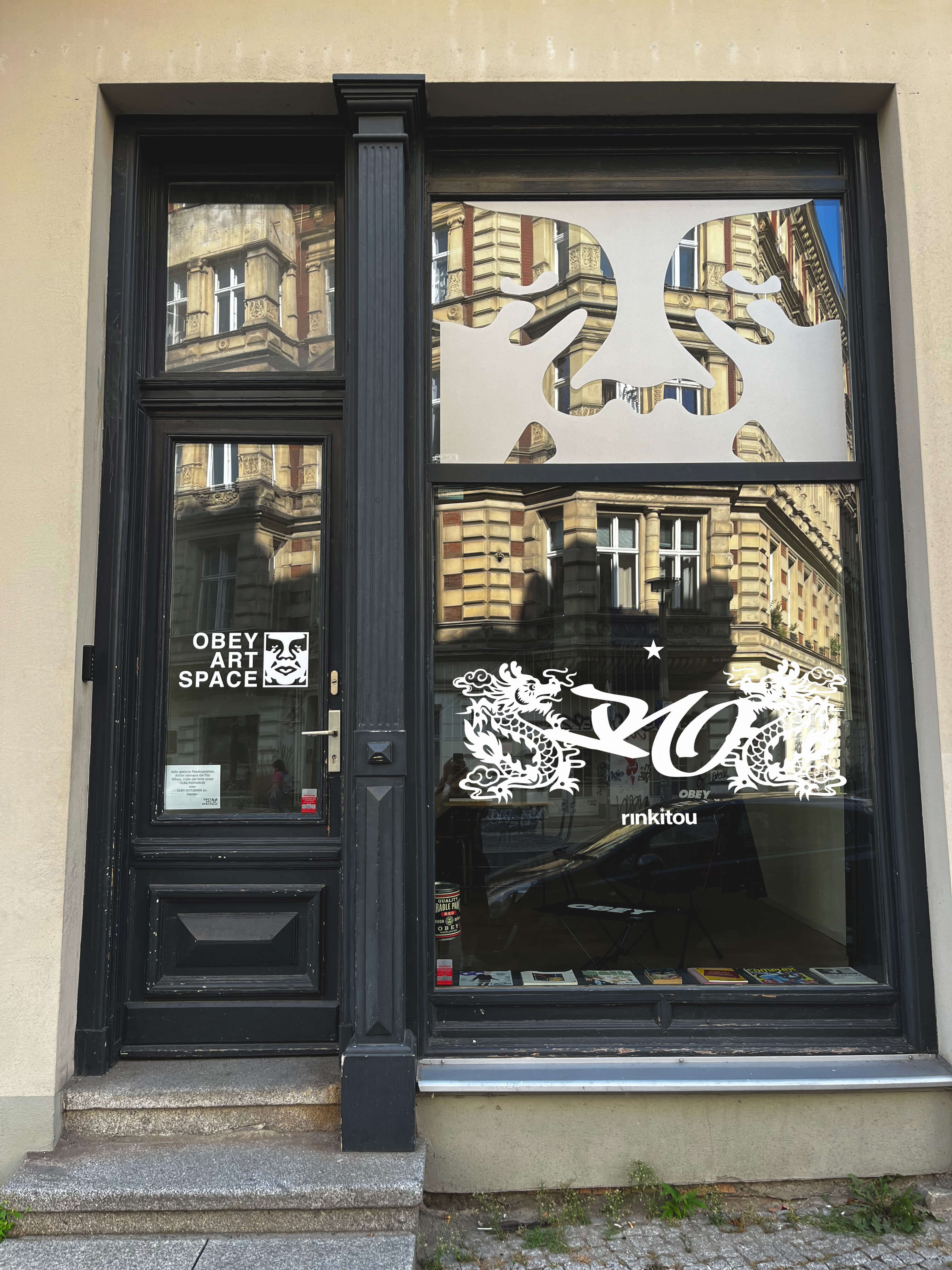
R/K2 x OBEY: a pop-up store at OBEY Art Space Berlin
How R/K2 opened its first pop-up store with OBEY Art Space in Berlin in 2024: a collaboration built around print.
09 / By Minh Tri Ha / 1 min read
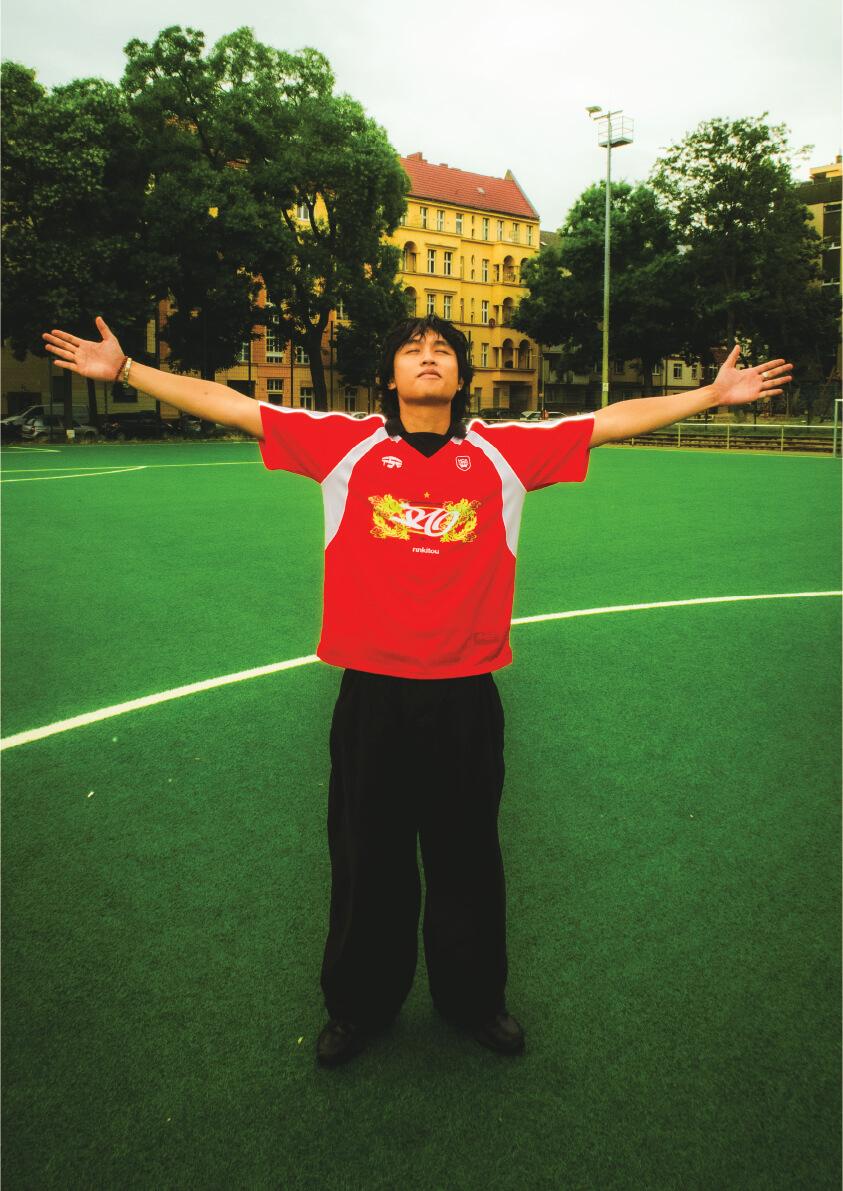
Capsule S24: the R/K2 jerseys, shot in Berlin
Capsule S24 was a run of red R/K2 football jerseys, made and shot in Berlin in the summer of 2024 together with young creatives and a giant football.

10 / By Minh Tri Ha / 3 min read
How R/K2 works as an archive: clothing, film, photography and objects
R/K2 is a fashion label that works as a cultural archive: how it documents the overlooked and turns it into clothing, film, photography and exhibitions.
11 / By Minh Tri Ha / 2 min read
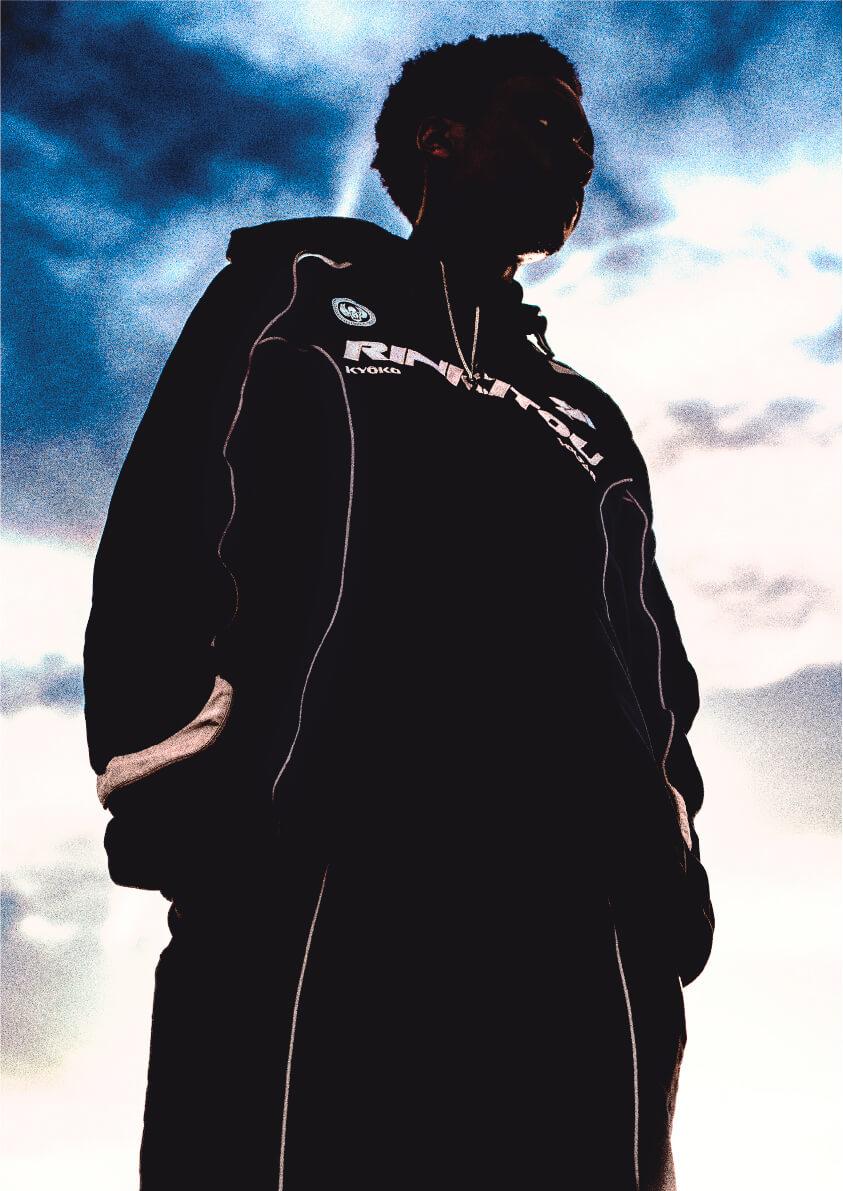
R/K2 in photography and film: shoots, short films and exhibitions
The photography and film work of R/K2, the fashion label from Kortrijk: the short film Reflect To Grow, Capsule S24 in Berlin, Tracksuit Chronicles and more.

12 / By Minh Tri Ha / 2 min read
R/K2 OS: the system I built behind the brand
R/K2 OS is the internal system Minh Tri Ha built for R/K2: collections, tech packs, production, shoots, fits, events and RSVPs in one place.
13 / By Minh Tri Ha / 3 min read
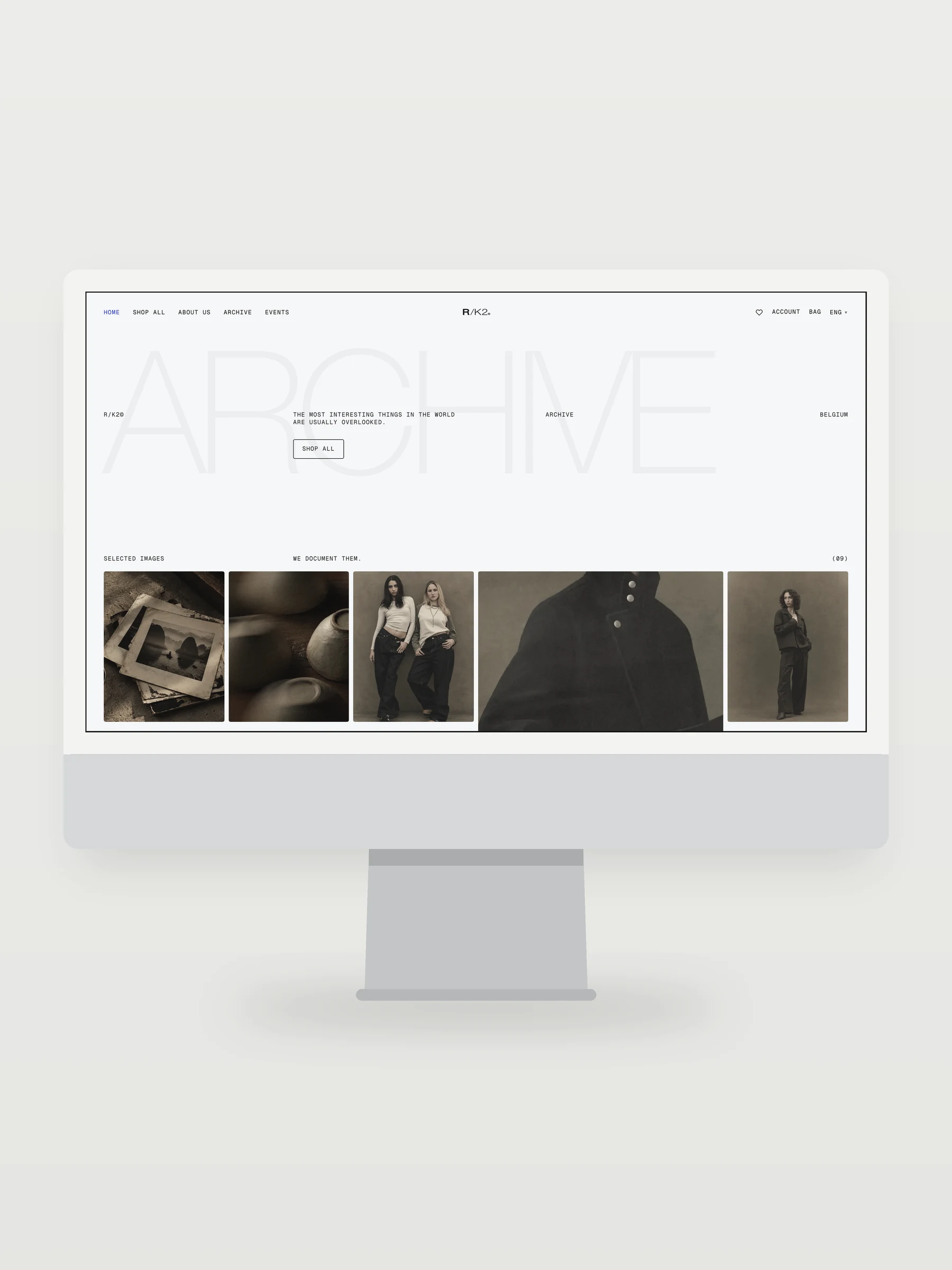
Building the R/K2 webshop: a headless Shopify store in Next.js
Why Minh Tri Ha built the R/K2 webshop himself as a headless store: Next.js on the front, Shopify as the backend, and what that gives the brand.
14 / By Minh Tri Ha / 6 min read
Belgian clothing brands: from the Antwerp Six to independent labels
Belgian clothing brands in one guide: the Antwerp Six, Margiela and Raf Simons, everyday labels, Delvaux and Natan, and independent minimal labels like R/K2.

15 / By Minh Tri Ha / 6 min read
Belgian menswear brands: 14 labels for men, and what to buy
Belgian menswear brands for men who buy to keep: designer labels, tailoring, everyday labels and independents, with a comparison table and fit notes.
16 / By Minh Tri Ha / 8 min read
Belgian fashion designers: from the Antwerp Six to now
A short guide to Belgian fashion designers: the Antwerp Six, Martin Margiela, Raf Simons and the generations after them, and why Belgium still matters.
17 / By Minh Tri Ha / 2 min read
Where R/K2 sits among minimal European labels
R/K2 next to Lemaire, Jil Sander, Ann Demeulemeester, Our Legacy, Han Kjøbenhavn and Arte Antwerp: founding year, city and what each label is known for.
18 / By Minh Tri Ha / 6 min read
Capsule wardrobe: the minimalist wardrobe essentials, piece by piece
How many pieces a capsule wardrobe needs, a checklist of minimalist wardrobe essentials, a neutral palette and cost per wear, in tables you can use.
19 / By Minh Tri Ha / 8 min read
Japanese denim vs regular denim: the difference, and is it worth it?
Japanese denim vs regular denim: shuttle looms, selvedge, rope dyeing, slub yarns, weight in oz, raw or washed, fades, price and how to choose a fit.
20 / By Minh Tri Ha / 7 min read
Heavyweight t-shirts: how to choose the GSM, cotton and fit
What is a good GSM for a t-shirt? A buying guide to heavyweight tees: weight table, combed vs carded cotton, collar, fit, shrinkage, drape and price.
21 / By Minh Tri Ha / 6 min read
What is archive fashion? A clear guide
What archive fashion means, how it differs from vintage, why provenance matters and how to start collecting archive pieces without overpaying.
22 / By Minh Tri Ha / 6 min read
Limited drops: how they work and how not to miss one
What a limited clothing drop is, why brands release in small runs, and practical steps to get the piece and size you want before it sells out.


