What is archive fashion? A clear guide
Archive fashion means garments from a designer's or brand's past collections, valued for the season and collection they come from rather than simply for their age. The word is used loosely, for rare runway pieces and for last season's leftovers alike, so this guide explains what it actually means and how to buy with your eyes open.
The short definition
An archive piece is a garment from a designer's or brand's past collections, valued because of the collection it belongs to. The word comes from the archives that fashion houses keep of their own work: samples, runway pieces and production garments stored as a record of what the house has made.
In practice, when people talk about archive fashion they usually mean pieces from collections that mattered: seasons that changed how a designer was seen, or that influenced what other designers did next.
Archive is not the same as vintage
Vintage describes age. A piece is vintage because it is old, usually twenty years or more, whoever made it. Archive describes context. A piece is archive because of who made it, for which collection and in which season, and that context is what gives it value.
So a ten year old jacket can be archive, and a forty year old jacket can be just vintage. A t-shirt from a forgotten diffusion line is vintage. The same designer's runway coat from the season everyone still talks about is archive.
And deadstock
Deadstock is a third word that often appears in the same listings. It means stock that was produced but never sold or worn: old shop inventory, warehouse finds, pieces still in their original packaging and with their tags attached.
Deadstock describes condition, not age or importance. A deadstock piece can be archive if it comes from an important collection, or simply old unsold stock if it does not. For a buyer the difference matters, because a never worn archive piece is usually worth considerably more than the same piece after years of wear.
Why context matters
An archive piece is never only a piece of clothing. The year, the season, the name of the collection and whether the piece appeared on the runway all change how it is seen and what it is worth. Two black jackets that look almost identical can be worth very different amounts if one of them comes from a famous show.
This is why collectors talk so much about seasons. They are not being precious: the season is the label that tells you which part of a designer's story you are holding.
Provenance and authenticity
Provenance is the history of a piece: where it came from and who owned it. Original tags, care labels with the right codes, receipts, runway photos that show the same piece and a seller who can explain where they got it all add confidence.
Because archive pieces can be expensive, fakes and mislabelled items exist. Before you buy, compare the labels and the construction with pieces you know are real, ask the seller for detailed photos of the tags and seams, and be careful with prices that seem too good to be true.
Checking a piece step by step
Start with the labels. Compare the main label, the size label and the care label with confirmed examples from the same period. Fonts, spacing, the material of the label and the way it is stitched in change over the years, and copies often get these details wrong.
Then look at construction. Check the seams, the finish inside the garment, the buttons, zips and other hardware. Important designers rarely used cheap hardware, and the inside of a piece often tells you more than the outside.
Check the measurements. Ask for the measurements lying flat, armpit to armpit, length and sleeve, and compare them with the size chart of the season if you can find it.
Condition
Condition decides both value and wearability. Look at the areas that wear first: the collar, the cuffs, the underarms, the hem and the seat of trousers. Ask about fading, stains, holes, repairs, odours and alterations. An altered piece, shortened or taken in, is worth less to collectors even when it fits you better.
Good sellers describe flaws plainly and photograph them. If a listing shows only flattering angles, ask for more photos before you buy.
The names collectors look for
Archive collecting grew mostly around designers who worked against the mainstream of their time. Helmut Lang, Comme des Garçons, Yohji Yamamoto, Martin Margiela and Raf Simons are among the names most often mentioned. Belgium is well represented on that list, which is no accident: our piece on Belgian fashion designers explains why.
You do not need to start with the most expensive names. Many collectors begin with a designer whose work they actually like to wear, and learn the seasons from there.
How archive pieces are priced
Archive prices follow a logic, even if it is not always obvious. The designer and the collection come first: a piece from a celebrated season costs more than one from a quieter year. A piece that appeared on the runway, or in a well known campaign, costs more than one that did not.
Then come rarity, size and condition. Pieces made in small numbers are scarcer. Common sizes sell faster, so they often cost more. Unworn or near perfect condition adds value, and completeness, with original tags and accessories, adds a little more.
Prices also move with attention. When a designer is in the news, a collection is referenced by a new generation or a museum shows the work, prices can rise quickly. That is worth remembering if you buy to wear rather than to trade.
How to start
Learn before you buy. Look at runway archives, read about the collections and get to know the labels and sizing of the designer you are interested in. Sizing in older pieces often runs differently from today.
Buy to wear. The best archive pieces are still clothes. Check the condition of the fabric, the lining and the hardware, and think about whether you will actually put it on.
Keep the context. Save the tags, the listing and any information that came with the piece. That is the provenance the next owner will ask you about.
How we use the word
At R/K2, archive has a simple and literal meaning. We make pieces in small runs and do not restock them. When a piece sells out, it moves to the R/K2 archive, where it stays on record with its details, but is no longer for sale.
That is our way of keeping a history of our own work from the start, and of being honest about what limited means. If you want to be there before a piece sells out, read how our drops work or see what is in the shop now.
Articles
Questions
In fashion, archive means a garment from a designer's or brand's past collections that is valued for the collection it belongs to. The season, the year and whether the piece appeared on the runway are all part of what makes it archive.
Pieces in this article


01 / By Minh Tri Ha / 8 min read
Belgian fashion designers: from the Antwerp Six to now
A short guide to Belgian fashion designers: the Antwerp Six, Martin Margiela, Raf Simons and the generations after them, and why Belgium still matters.
02 / By Minh Tri Ha / 6 min read
Limited drops: how they work and how not to miss one
What a limited clothing drop is, why brands release in small runs, and practical steps to get the piece and size you want before it sells out.
03 / By Peter Lanssens, HLN / 2 min read
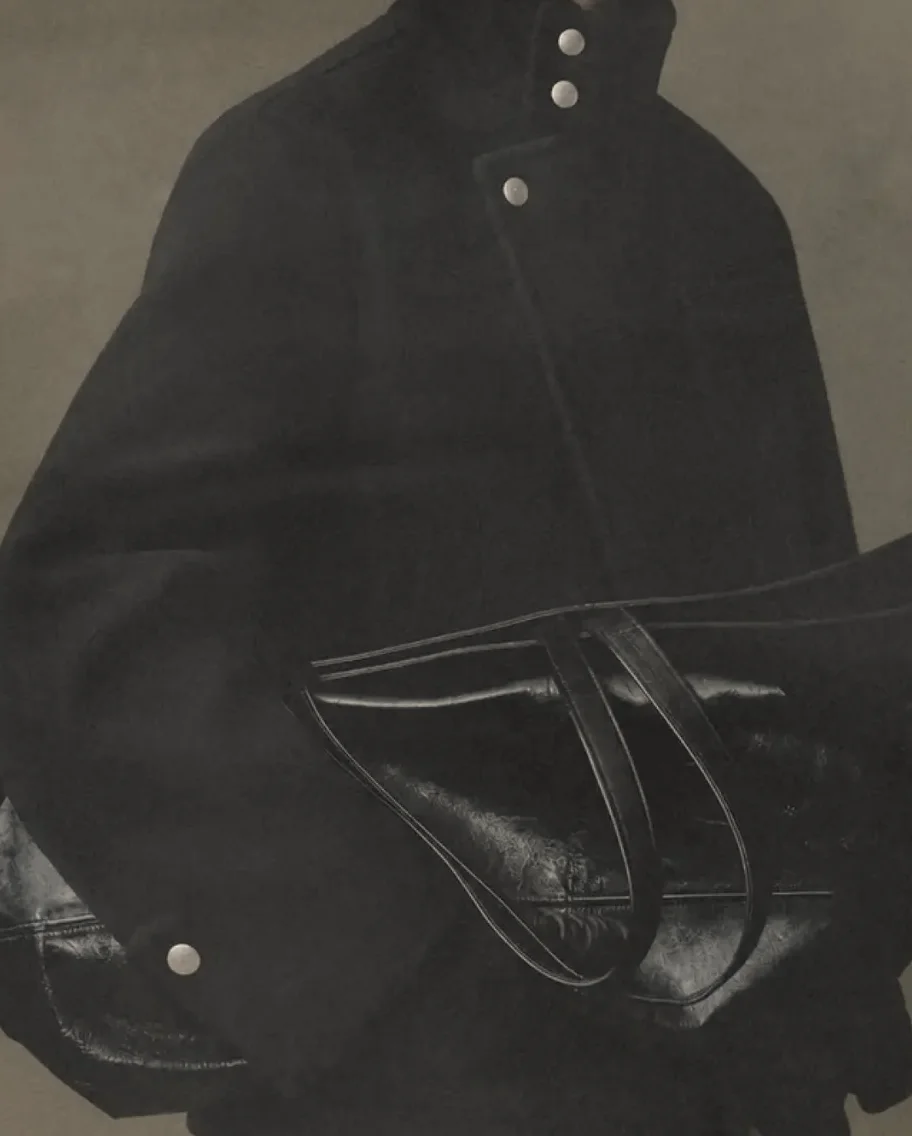
R/K2 in HLN: 500 visitors expected for R/K2://SOURCE in Kortrijk
HLN on R/K2://SOURCE: a runway show of the new winter collection at 4N20 in Kortrijk on 21 November 2026, with about 500 visitors expected.
04 / By Minh Tri Ha / 2 min read
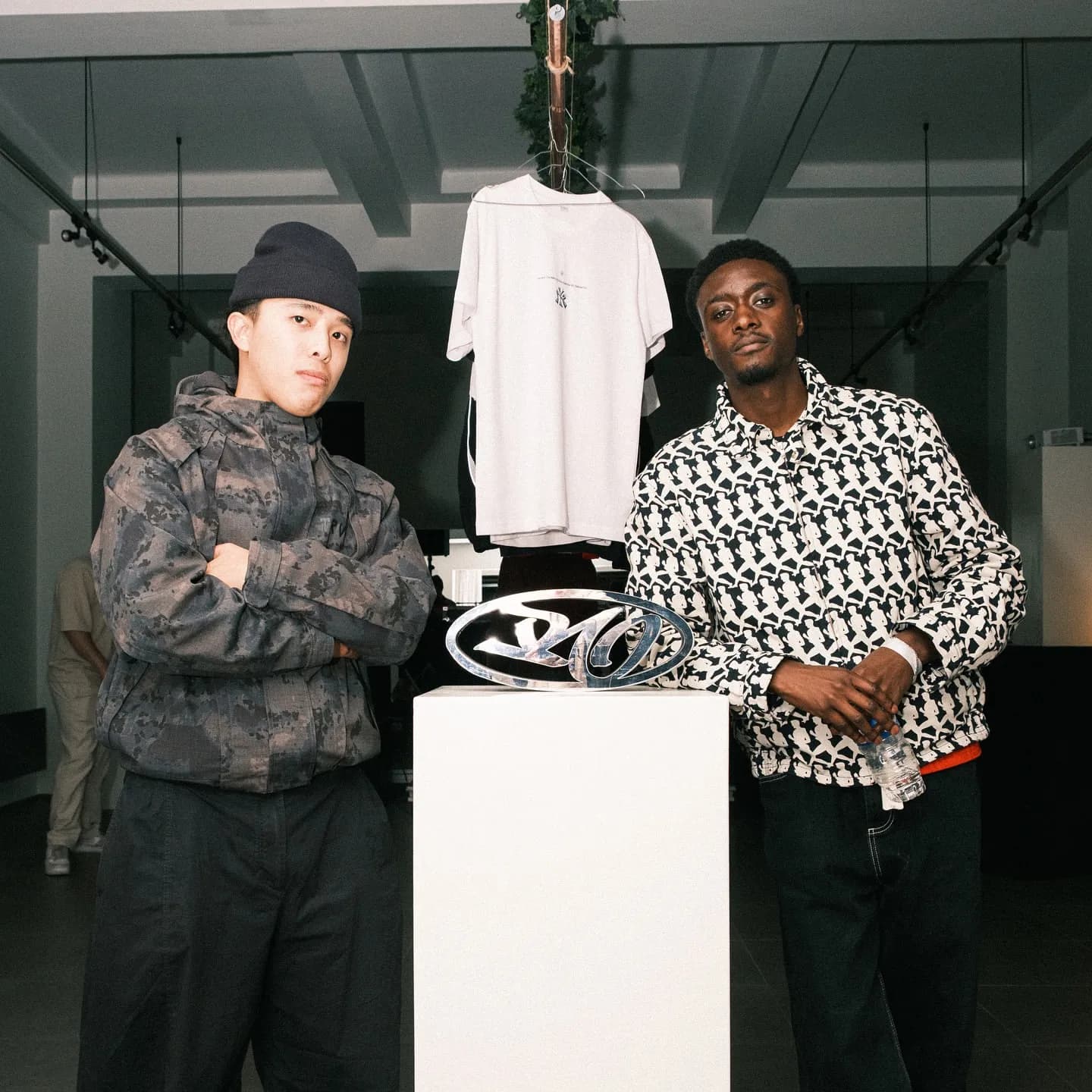
Exhibition 8500: the R/K2 launch at Wonder Festival in Kortrijk
On 16 October 2025 R/K2 launched with Exhibition 8500 at Wonder Festival in Kortrijk: more than 250 people, the short film Reflect To Grow, live music and DJs.
05 / By Minh Tri Ha / 2 min read
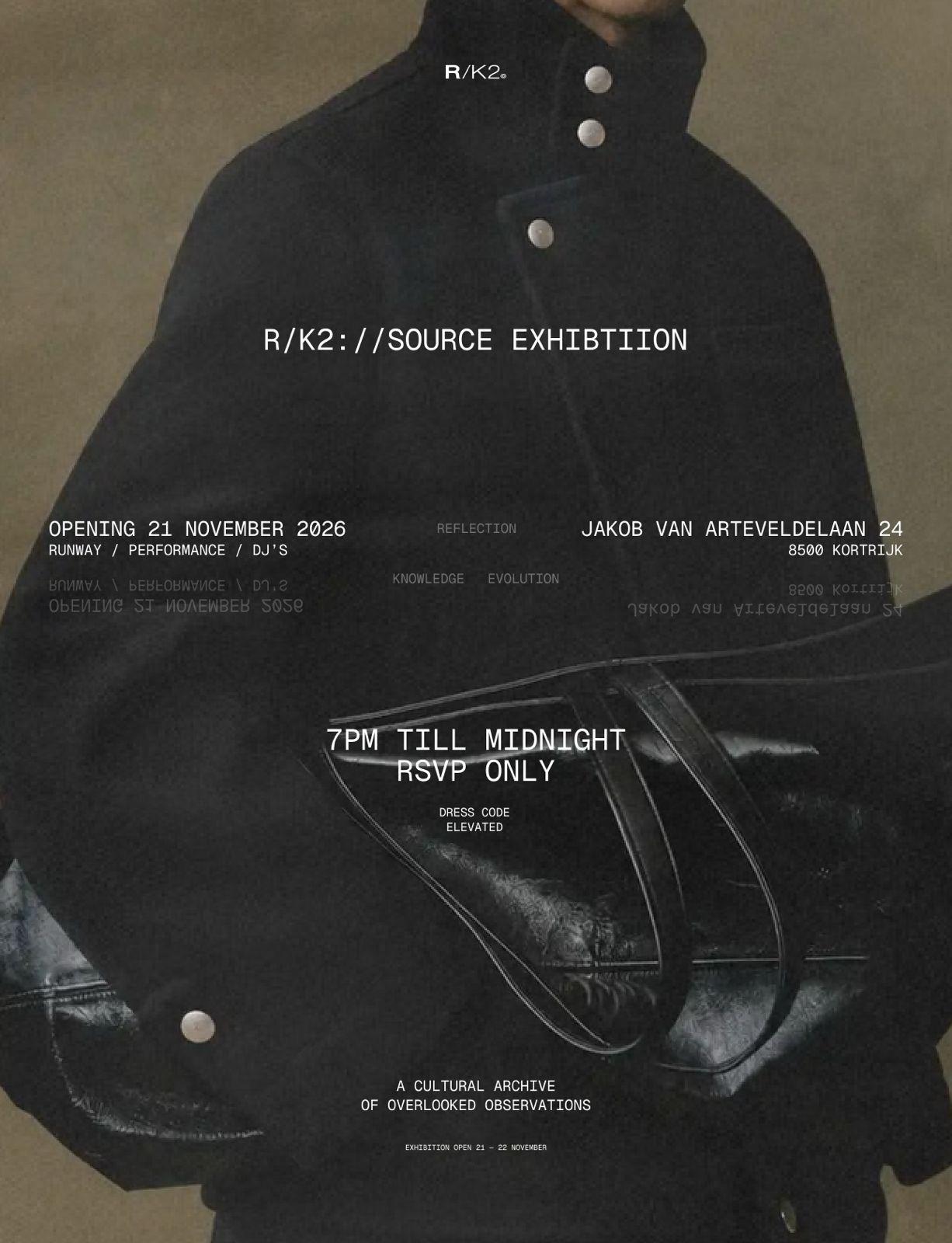
R/K2://SOURCE Exhibition: two days inside the archive in Kortrijk
R/K2://SOURCE is a two-day exhibition at 4N20 in Kortrijk on 21 and 22 November 2026: a runway presentation, live performance, DJs and the archive.
06 / By Minh Tri Ha / 3 min read
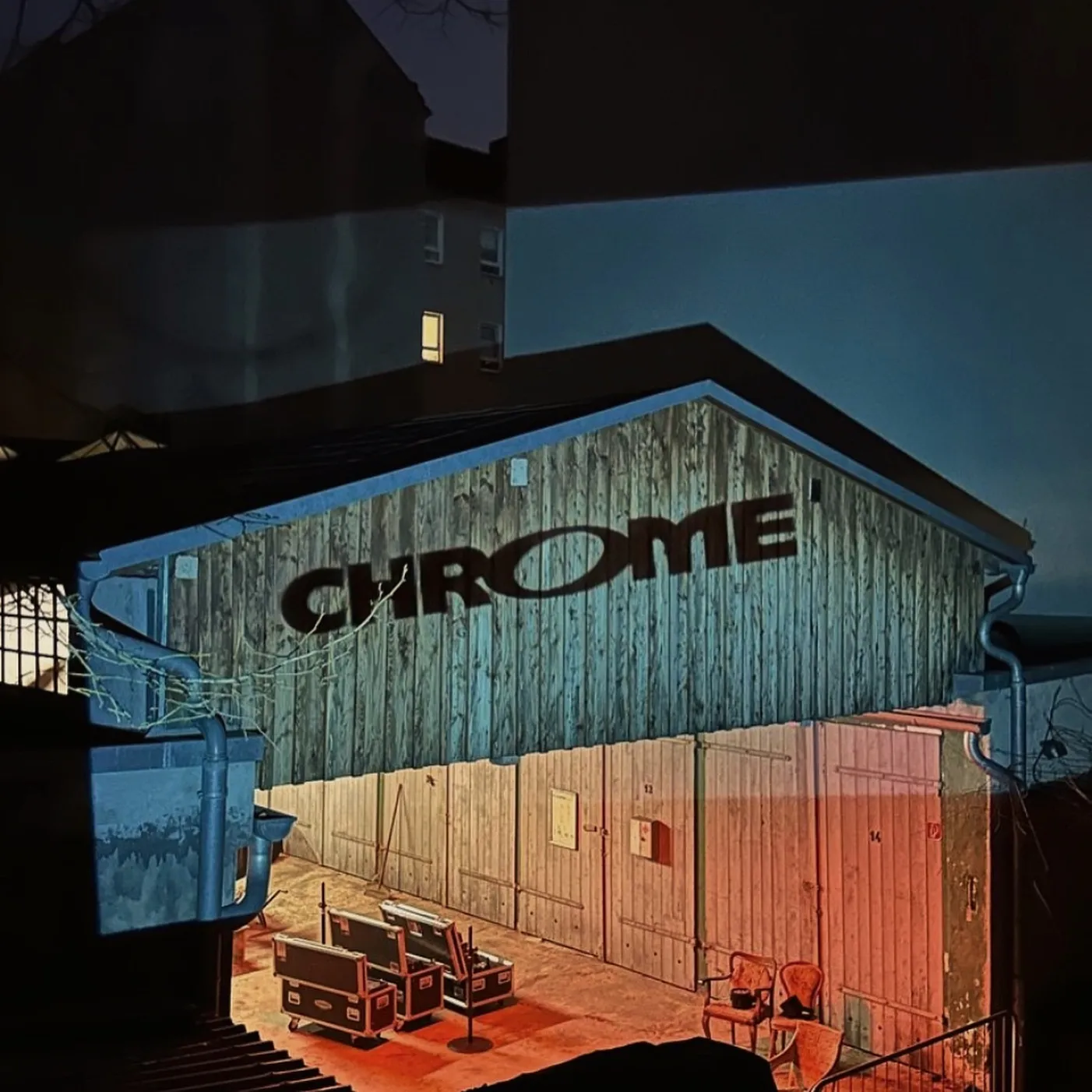
Four months at Chrome Mag Berlin: design, video and creative direction
Minh Tri Ha on his internship at Chrome Mag in Berlin: a magazine, a TV logo, shoots with OBEY, Mark Forster and Ski Aggu, and a first pop-up store.
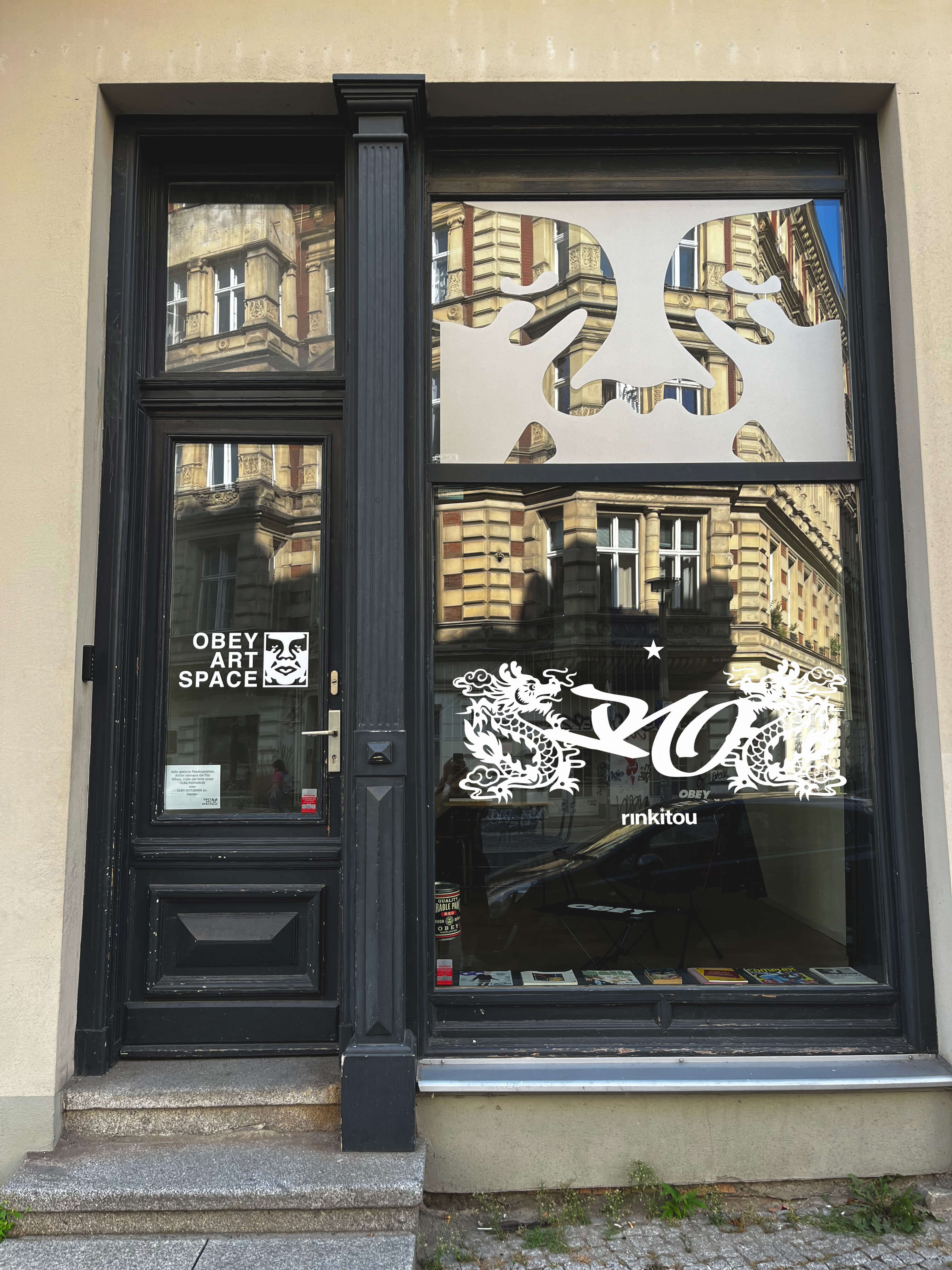
07 / By Minh Tri Ha / 2 min read
R/K2 x OBEY: a pop-up store at OBEY Art Space Berlin
How R/K2 opened its first pop-up store with OBEY Art Space in Berlin in 2024: a collaboration built around print.
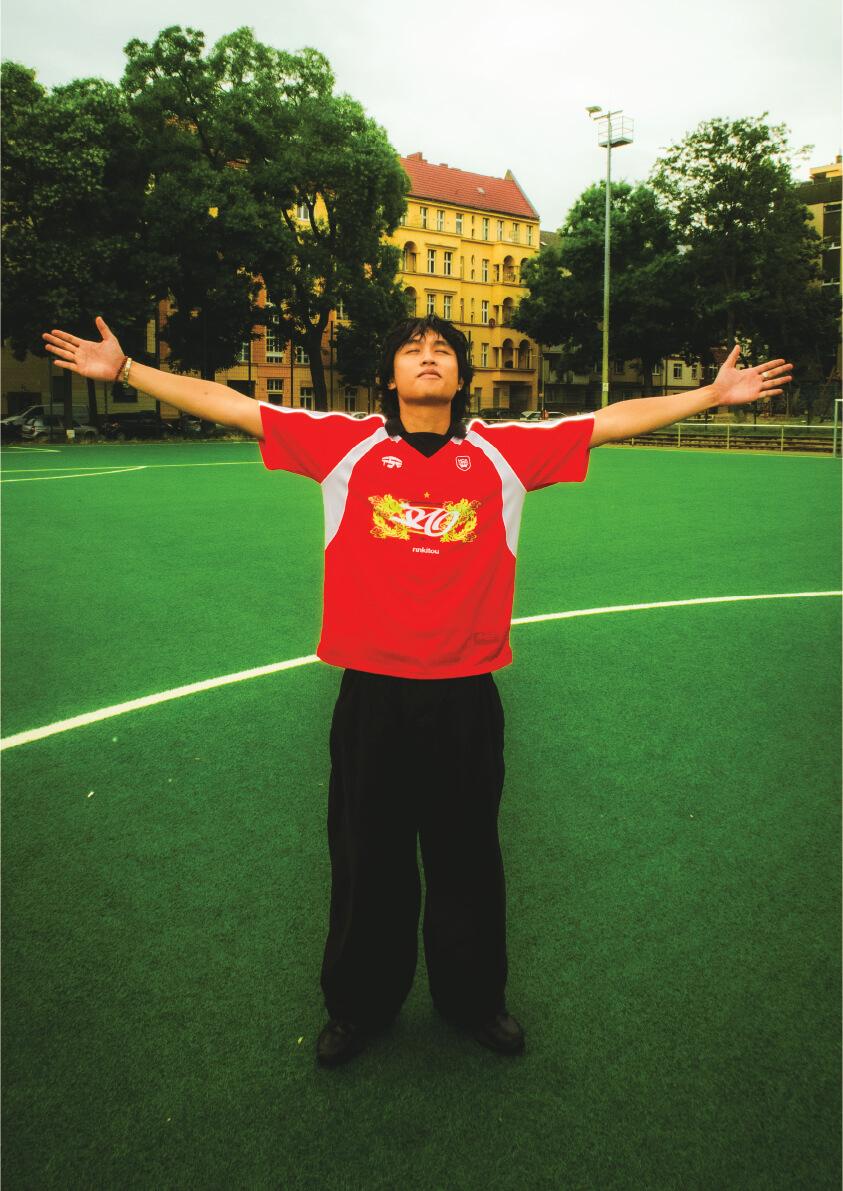
08 / By Minh Tri Ha / 1 min read
Capsule S24: the R/K2 jerseys, shot in Berlin
Capsule S24 was a run of red R/K2 football jerseys, made and shot in Berlin in the summer of 2024 together with young creatives and a giant football.

09 / By Minh Tri Ha / 3 min read
How R/K2 works as an archive: clothing, film, photography and objects
R/K2 is a fashion label that works as a cultural archive: how it documents the overlooked and turns it into clothing, film, photography and exhibitions.
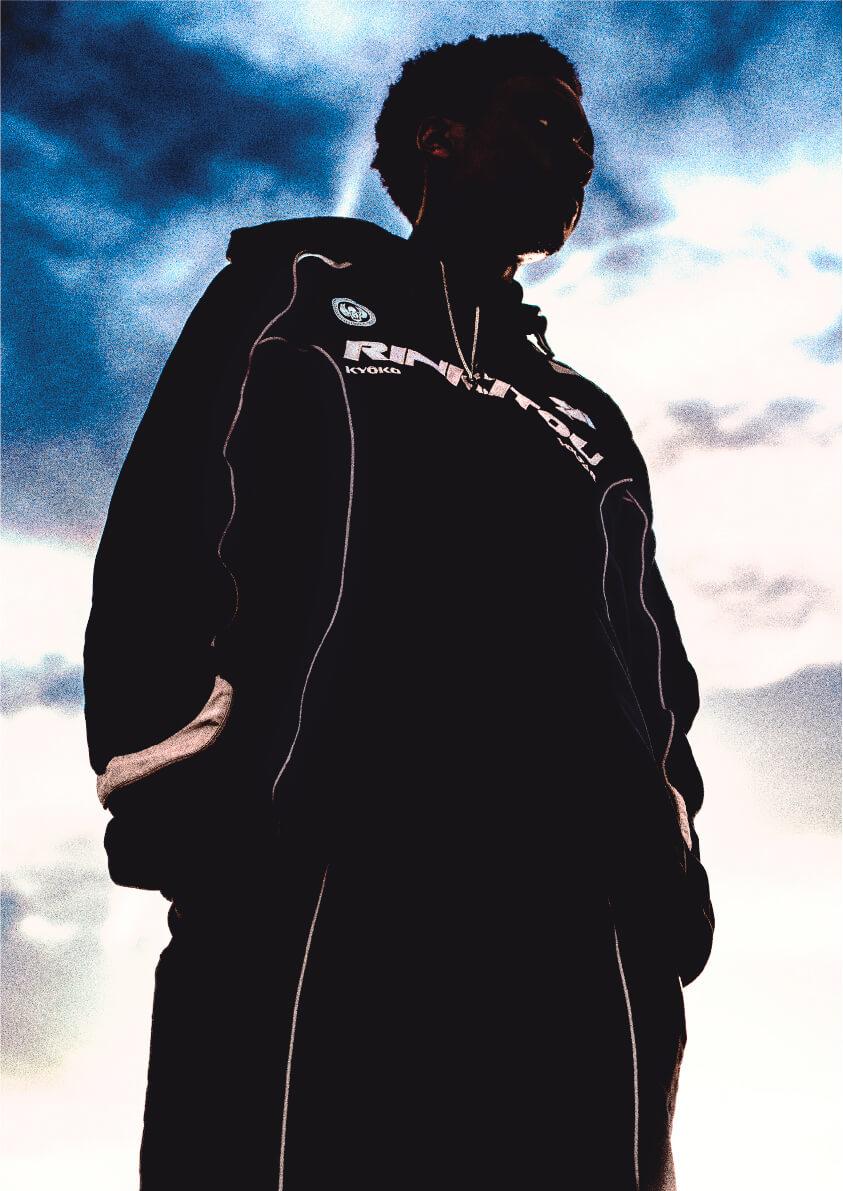
10 / By Minh Tri Ha / 2 min read
R/K2 in photography and film: shoots, short films and exhibitions
The photography and film work of R/K2, the fashion label from Kortrijk: the short film Reflect To Grow, Capsule S24 in Berlin, Tracksuit Chronicles and more.
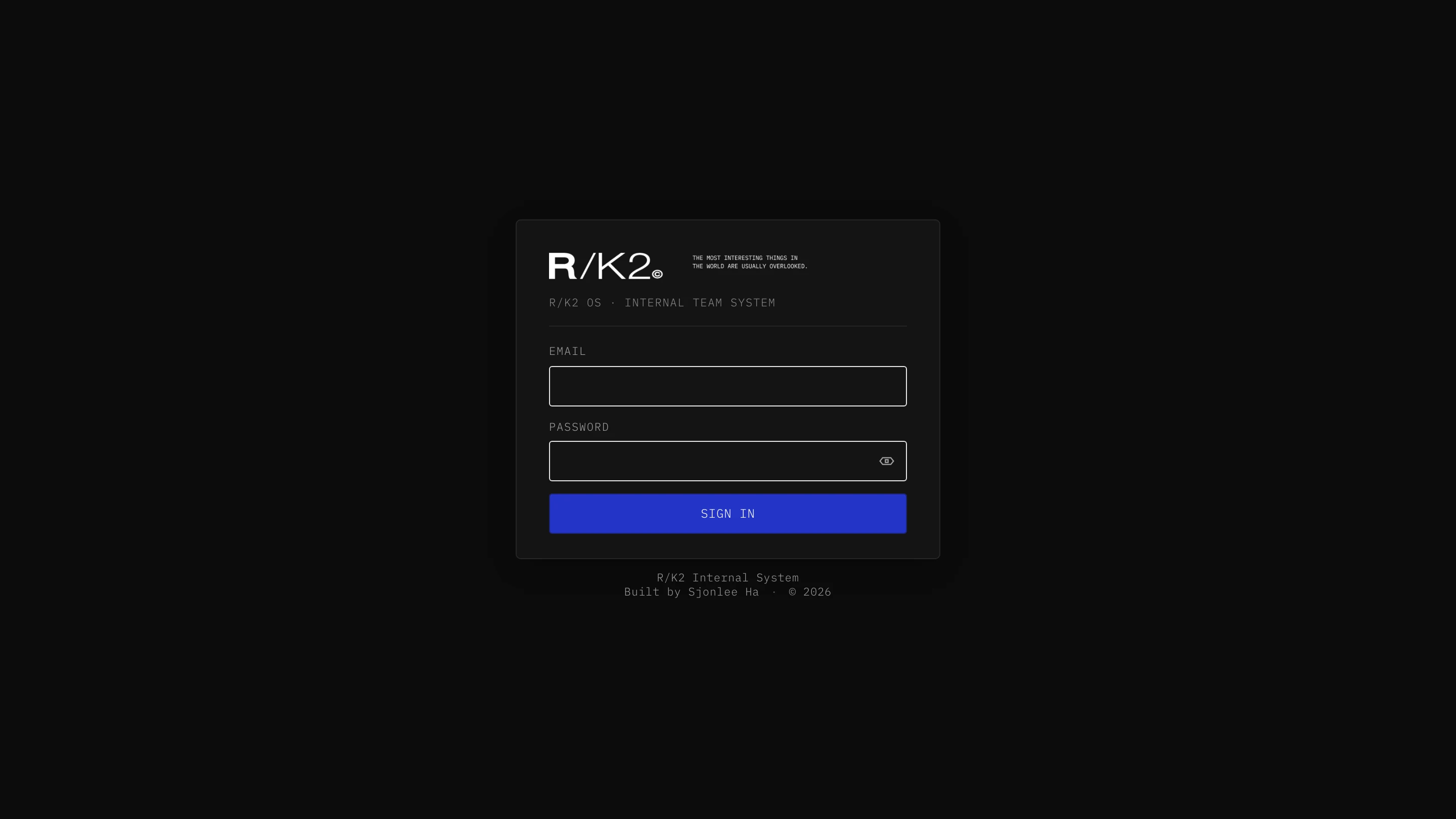
11 / By Minh Tri Ha / 2 min read
R/K2 OS: the system I built behind the brand
R/K2 OS is the internal system Minh Tri Ha built for R/K2: collections, tech packs, production, shoots, fits, events and RSVPs in one place.
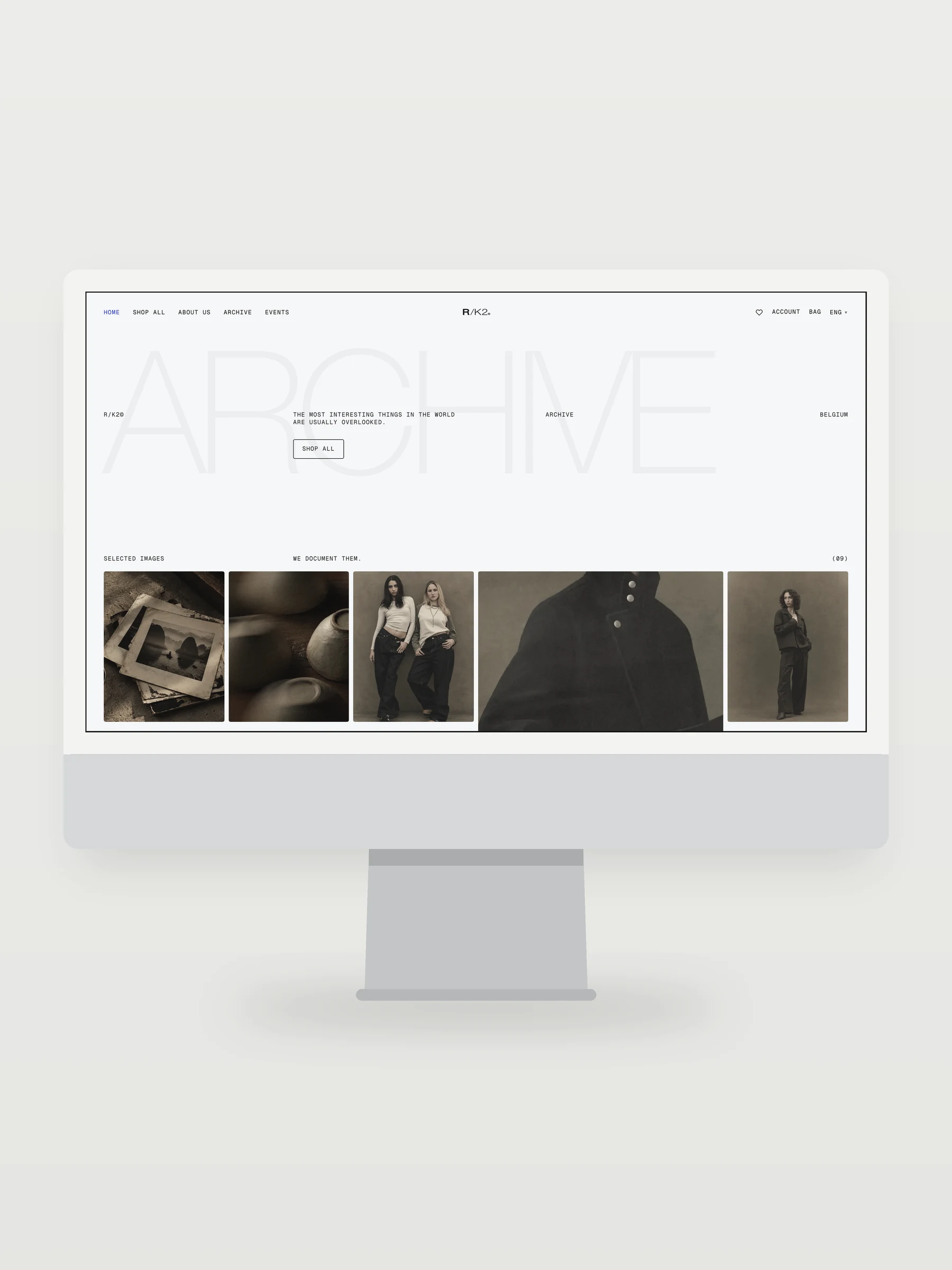
12 / By Minh Tri Ha / 3 min read
Building the R/K2 webshop: a headless Shopify store in Next.js
Why Minh Tri Ha built the R/K2 webshop himself as a headless store: Next.js on the front, Shopify as the backend, and what that gives the brand.
13 / By Minh Tri Ha / 6 min read
Belgian clothing brands: from the Antwerp Six to independent labels
Belgian clothing brands in one guide: the Antwerp Six, Margiela and Raf Simons, everyday labels, Delvaux and Natan, and independent minimal labels like R/K2.
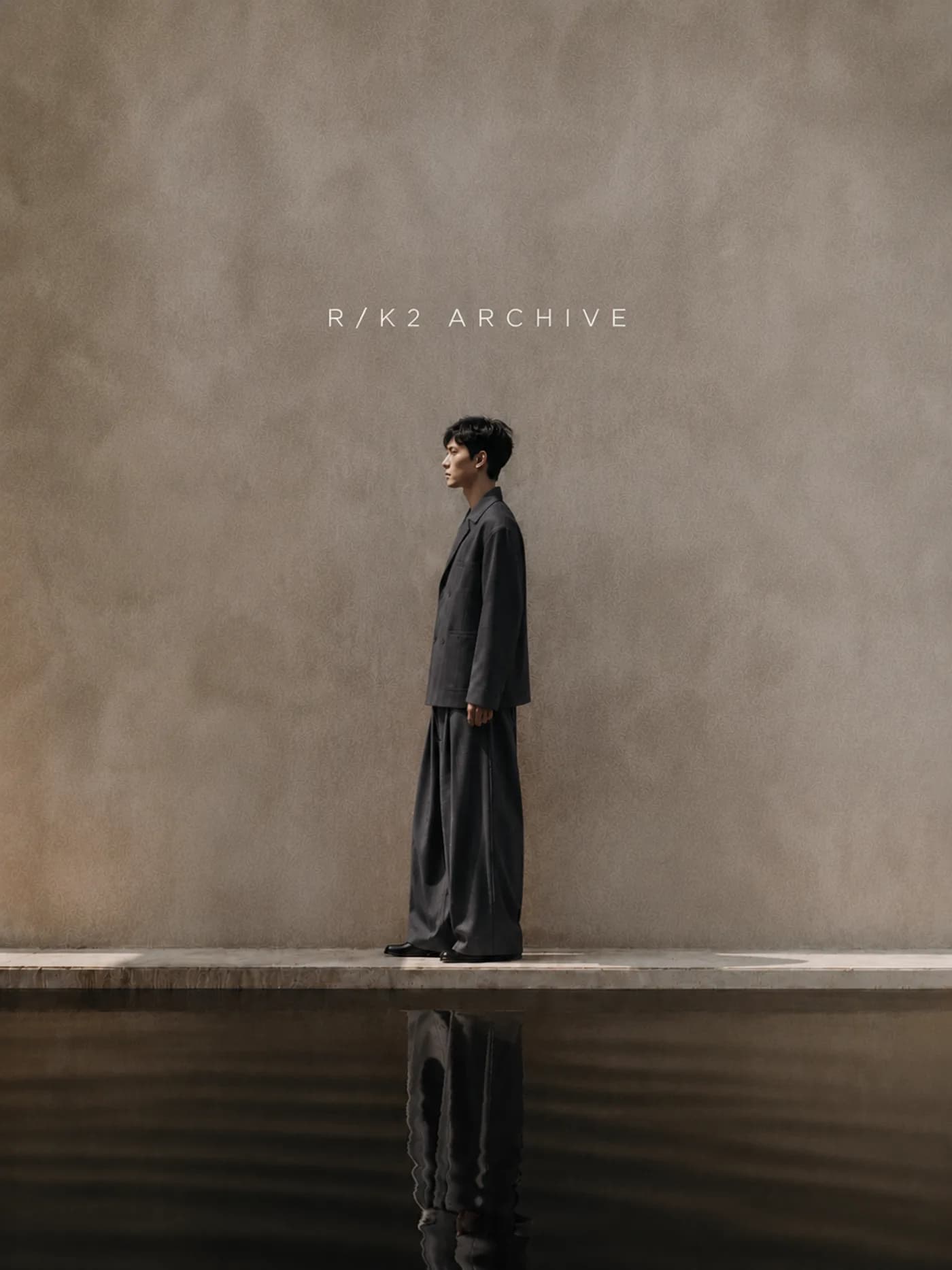
14 / By Minh Tri Ha / 6 min read
Belgian menswear brands: 14 labels for men, and what to buy
Belgian menswear brands for men who buy to keep: designer labels, tailoring, everyday labels and independents, with a comparison table and fit notes.
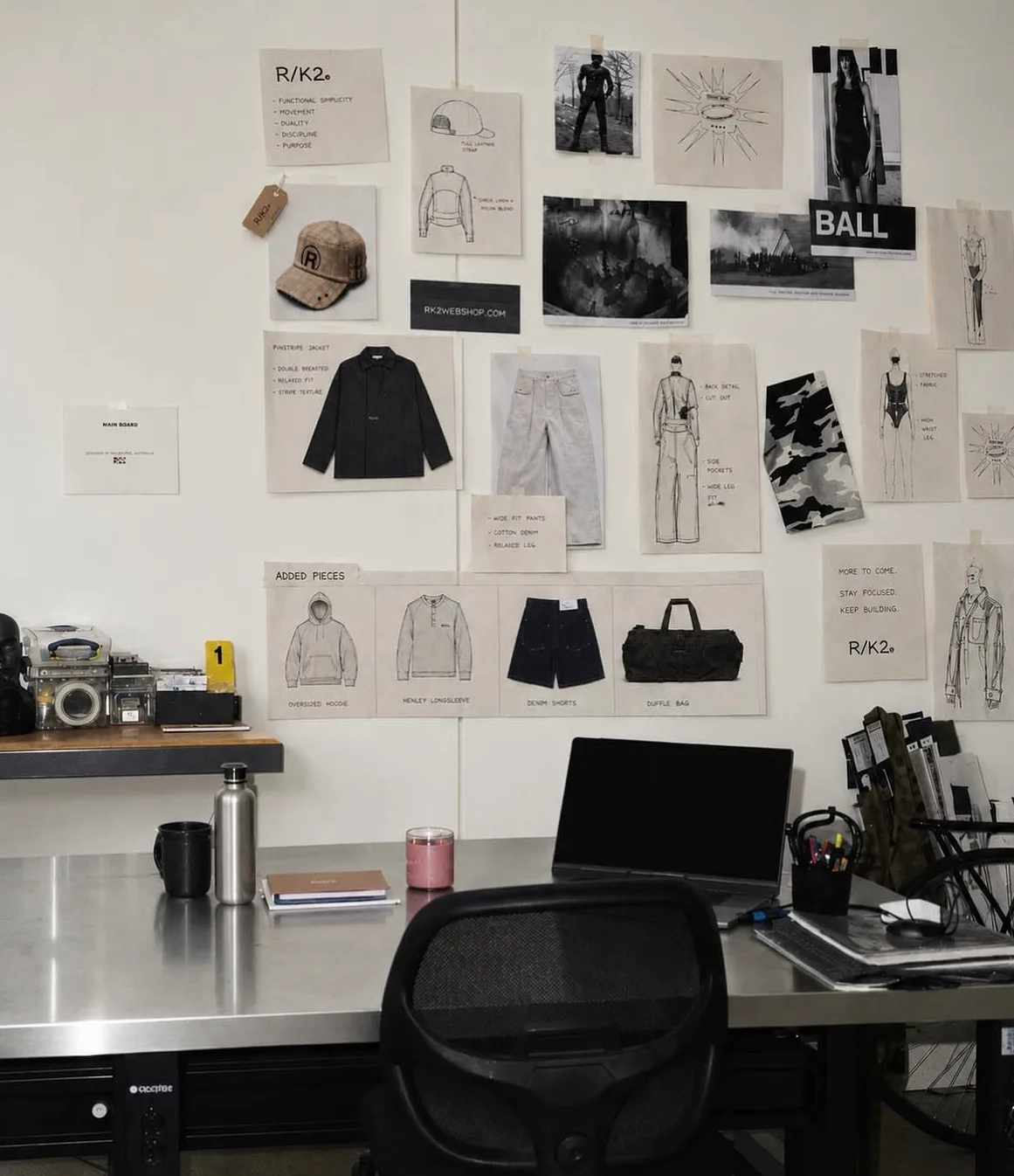
15 / By Minh Tri Ha / 2 min read
Where R/K2 sits among minimal European labels
R/K2 next to Lemaire, Jil Sander, Ann Demeulemeester, Our Legacy, Han Kjøbenhavn and Arte Antwerp: founding year, city and what each label is known for.
16 / By Minh Tri Ha / 6 min read
Capsule wardrobe: the minimalist wardrobe essentials, piece by piece
How many pieces a capsule wardrobe needs, a checklist of minimalist wardrobe essentials, a neutral palette and cost per wear, in tables you can use.
17 / By Minh Tri Ha / 8 min read
How to choose a leather jacket: a complete buying guide
How to choose a leather jacket: lambskin vs cowhide, full grain vs genuine leather, fit, lining, hardware, price and ageing, with a checklist for the shop.
18 / By Minh Tri Ha / 8 min read
Japanese denim vs regular denim: the difference, and is it worth it?
Japanese denim vs regular denim: shuttle looms, selvedge, rope dyeing, slub yarns, weight in oz, raw or washed, fades, price and how to choose a fit.
19 / By Minh Tri Ha / 7 min read
Heavyweight t-shirts: how to choose the GSM, cotton and fit
What is a good GSM for a t-shirt? A buying guide to heavyweight tees: weight table, combed vs carded cotton, collar, fit, shrinkage, drape and price.
20 / By Minh Tri Ha / 6 min read
How to wash and care for heavyweight cotton and rib knits
What gsm means and how to wash, dry and store heavyweight cotton t-shirts and rib knits so they keep their shape, colour and fit for years.
21 / By Minh Tri Ha / 6 min read
How to care for a leather jacket: cleaning, rain and storage
How to clean, condition, dry and store a leather jacket so it lasts for years: what to do after rain, how often to condition and what never to do.
22 / By Minh Tri Ha / 5 min read
How to wash and care for Japanese denim
How to wash Japanese and selvedge denim: how often, at what temperature, how to dry it, how to handle shrinkage and indigo transfer, and how to store it.


