Building the R/K2 webshop: a headless Shopify store in Next.js
A new chapter for R/K2 started with a new identity and this webshop. I designed and built it myself, as a headless webshop: Next.js on the front, Shopify as the backend. The goal was never just to make something that looks good, but a system that can grow with the brand.
What headless means
In a normal Shopify store, the shop and the website are one thing: you pick a theme and work inside its limits. Headless splits them. Shopify stays the backend, with the products, stock, customers, payments and checkout. The website you see is a separate front end that asks Shopify for its data through the API.
For R/K2 that front end is built in Next.js. Every page, every grid and every animation is our own, while the part that has to be safe and reliable, paying, stays with a platform made for it.
Why I chose Next.js
Part of the reason was simple: I wanted to learn it properly. I work as a front-end developer and designer, and building a real shop for my own label was the best way to master Next.js and React, with real products, real customers and real deadlines instead of an exercise.
The other part is what Next.js is good at. It prepares pages ahead of time and refreshes them in the background, so they open fast. It handles languages, routes and search engines well. And it lets design and code live in one place, which is how I like to work.
The pros
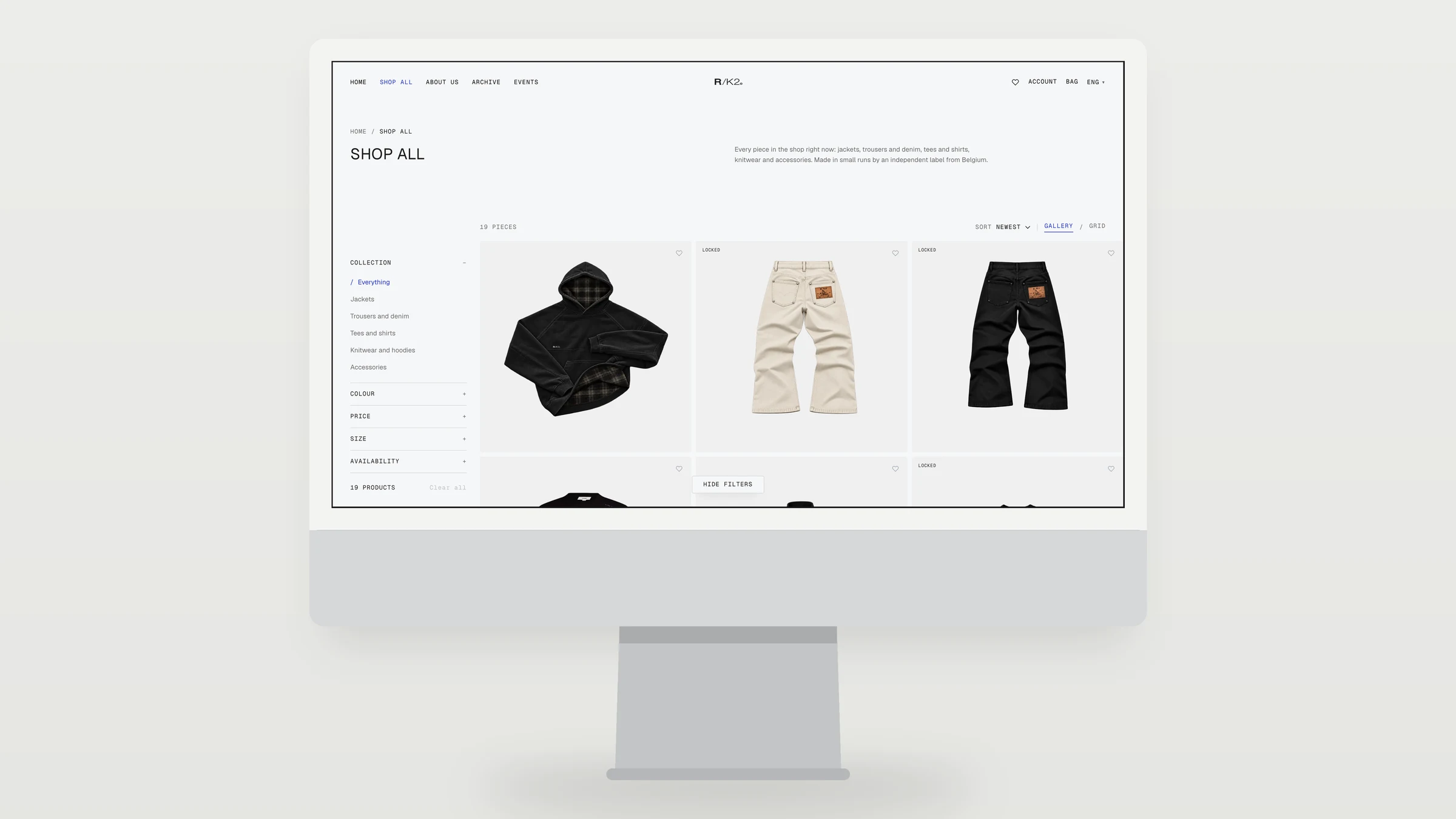
Freedom of design: nothing looks like a template, because there is none. The typography, the 12 column grid and the way pages move all follow the brand.
Speed and search: fast pages rank and convert better, and every page has its own titles, structured data and translations in English, Dutch and French.
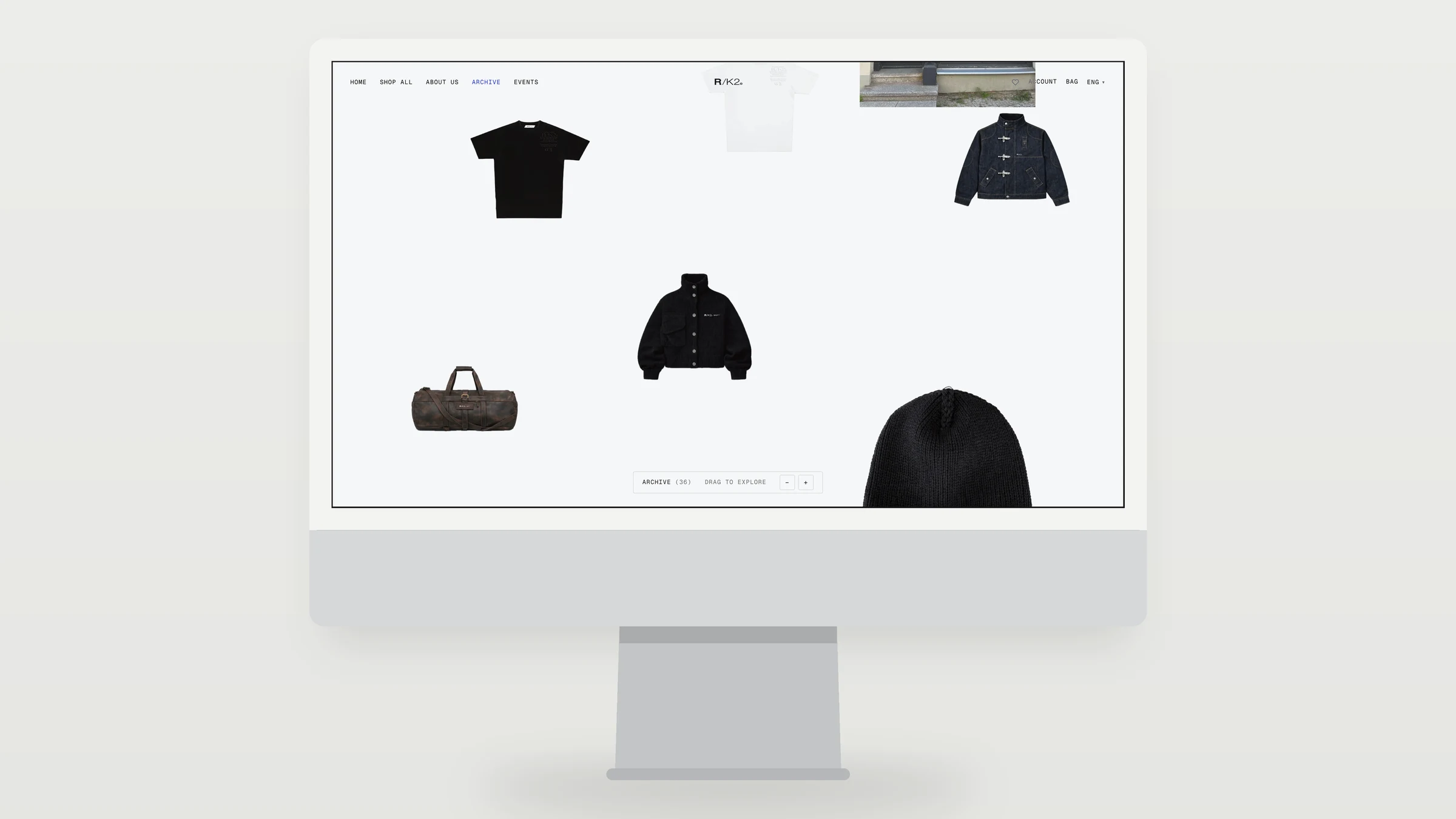
Our own features: an archive you can drag through, locked pieces you can sign up for, a wishlist, Articles and a glossary. Things a theme would not do the way we want.
A safe backend: Shopify keeps handling checkout, payments, stock and security, so there are no servers of our own to patch. And because the front and back are separate, either one can change later without rebuilding the other.
The archive and locked pieces
Pieces that sold out do not disappear. They move into the archive, an open canvas you can drag through, so the history of the label stays visible. That is the idea of archive fashion applied to our own work.
Some pieces are locked: you can see them, but they are not for sale yet. Leave your email and you hear first, in your own language, when the piece opens. Read more in how limited drops work.
More than a shop
The same way of working runs through R/K2 OS, the internal app we run the brand on. It is only the beginning of a much longer project, and the shop will keep changing as the label does.
Articles
Questions
Yes. Shopify is the backend for products, stock, customers and checkout; the website itself is built in Next.js and talks to Shopify through its API.
01 / By Minh Tri Ha / 2 min read
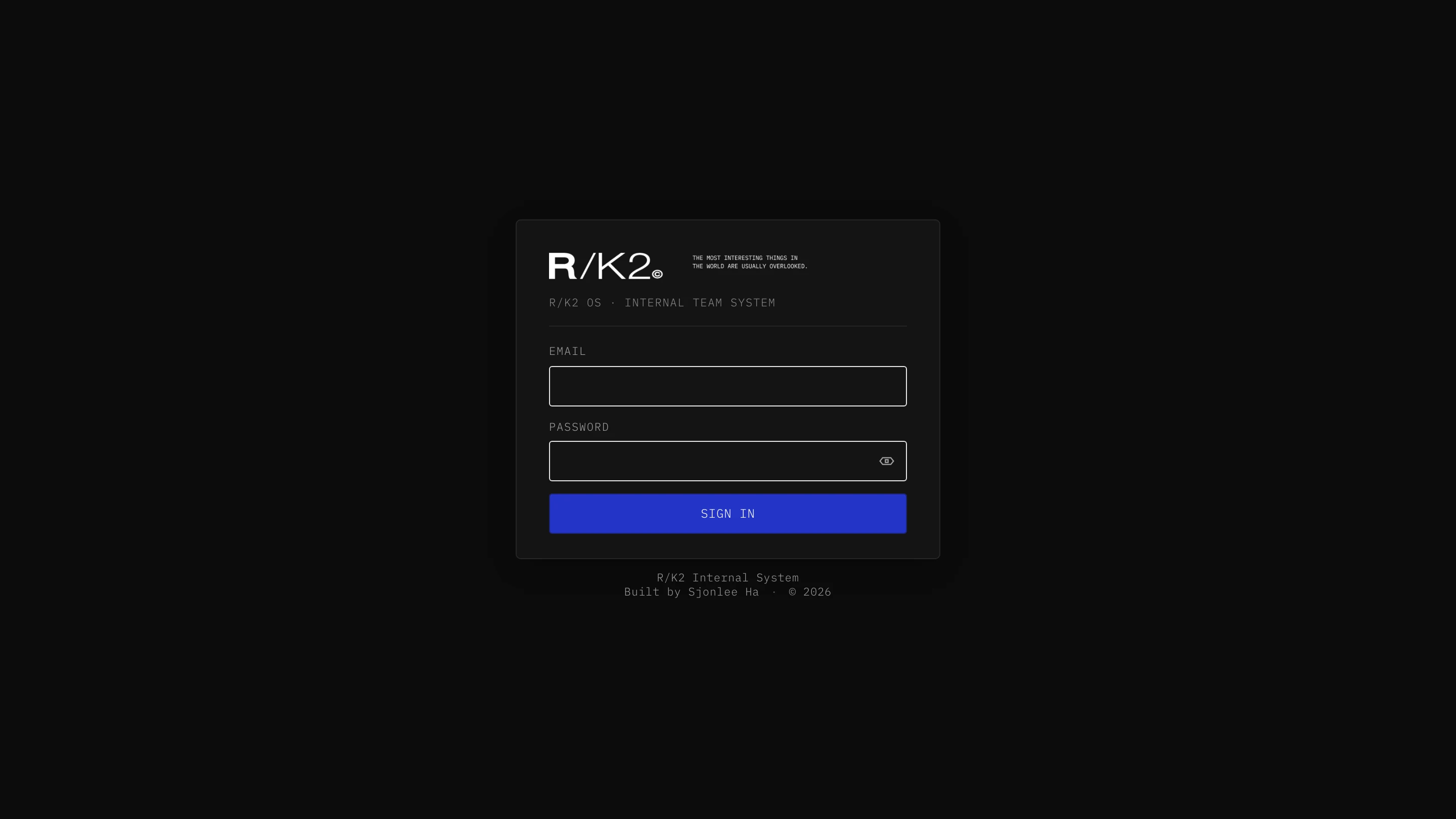
R/K2 OS: the system I built behind the brand
R/K2 OS is the internal system Minh Tri Ha built for R/K2: collections, tech packs, production, shoots, fits, events and RSVPs in one place.
02 / By Minh Tri Ha / 6 min read
What is archive fashion? A clear guide
What archive fashion means, how it differs from vintage, why provenance matters and how to start collecting archive pieces without overpaying.
03 / By Peter Lanssens, HLN / 2 min read
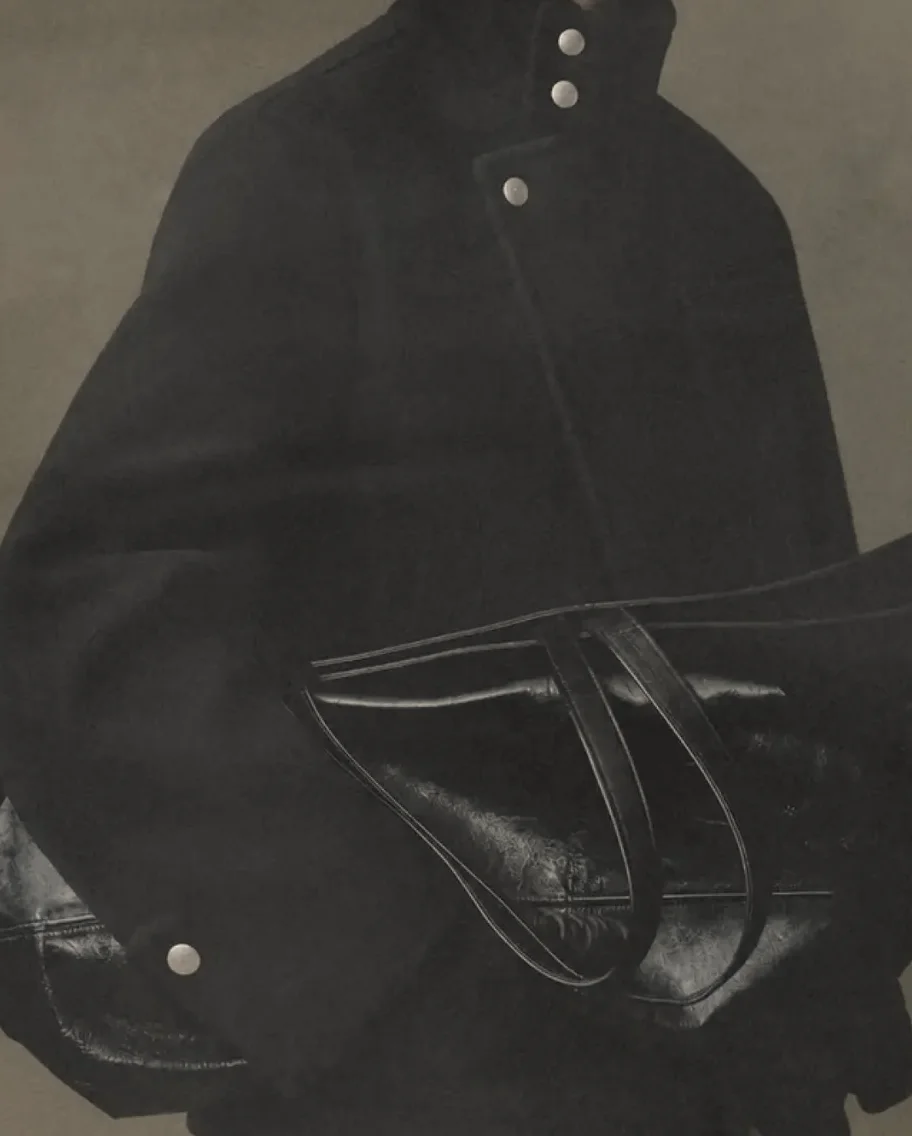
R/K2 in HLN: 500 visitors expected for R/K2://SOURCE in Kortrijk
HLN on R/K2://SOURCE: a runway show of the new winter collection at 4N20 in Kortrijk on 21 November 2026, with about 500 visitors expected.
04 / By Minh Tri Ha / 2 min read
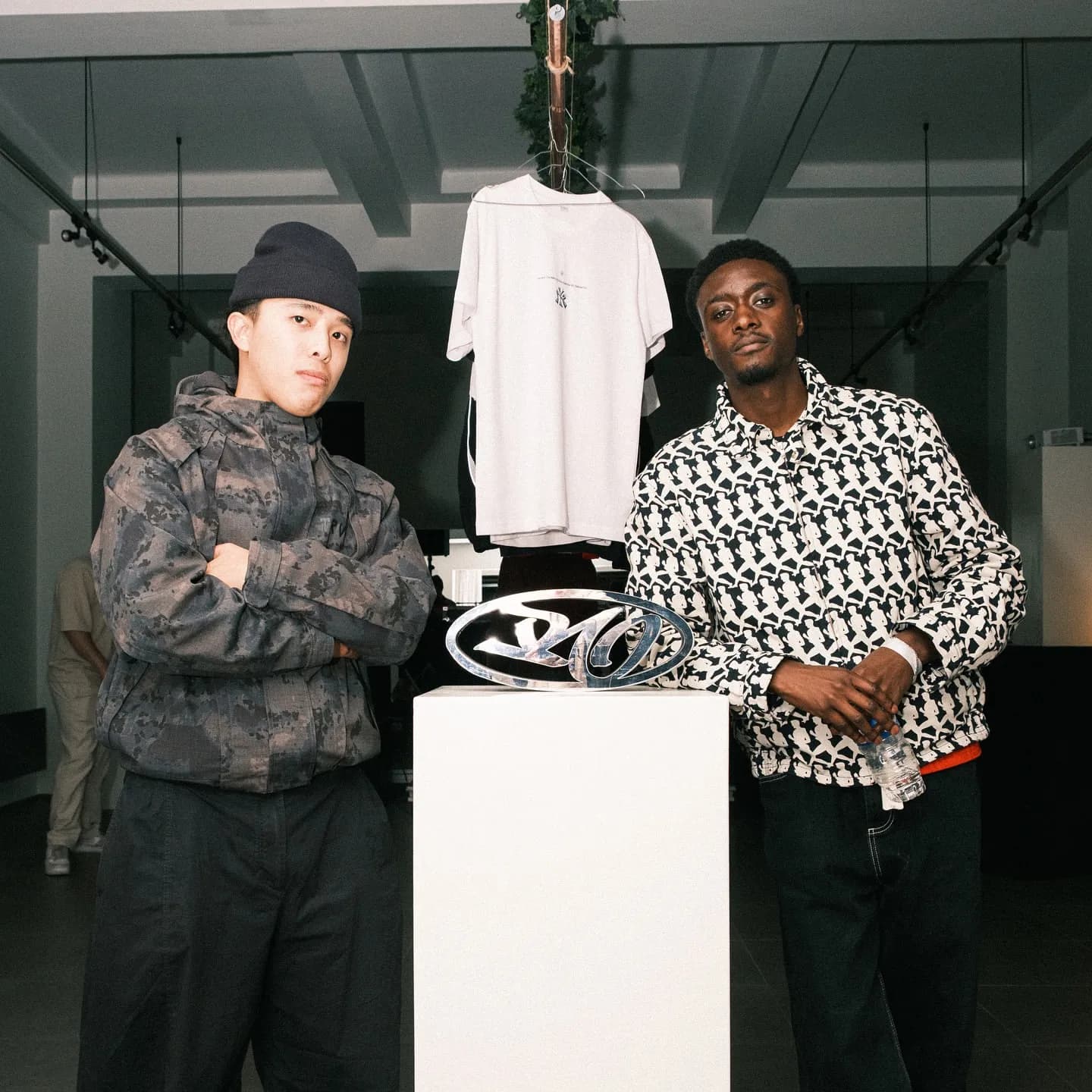
Exhibition 8500: the R/K2 launch at Wonder Festival in Kortrijk
On 16 October 2025 R/K2 launched with Exhibition 8500 at Wonder Festival in Kortrijk: more than 250 people, the short film Reflect To Grow, live music and DJs.
05 / By Minh Tri Ha / 2 min read
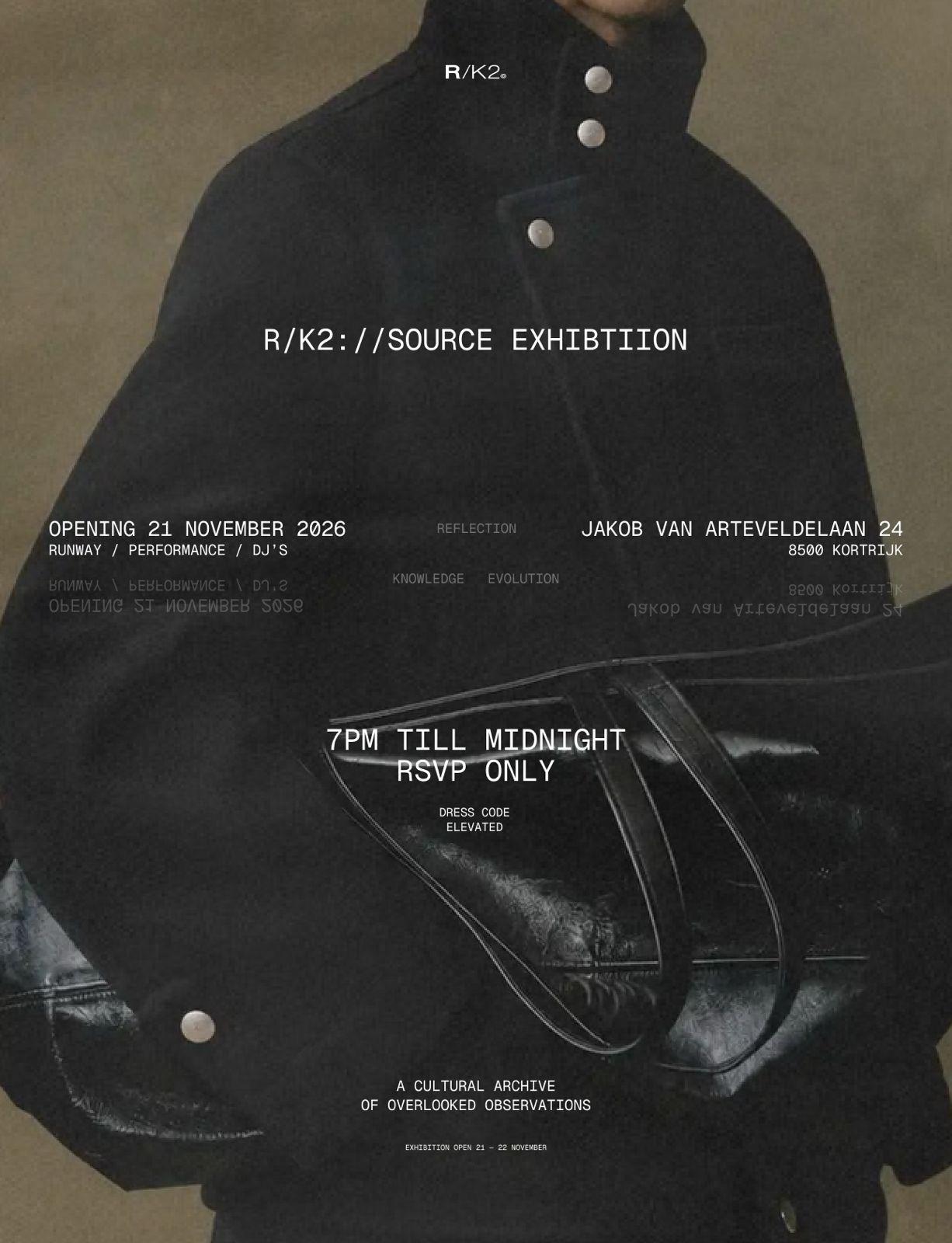
R/K2://SOURCE Exhibition: two days inside the archive in Kortrijk
R/K2://SOURCE is a two-day exhibition at 4N20 in Kortrijk on 21 and 22 November 2026: a runway presentation, live performance, DJs and the archive.
06 / By Minh Tri Ha / 3 min read
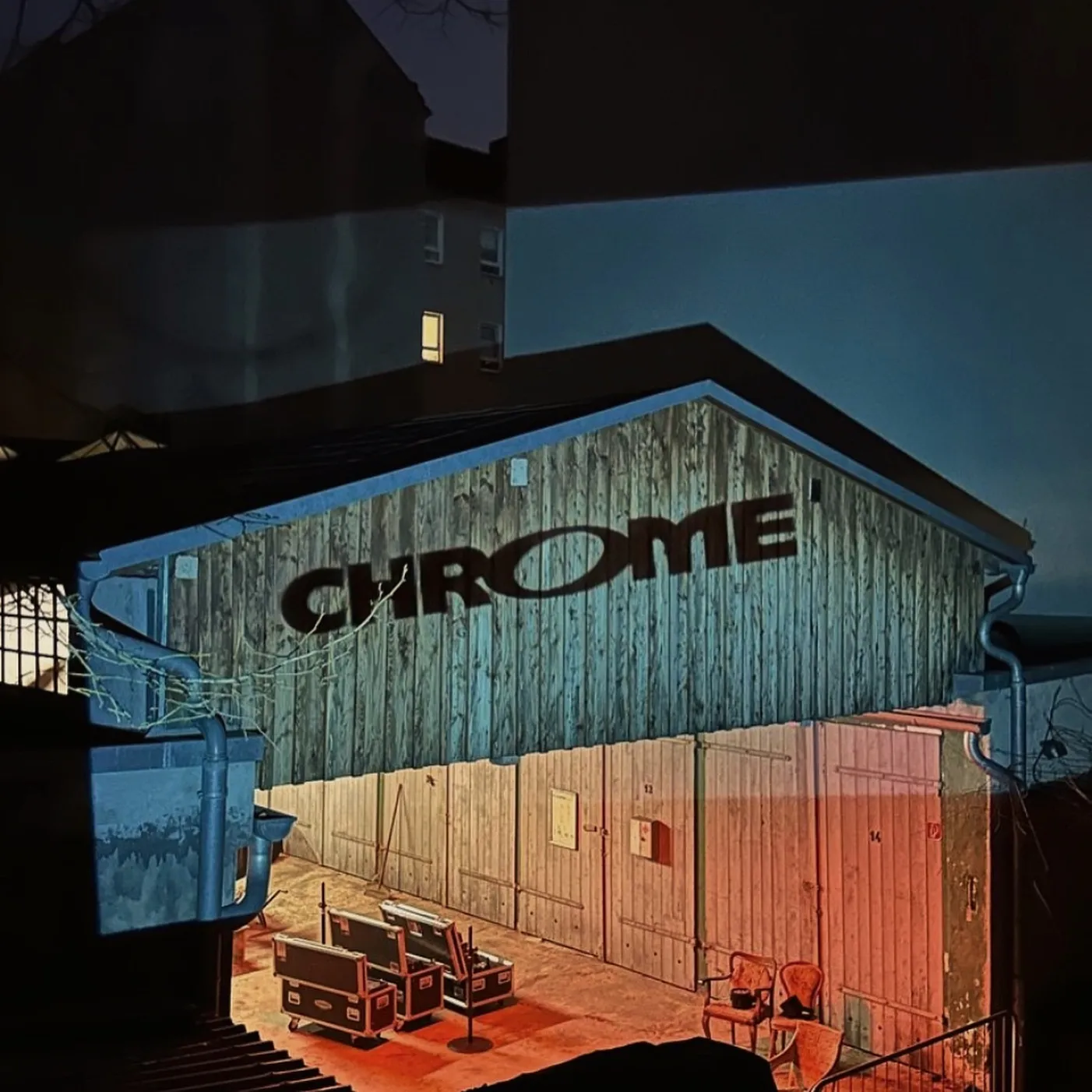
Four months at Chrome Mag Berlin: design, video and creative direction
Minh Tri Ha on his internship at Chrome Mag in Berlin: a magazine, a TV logo, shoots with OBEY, Mark Forster and Ski Aggu, and a first pop-up store.
07 / By Minh Tri Ha / 2 min read
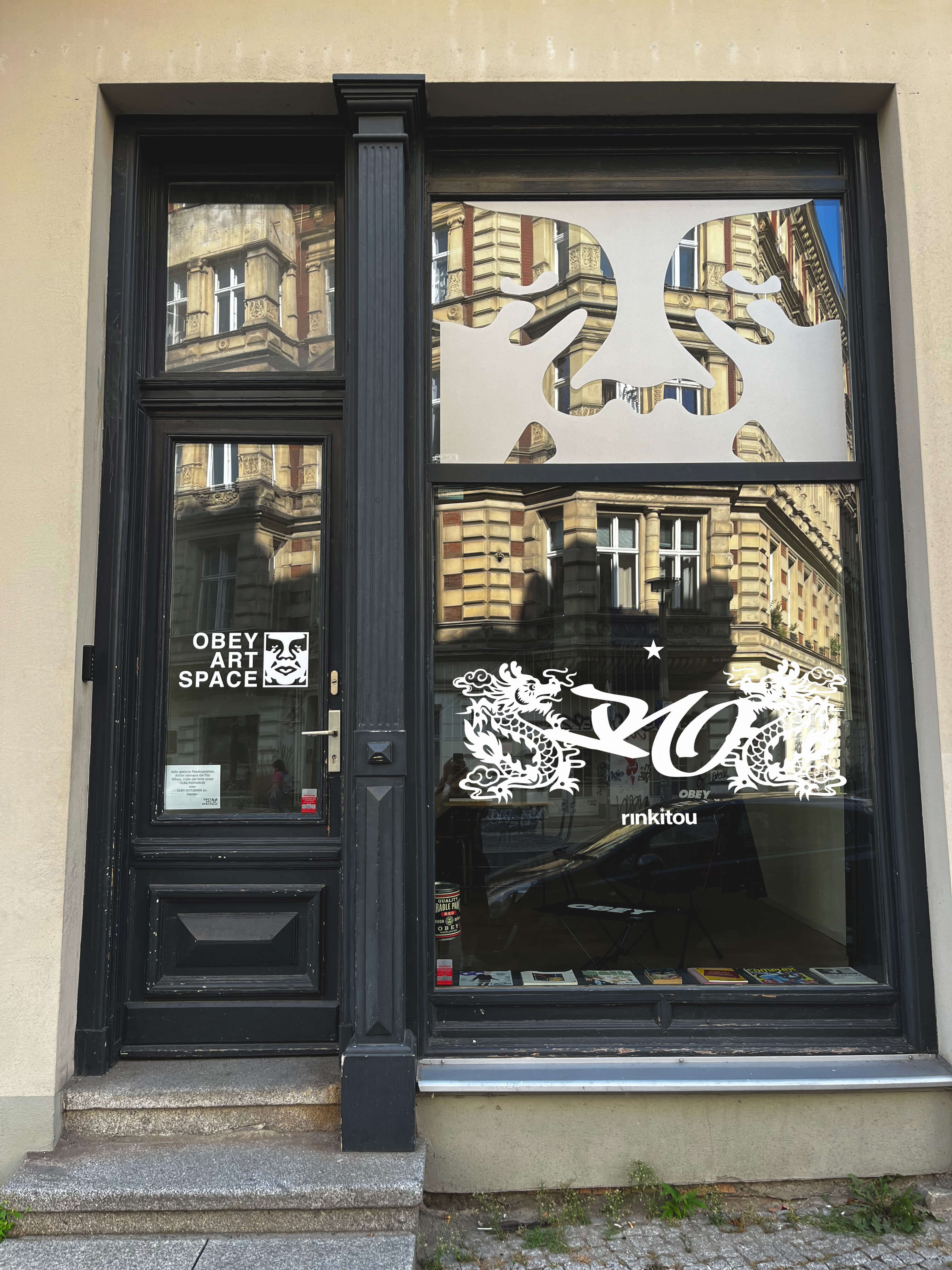
R/K2 x OBEY: a pop-up store at OBEY Art Space Berlin
How R/K2 opened its first pop-up store with OBEY Art Space in Berlin in 2024: a collaboration built around print.
08 / By Minh Tri Ha / 1 min read
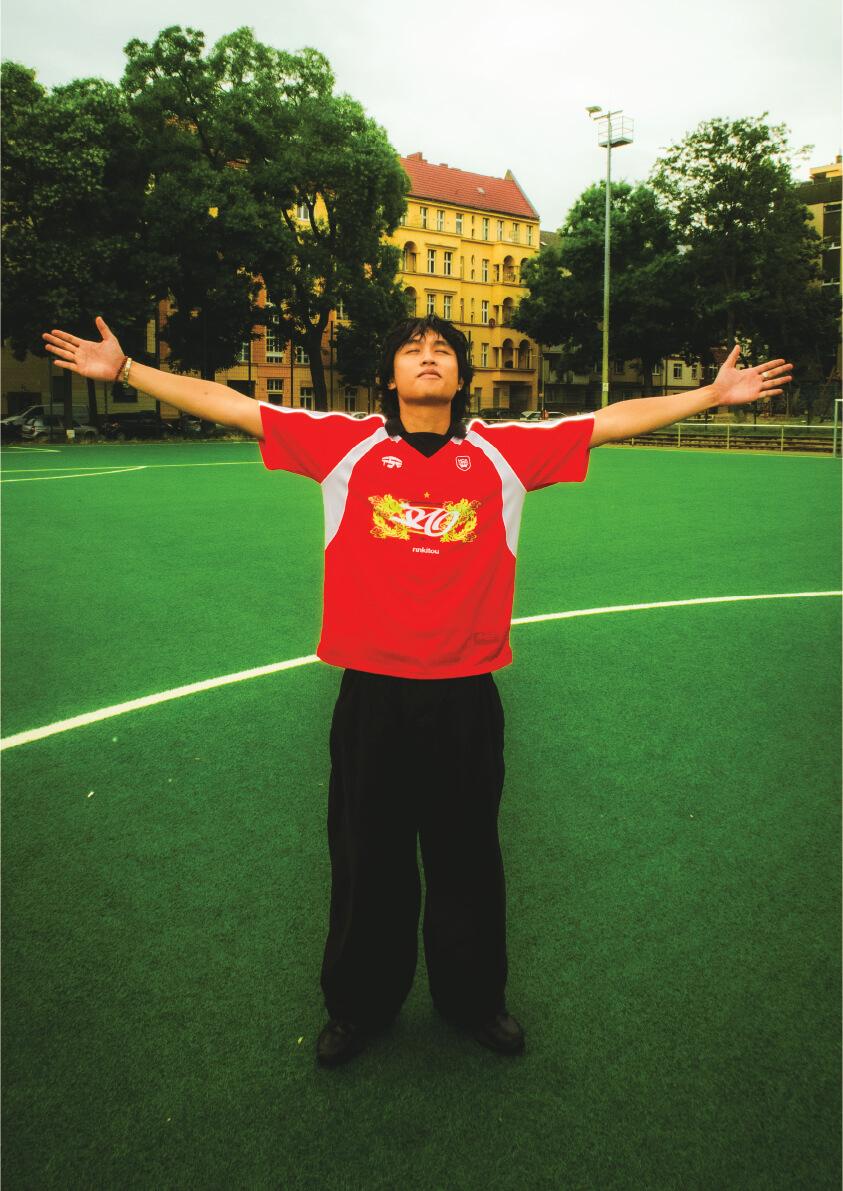
Capsule S24: the R/K2 jerseys, shot in Berlin
Capsule S24 was a run of red R/K2 football jerseys, made and shot in Berlin in the summer of 2024 together with young creatives and a giant football.

09 / By Minh Tri Ha / 3 min read
How R/K2 works as an archive: clothing, film, photography and objects
R/K2 is a fashion label that works as a cultural archive: how it documents the overlooked and turns it into clothing, film, photography and exhibitions.

10 / By Minh Tri Ha / 2 min read
R/K2 in photography and film: shoots, short films and exhibitions
The photography and film work of R/K2, the fashion label from Kortrijk: the short film Reflect To Grow, Capsule S24 in Berlin, Tracksuit Chronicles and more.
11 / By Minh Tri Ha / 6 min read
Belgian clothing brands: from the Antwerp Six to independent labels
Belgian clothing brands in one guide: the Antwerp Six, Margiela and Raf Simons, everyday labels, Delvaux and Natan, and independent minimal labels like R/K2.

12 / By Minh Tri Ha / 6 min read
Belgian menswear brands: 14 labels for men, and what to buy
Belgian menswear brands for men who buy to keep: designer labels, tailoring, everyday labels and independents, with a comparison table and fit notes.
13 / By Minh Tri Ha / 8 min read
Belgian fashion designers: from the Antwerp Six to now
A short guide to Belgian fashion designers: the Antwerp Six, Martin Margiela, Raf Simons and the generations after them, and why Belgium still matters.
14 / By Minh Tri Ha / 2 min read
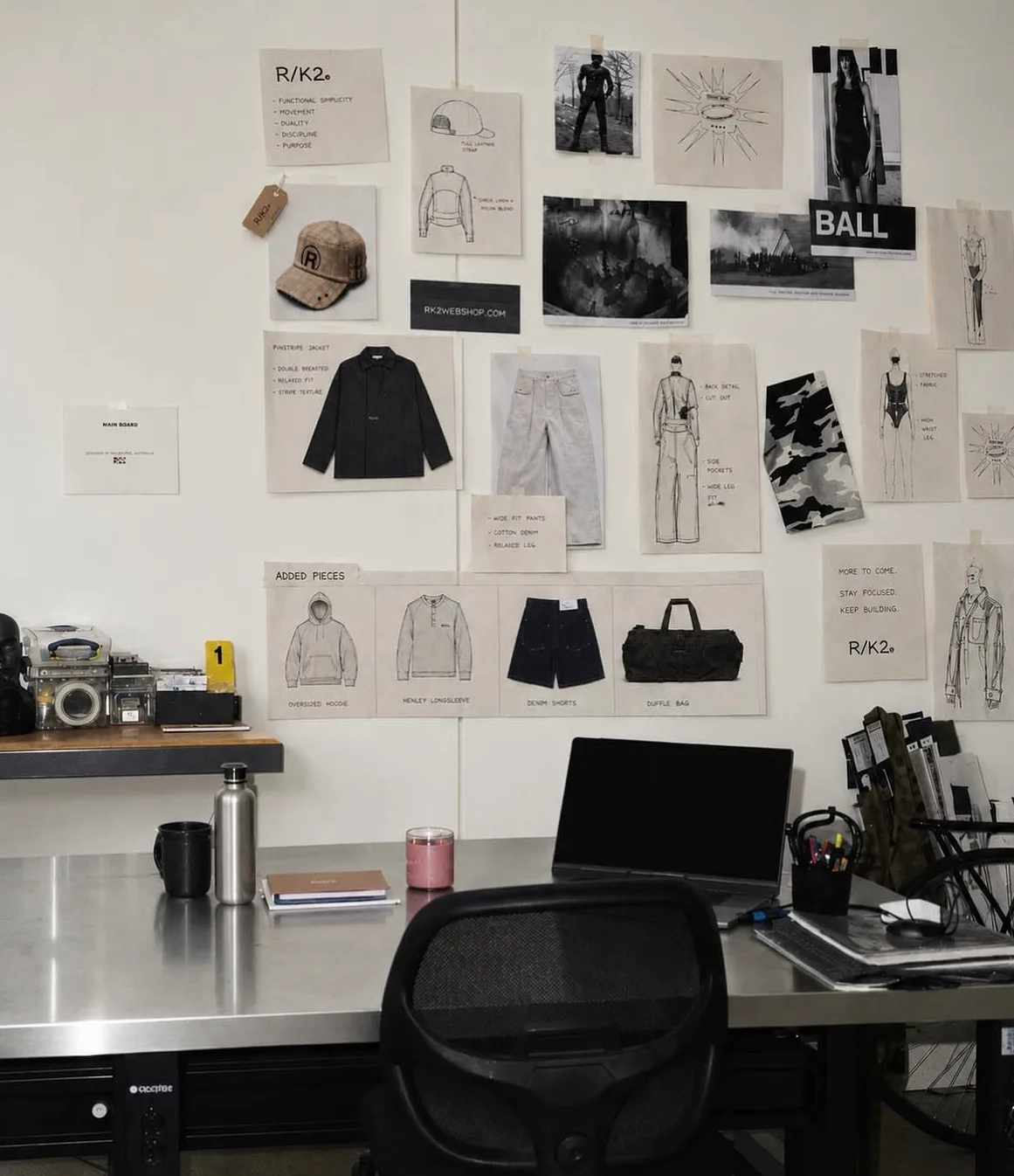
Where R/K2 sits among minimal European labels
R/K2 next to Lemaire, Jil Sander, Ann Demeulemeester, Our Legacy, Han Kjøbenhavn and Arte Antwerp: founding year, city and what each label is known for.
15 / By Minh Tri Ha / 6 min read
Capsule wardrobe: the minimalist wardrobe essentials, piece by piece
How many pieces a capsule wardrobe needs, a checklist of minimalist wardrobe essentials, a neutral palette and cost per wear, in tables you can use.
16 / By Minh Tri Ha / 8 min read
How to choose a leather jacket: a complete buying guide
How to choose a leather jacket: lambskin vs cowhide, full grain vs genuine leather, fit, lining, hardware, price and ageing, with a checklist for the shop.
17 / By Minh Tri Ha / 8 min read
Japanese denim vs regular denim: the difference, and is it worth it?
Japanese denim vs regular denim: shuttle looms, selvedge, rope dyeing, slub yarns, weight in oz, raw or washed, fades, price and how to choose a fit.
18 / By Minh Tri Ha / 7 min read
Heavyweight t-shirts: how to choose the GSM, cotton and fit
What is a good GSM for a t-shirt? A buying guide to heavyweight tees: weight table, combed vs carded cotton, collar, fit, shrinkage, drape and price.
19 / By Minh Tri Ha / 6 min read
Limited drops: how they work and how not to miss one
What a limited clothing drop is, why brands release in small runs, and practical steps to get the piece and size you want before it sells out.
20 / By Minh Tri Ha / 6 min read
How to wash and care for heavyweight cotton and rib knits
What gsm means and how to wash, dry and store heavyweight cotton t-shirts and rib knits so they keep their shape, colour and fit for years.
21 / By Minh Tri Ha / 6 min read
How to care for a leather jacket: cleaning, rain and storage
How to clean, condition, dry and store a leather jacket so it lasts for years: what to do after rain, how often to condition and what never to do.
22 / By Minh Tri Ha / 5 min read
How to wash and care for Japanese denim
How to wash Japanese and selvedge denim: how often, at what temperature, how to dry it, how to handle shrinkage and indigo transfer, and how to store it.


