Capsule wardrobe: the minimalist wardrobe essentials, piece by piece
A capsule wardrobe is a small set of clothes, usually 25 to 35 pieces, that all work together, so every top goes with every pair of trousers and every outer layer. The idea is simple: fewer pieces, chosen with care, worn often. This guide covers how many pieces you need, the core pieces, the colours, how to judge quality and why cost per wear matters more than the price tag.
What a capsule wardrobe is
The term is usually credited to Susie Faux, who ran a London boutique in the 1970s and advised clients to build around a few lasting pieces and add to them each season. In 1985 Donna Karan showed Seven Easy Pieces, a small set of garments meant to be combined into a full wardrobe. The idea has stayed the same since: a short list of pieces that combine with each other, instead of a full rail of clothes that do not.
A capsule wardrobe is not the same as a capsule collection, which is a small, focused release by a label. One is how you dress, the other is how a label publishes. They meet in one place: both choose a few pieces with care rather than many at random.
How many pieces you need
There is no fixed number. Most approaches land between 25 and 40 pieces per season. What matters more than the count is that the pieces combine: a useful rule is that every piece should work with at least three others.
Underwear, socks, sleepwear and sports kit usually do not count. Whether shoes, bags and jewellery count depends on the method you follow.
| Approach | Pieces | What counts | Good for |
|---|---|---|---|
| Strict core | 10 to 15 | Clothing only | A clear start, travel, small spaces |
| Project 333 | 33 for three months | Clothing, shoes, accessories, jewellery | Testing the idea with a firm limit |
| Seasonal capsule | 25 to 40 per season | Clothing and shoes | Most people, with a real climate |
| Year round core | 30 to 50 in total | Clothing, layered across seasons | Mild climates, a settled style |
The core pieces: a checklist
These are the pieces most capsule wardrobes are built on. They are gender neutral by nature: what changes from person to person is the cut and the silhouette, not the list. Start with what you already own and only fill the gaps.
| Piece | How many | What to look for | Why it earns its place |
|---|---|---|---|
| Leather jacket | 1 | Full-grain leather, a clean cut, solid hardware | Wears for years and gains a patina |
| Coat | 1 | Wool or a dense weave, a length that covers a jacket | The one layer for cold and rain |
| Tailored trousers | 1 to 2 | A fabric with good drape, a clear crease, pleats if you like room | Make a tee look considered |
| Jeans | 1 to 2 | Japanese denim, often selvedge | Fades to your own wear pattern |
| Heavyweight tees | 3 to 5 | Heavyweight cotton, from about 240 gsm | Hold their shape, layer under everything |
| Knitwear | 2 to 3 | Rib knits or merino wool | Warmth without bulk under a jacket |
| Shirt | 1 to 2 | A fabric you can wear open or closed | Bridges casual and formal |
| Tailored jacket | 0 to 1 | Tailoring that works without matching trousers | Covers every formal occasion |
| Shoes | 2 to 3 | One clean pair, one sturdy pair, one dressed pair | Shoes decide how far an outfit goes |
| Bag and accessories | 1 to 3 | One everyday bag, one beanie or scarf | Finish an outfit without adding pieces |
Choose a neutral palette
Colour is what makes a small wardrobe combine. Pick two base colours, such as black and grey, or navy and ecru, and add white. Most pieces sit in those colours. Then allow one or two accents that work with all of them.
A common split is 80/20: about 80 percent quiet pieces that combine with everything, and 20 percent pieces with more character. The quiet part is what you wear every day. The other part keeps it personal. Texture does a lot of the work that colour does elsewhere: leather, denim, a rib knit and a smooth cotton in the same colour already read as four different things.
Fewer, better: how to judge quality
Buying fewer pieces only works when each one lasts. Quality is not a logo or a price; it is a set of things you can check in a shop or on a product page.
Fabric first. Check the weight of a tee in gsm, the type of leather on a jacket, the origin and weight of denim. Then construction: dense, even stitching, seams that lie flat, a hem that does not twist. Then fit. A piece that fits well gets worn; a piece that almost fits stays on the rail, however good it is.
Care is part of quality too. Heavyweight cotton keeps its shape when you wash it the right way, a leather jacket needs a little care a few times a year, and Japanese denim rewards washing it rarely.
Cost per wear
Cost per wear is the price of a piece divided by the number of times you wear it. It turns the question from what does this cost into what does this cost me each time I put it on. A cheap piece worn a few times is often the expensive choice.
The figures below are examples, not prices of specific products. They show how the sums work.
| Piece | Price | Times worn | Cost per wear |
|---|---|---|---|
| Fast fashion tee | €15 | 10 | €1.50 |
| Heavyweight tee | €90 | 150 | €0.60 |
| Fast fashion jacket | €120 | 25 | €4.80 |
| Full-grain leather jacket | €900 | 500 over ten years | €1.80 |
Slow fashion vs fast fashion
Fast fashion is built on volume: many new styles, low prices and short use. The Ellen MacArthur Foundation reported in 2017 that the average number of times a garment is worn fell by about a third over fifteen years. Slow fashion turns that around: fewer pieces, made with more care, kept and repaired for longer.
A capsule wardrobe is slow fashion in practice. You do not need to follow a movement to do it. You only need to buy less often and choose better when you do.
| Fast fashion | Slow fashion | |
|---|---|---|
| Rhythm | New styles every few weeks | Fewer releases, small runs |
| Materials | Light fabrics, blends | Dense cotton, leather, wool, denim |
| Life of a piece | A season or less | Years, often with repair |
| Cost per wear | High, because wear is low | Low, because wear is high |
| After use | Mostly discarded | Kept, passed on or resold |
Build it in five steps
One: take everything out and keep what you wore in the last year and still like. Two: sort what is left by the checklist above and mark the gaps. Three: fix the palette before you buy anything. Four: fill one gap at a time, starting with the piece you would wear most. Five: review at the start of each season and replace only what is worn out or no longer worn.
Do not replace your wardrobe in one go. A capsule built over a year is better than one bought in a weekend, because every piece is tested against the rest.
Where R/K2 fits
R/K2 is an independent, minimal label from Belgium, founded in 2022 by Minh Tri Ha. It makes the pieces most capsules are built on, in small runs: leather, tailoring, Japanese denim, heavyweight tees and rib knits. Each piece is made once and moves into the archive when it is gone, which suits a wardrobe that grows slowly.
The Ironline Leather Jacket is a black leather jacket. The Threshold Denim is a relaxed wide straight cut in Japanese denim, and the Pinstripe Pants have a pleated front. The Essential Tee is a 2x2 rib knit at around 300 gsm, and the Frame Collar Knit comes in blue and black. See every piece in the shop, or read how R/K2 compares to other minimal European labels and what archive fashion means.
Articles
Questions
Most capsule wardrobes have 25 to 40 pieces per season, not counting underwear, socks and sports kit. A strict core can be 10 to 15 pieces. The number matters less than whether every piece combines with at least three others.
Pieces in this article


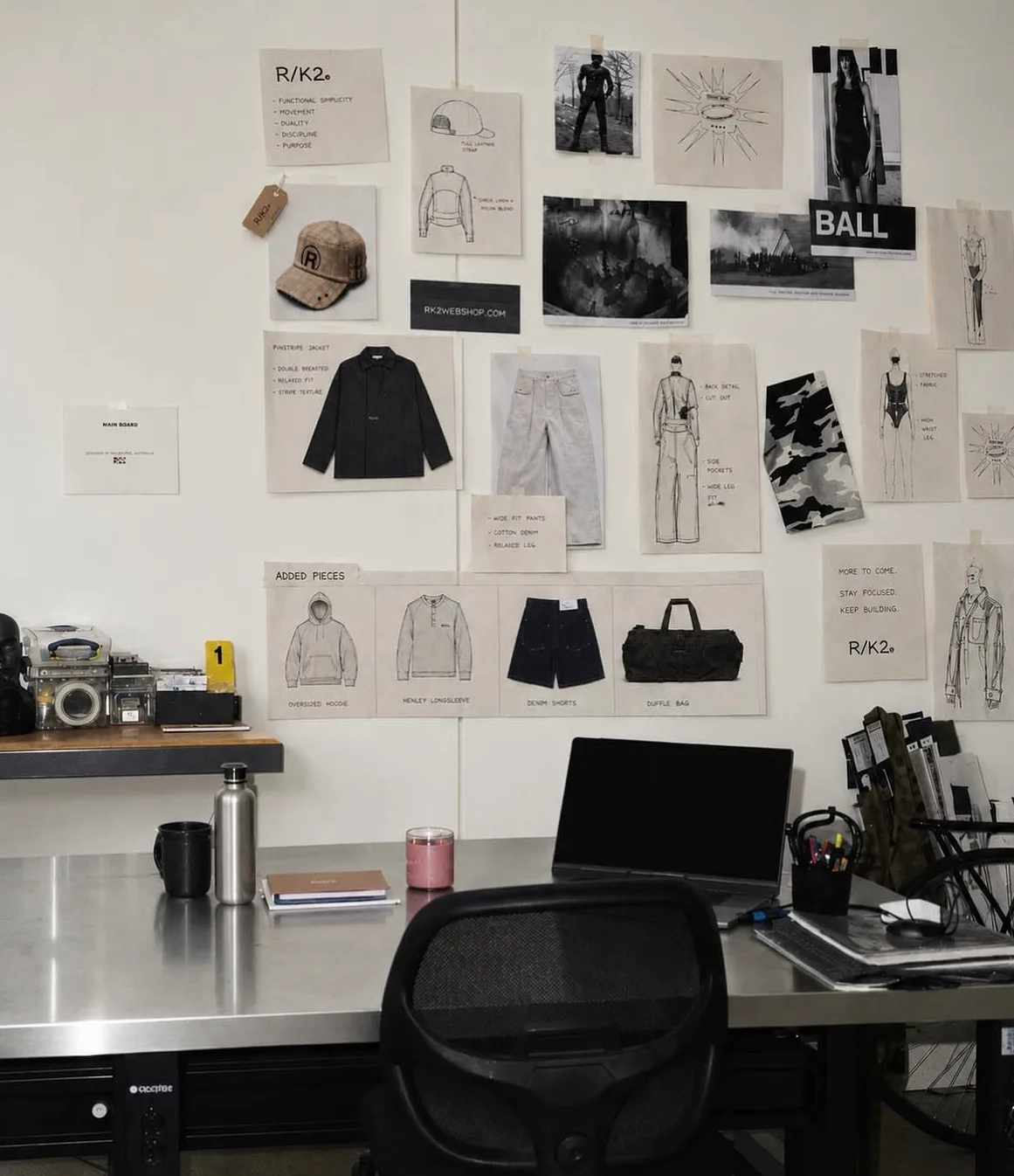
01 / By Minh Tri Ha / 2 min read
Where R/K2 sits among minimal European labels
R/K2 next to Lemaire, Jil Sander, Ann Demeulemeester, Our Legacy, Han Kjøbenhavn and Arte Antwerp: founding year, city and what each label is known for.
02 / By Minh Tri Ha / 6 min read
How to wash and care for heavyweight cotton and rib knits
What gsm means and how to wash, dry and store heavyweight cotton t-shirts and rib knits so they keep their shape, colour and fit for years.
03 / By Minh Tri Ha / 6 min read
What is archive fashion? A clear guide
What archive fashion means, how it differs from vintage, why provenance matters and how to start collecting archive pieces without overpaying.
04 / By Peter Lanssens, HLN / 2 min read
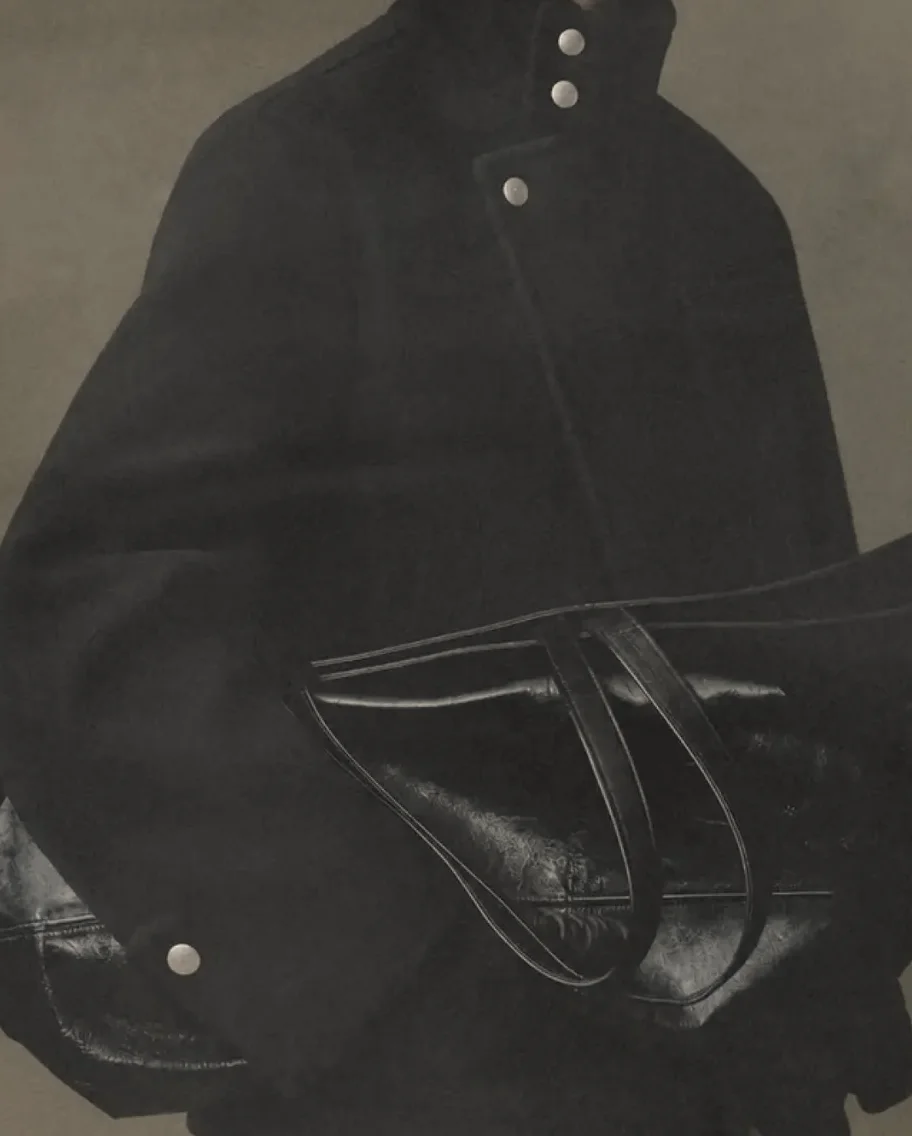
R/K2 in HLN: 500 visitors expected for R/K2://SOURCE in Kortrijk
HLN on R/K2://SOURCE: a runway show of the new winter collection at 4N20 in Kortrijk on 21 November 2026, with about 500 visitors expected.
05 / By Minh Tri Ha / 2 min read
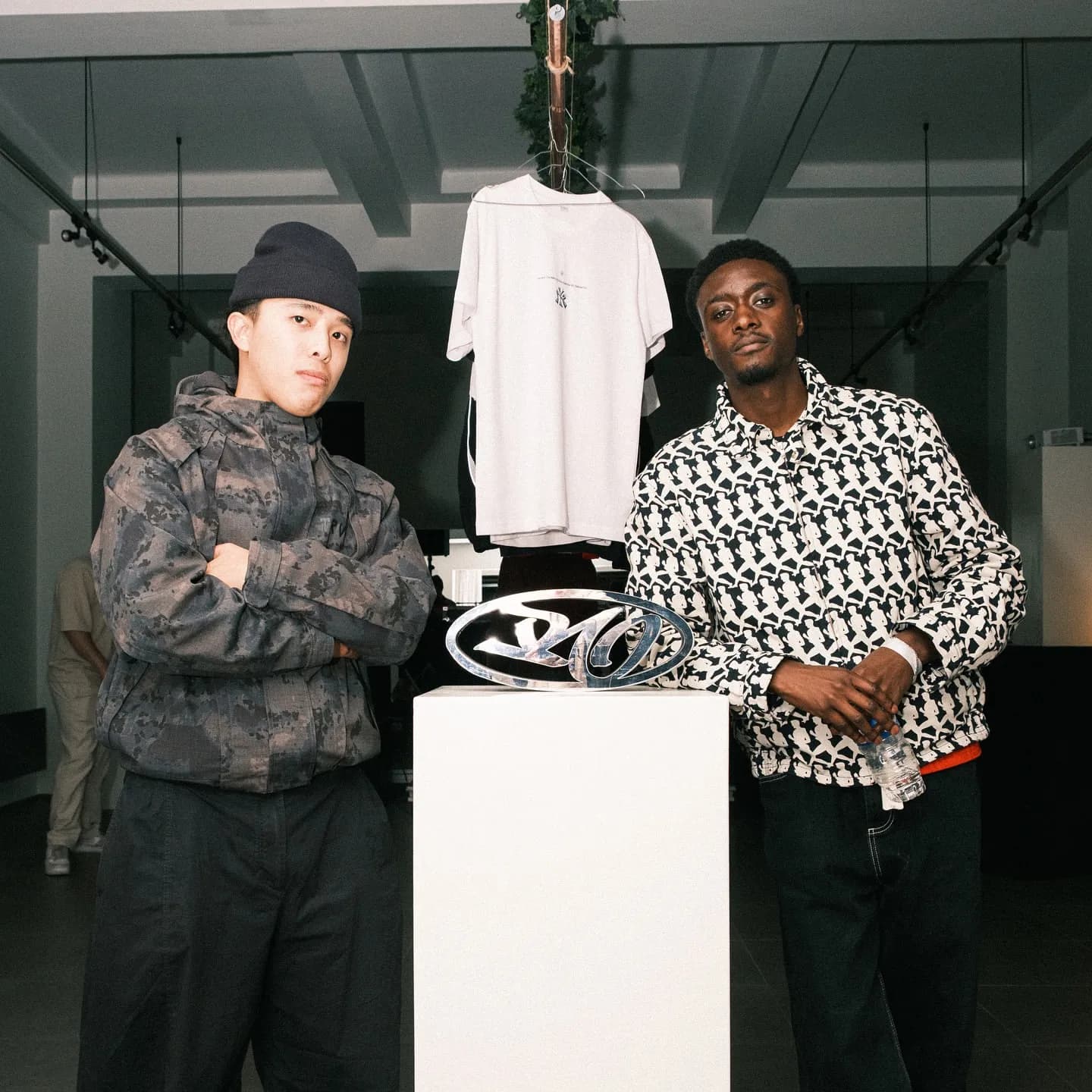
Exhibition 8500: the R/K2 launch at Wonder Festival in Kortrijk
On 16 October 2025 R/K2 launched with Exhibition 8500 at Wonder Festival in Kortrijk: more than 250 people, the short film Reflect To Grow, live music and DJs.
06 / By Minh Tri Ha / 2 min read
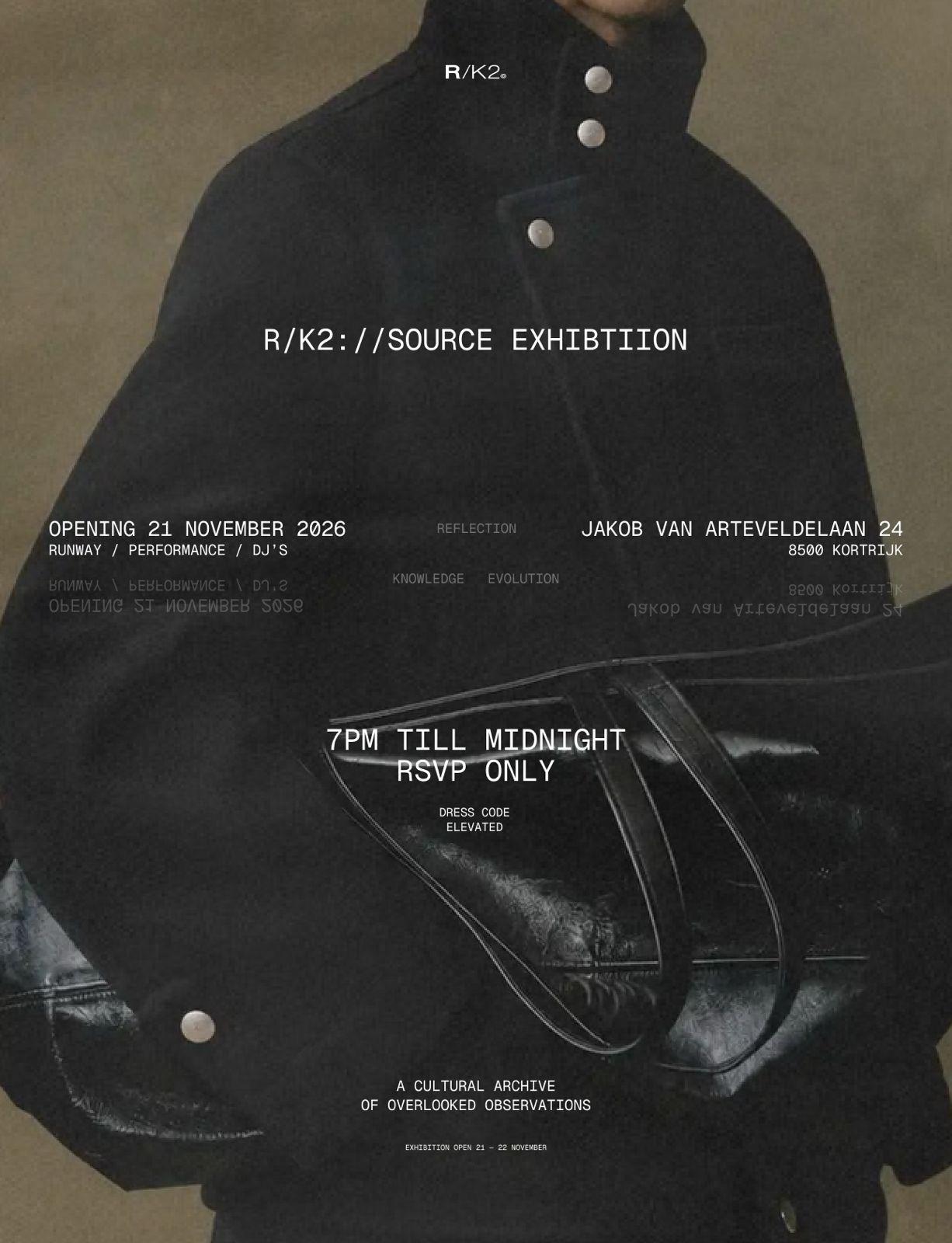
R/K2://SOURCE Exhibition: two days inside the archive in Kortrijk
R/K2://SOURCE is a two-day exhibition at 4N20 in Kortrijk on 21 and 22 November 2026: a runway presentation, live performance, DJs and the archive.
07 / By Minh Tri Ha / 3 min read
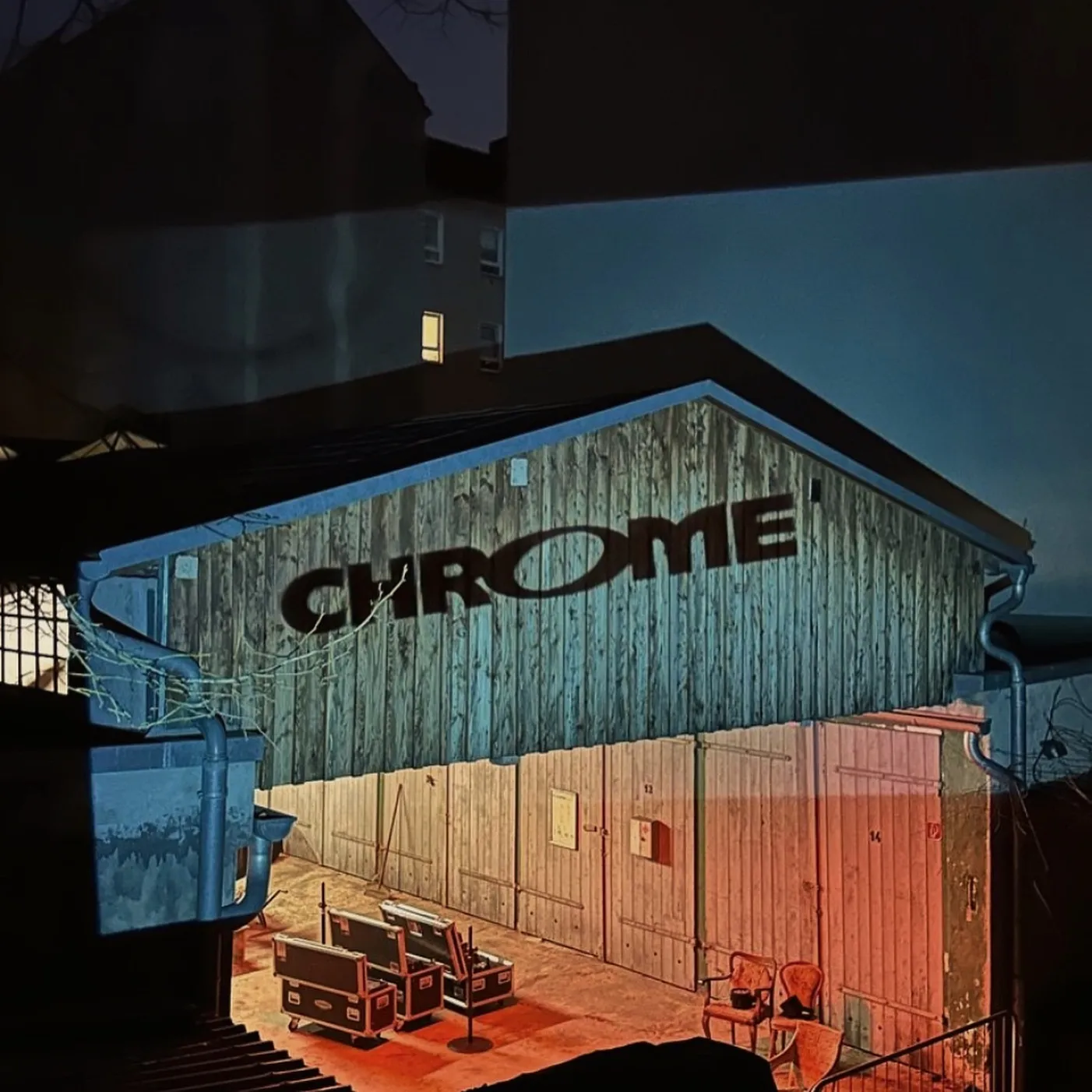
Four months at Chrome Mag Berlin: design, video and creative direction
Minh Tri Ha on his internship at Chrome Mag in Berlin: a magazine, a TV logo, shoots with OBEY, Mark Forster and Ski Aggu, and a first pop-up store.
08 / By Minh Tri Ha / 2 min read
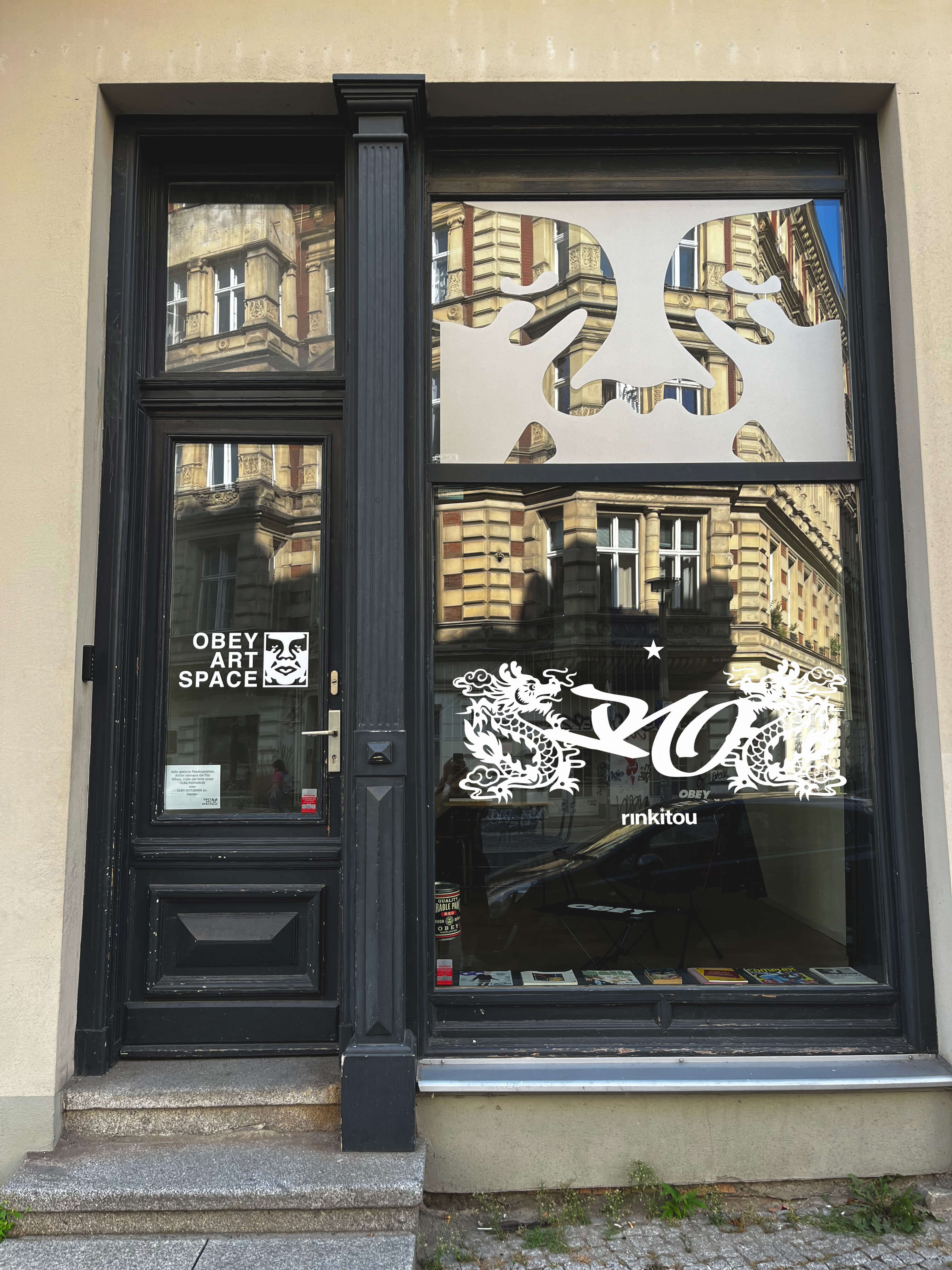
R/K2 x OBEY: a pop-up store at OBEY Art Space Berlin
How R/K2 opened its first pop-up store with OBEY Art Space in Berlin in 2024: a collaboration built around print.
09 / By Minh Tri Ha / 1 min read
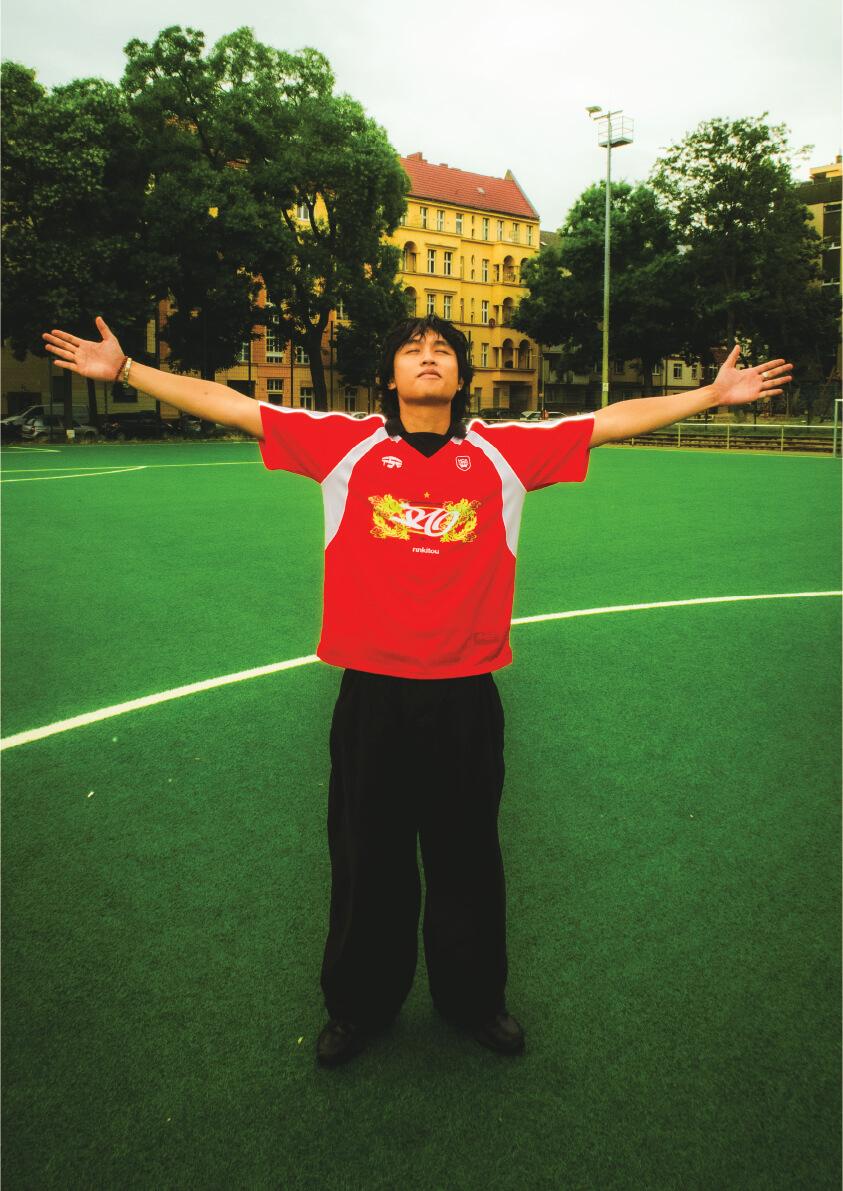
Capsule S24: the R/K2 jerseys, shot in Berlin
Capsule S24 was a run of red R/K2 football jerseys, made and shot in Berlin in the summer of 2024 together with young creatives and a giant football.

10 / By Minh Tri Ha / 3 min read
How R/K2 works as an archive: clothing, film, photography and objects
R/K2 is a fashion label that works as a cultural archive: how it documents the overlooked and turns it into clothing, film, photography and exhibitions.
11 / By Minh Tri Ha / 2 min read
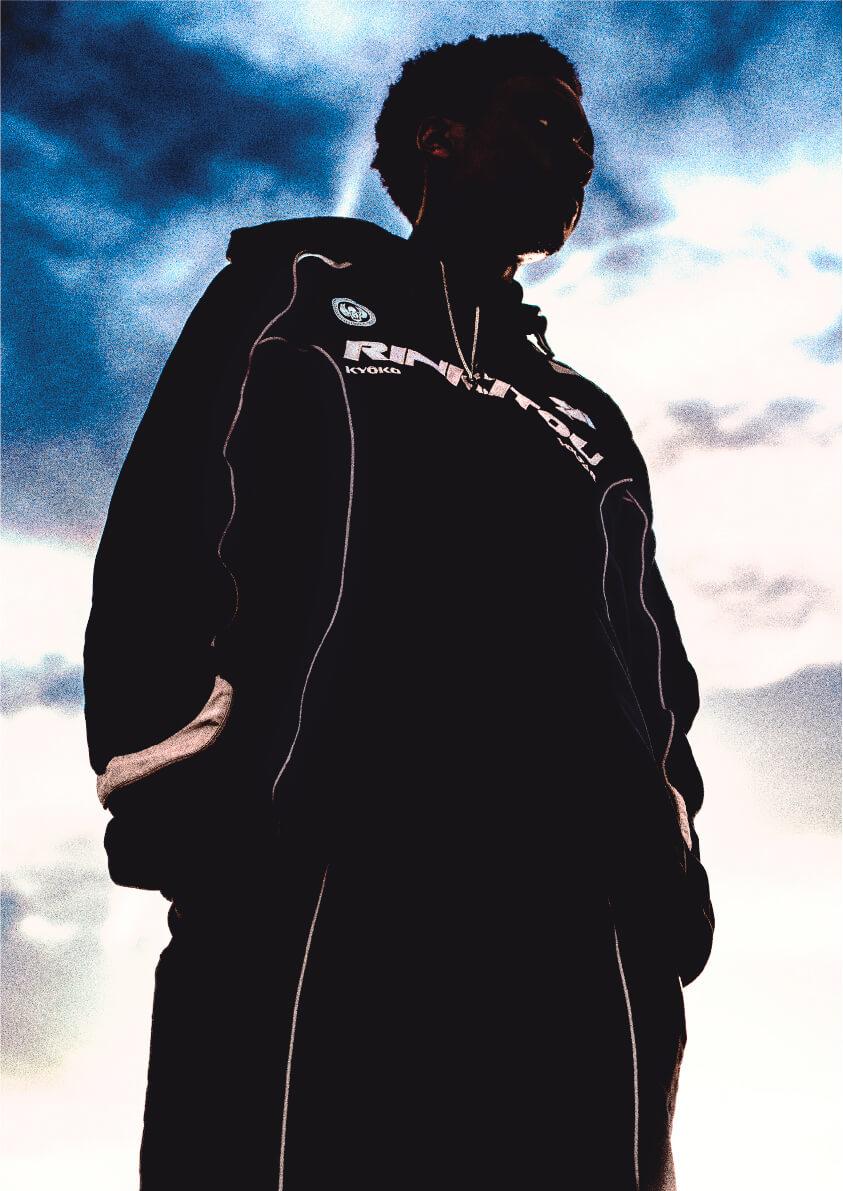
R/K2 in photography and film: shoots, short films and exhibitions
The photography and film work of R/K2, the fashion label from Kortrijk: the short film Reflect To Grow, Capsule S24 in Berlin, Tracksuit Chronicles and more.
12 / By Minh Tri Ha / 2 min read
R/K2 OS: the system I built behind the brand
R/K2 OS is the internal system Minh Tri Ha built for R/K2: collections, tech packs, production, shoots, fits, events and RSVPs in one place.
13 / By Minh Tri Ha / 3 min read
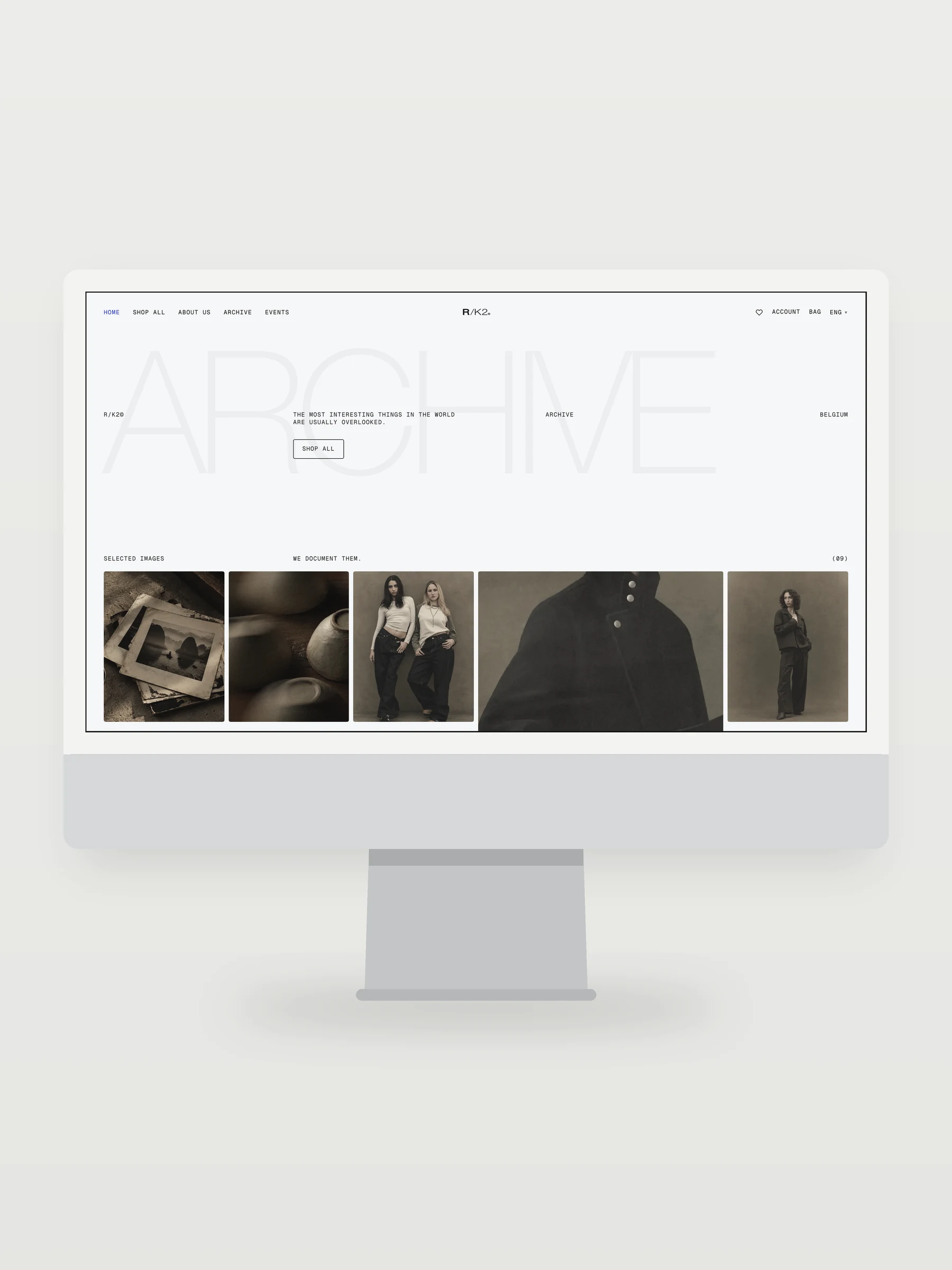
Building the R/K2 webshop: a headless Shopify store in Next.js
Why Minh Tri Ha built the R/K2 webshop himself as a headless store: Next.js on the front, Shopify as the backend, and what that gives the brand.
14 / By Minh Tri Ha / 6 min read
Belgian clothing brands: from the Antwerp Six to independent labels
Belgian clothing brands in one guide: the Antwerp Six, Margiela and Raf Simons, everyday labels, Delvaux and Natan, and independent minimal labels like R/K2.
15 / By Minh Tri Ha / 6 min read
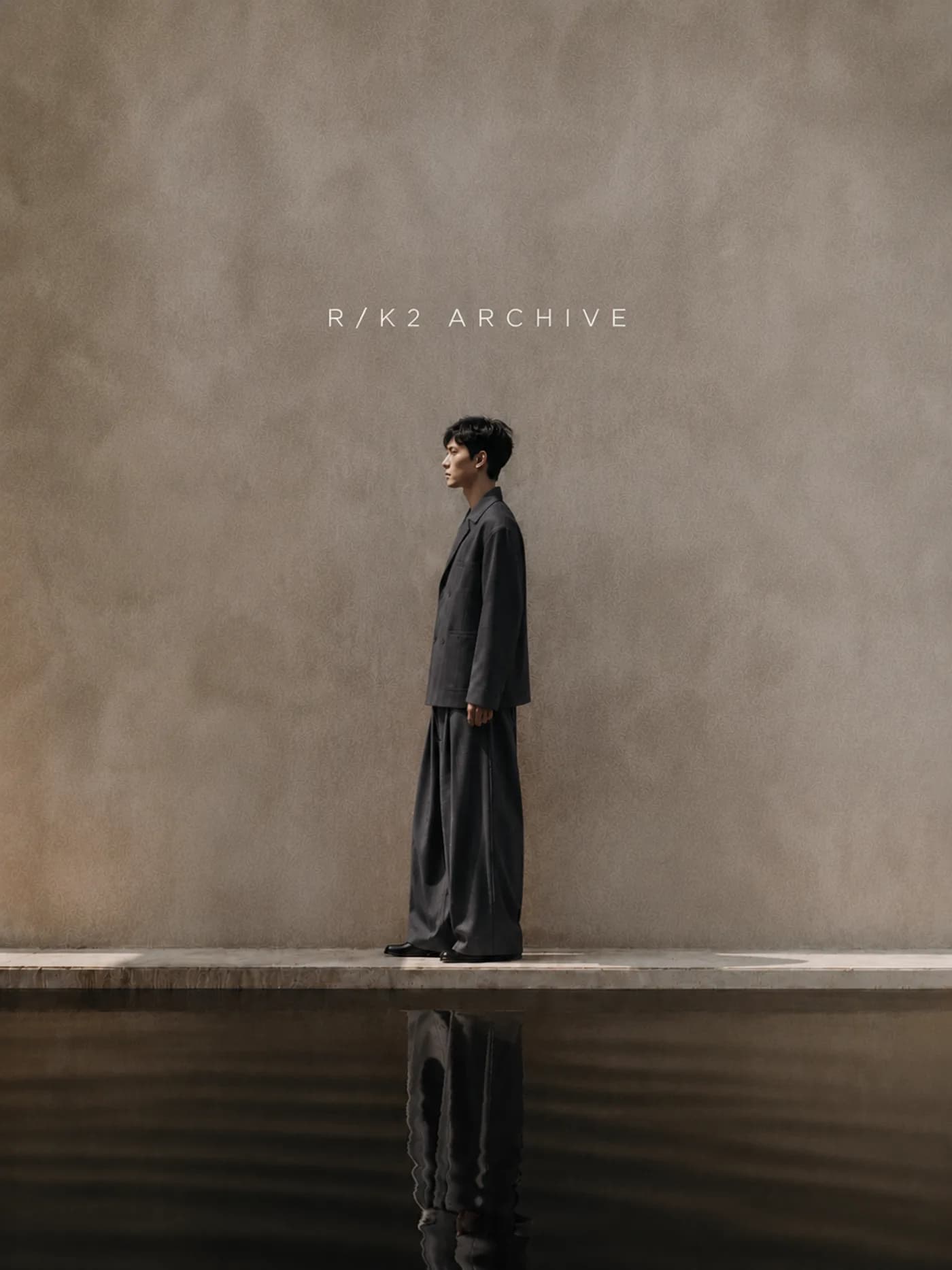
Belgian menswear brands: 14 labels for men, and what to buy
Belgian menswear brands for men who buy to keep: designer labels, tailoring, everyday labels and independents, with a comparison table and fit notes.
16 / By Minh Tri Ha / 8 min read
Belgian fashion designers: from the Antwerp Six to now
A short guide to Belgian fashion designers: the Antwerp Six, Martin Margiela, Raf Simons and the generations after them, and why Belgium still matters.
17 / By Minh Tri Ha / 8 min read
How to choose a leather jacket: a complete buying guide
How to choose a leather jacket: lambskin vs cowhide, full grain vs genuine leather, fit, lining, hardware, price and ageing, with a checklist for the shop.
18 / By Minh Tri Ha / 8 min read
Japanese denim vs regular denim: the difference, and is it worth it?
Japanese denim vs regular denim: shuttle looms, selvedge, rope dyeing, slub yarns, weight in oz, raw or washed, fades, price and how to choose a fit.
19 / By Minh Tri Ha / 7 min read
Heavyweight t-shirts: how to choose the GSM, cotton and fit
What is a good GSM for a t-shirt? A buying guide to heavyweight tees: weight table, combed vs carded cotton, collar, fit, shrinkage, drape and price.
20 / By Minh Tri Ha / 6 min read
Limited drops: how they work and how not to miss one
What a limited clothing drop is, why brands release in small runs, and practical steps to get the piece and size you want before it sells out.
21 / By Minh Tri Ha / 6 min read
How to care for a leather jacket: cleaning, rain and storage
How to clean, condition, dry and store a leather jacket so it lasts for years: what to do after rain, how often to condition and what never to do.
22 / By Minh Tri Ha / 5 min read
How to wash and care for Japanese denim
How to wash Japanese and selvedge denim: how often, at what temperature, how to dry it, how to handle shrinkage and indigo transfer, and how to store it.


