Heavyweight t-shirts: how to choose the GSM, cotton and fit
A good heavyweight t-shirt weighs about 220 to 300 gsm, is knitted from combed, ring spun cotton in a dense jersey, has a firm ribbed collar and is pre-shrunk, so it keeps its shape and falls straight instead of clinging. Weight is the number everyone quotes, but it is only the first of six things to check. This guide goes through each of them, with a table of weights, so you can judge a tee from its product page and in your hands.
What makes a t-shirt heavyweight
There is no official threshold. Fabric weight is given in gsm, grams per square metre, and a standard t-shirt sits around 150 to 180 gsm. Most makers start calling a tee heavyweight from about 200 gsm, and the tees people mean when they search for one are usually between 220 and 300 gsm.
In the United States weight is often given in ounces per square yard. One ounce is roughly 34 gsm, so a 6 oz tee is about 200 gsm and an 8 oz tee about 270 gsm. Some brands give the weight of the yarn or of the finished garment instead, which is why two labels with the same number can feel very different. When a product page lists no weight at all, ask.
Heavyweight cotton is not only about warmth. More fibre per square metre means the fabric is less see-through, holds a cut better and has more to wear through before it thins.
What GSM to look for
Choose the weight for the season and the silhouette you want. A lighter heavyweight, around 220 to 240 gsm, works all year and under a jacket. From 260 gsm a tee starts to stand away from the body and works on its own as an outer layer in spring and autumn. Above 300 gsm it feels closer to a light sweatshirt.
| GSM | About oz/yd² | Feel | How it falls | Best for |
|---|---|---|---|---|
| Under 150 | Under 4.4 | Thin, soft, often sheer in light colours | Clings, shows the body | Hot weather, layering |
| 150 to 180 | 4.4 to 5.3 | Standard basic | Soft, follows the body | Everyday basics, undershirts |
| 180 to 220 | 5.3 to 6.5 | Midweight, more body | Mostly straight | Year round, under shirts and knits |
| 220 to 260 | 6.5 to 7.7 | Heavyweight, opaque | Straight from the shoulder | Year round, worn on its own |
| 260 to 300 | 7.7 to 8.8 | Dense, structured | Holds its own shape | Boxy cuts, spring and autumn |
| 300 and up | 8.8 and up | Close to a light sweatshirt | Stands away from the body | Cooler months, a tee as outer layer |
Combed vs carded cotton
All cotton is carded: the fibres are brushed open and lined up before spinning. Combed cotton goes through one more step, in which fine combs pull out the short fibres and the last impurities. What remains is longer, more parallel fibre, which spins into a smoother, stronger yarn.
In a t-shirt that shows as a cleaner surface, a softer hand and less pilling. Carded cotton is cheaper and feels a little rougher and drier; in a heavy tee it can give a pleasant, slightly rustic texture, but it tends to fuzz sooner.
The spinning method matters as much. Ring spun yarn is twisted finely and tightly and feels soft and even. Open end yarn is faster and cheaper to make and is common in budget heavy tees, which is why some of them feel stiff and papery despite their weight. A label that says combed and ring spun is a good sign; a heavy tee without either is often a heavy tee in name only.
The knit: jersey, rib and interlock
Most t-shirts are cotton jersey, a single knit that is smooth on the face and looped on the back. A heavyweight jersey is knitted tighter and from a thicker yarn, so it feels dense rather than spongy. Pinch it: good heavy jersey springs back and does not show the light through when you hold it up.
A rib knit has alternating columns of stitches, more stretch and a closer fit. Interlock is a double knit, smooth on both sides, heavier and very opaque for its weight. Each gives a different tee, so look at the knit as well as the number: a 260 gsm jersey and a 260 gsm rib will not drape the same way.
The collar
The collar is where cheap tees fail first. Look for a ribbed collar that is dense and lies flat, usually a 1x1 rib, often with a little elastane so it springs back after you pull the tee over your head. On a heavy body a slightly taller, firmer collar keeps the proportions right; a thin collar on thick jersey looks unfinished.
Turn the tee inside out. A tape over the back neck seam, from shoulder to shoulder, stops the collar from stretching out and covers the seam allowance. Even, twin needle stitching around the collar and at the hem is another sign that time went into the make.
Boxy vs regular fit
Weight and cut work together. A heavy fabric holds a wide, short shape that a light jersey would let collapse, which is why a boxy fit and heavyweight cotton so often come together. A regular fit in heavy jersey looks cleaner and more tailored than the same cut in a thin fabric. A fitted tee in heavy rib follows the body without clinging.
| Fit | Shoulder | Body and length | Weight that suits it |
|---|---|---|---|
| Fitted (often rib) | On the shoulder | Close, standard length | Rib knits with stretch, around 250 to 300 gsm |
| Regular | On the shoulder | Straight, standard length | 200 to 260 gsm jersey |
| Relaxed | Slightly dropped | Wider, standard length | 220 to 280 gsm jersey |
| Boxy | Drop shoulder | Wide and shorter | 260 gsm and up, so the shape holds |
Shrinkage and pre-shrunk fabric
Cotton jersey can shrink, mostly in length and mostly in the first hot wash or tumble dry. A pre-shrunk or compacted fabric has been relaxed during finishing, so it moves only a few percent afterwards. A good size chart is measured on the finished, washed garment.
Check the product page for the word pre-shrunk, and compare the size chart with a tee you already own rather than with your usual size. If a heavy tee is not pre-shrunk, size so that losing a little length would still work. Keeping the shrinkage you have bought to a minimum is a matter of washing cold and skipping the dryer, which our heavyweight cotton care guide covers step by step.
How a good heavyweight tee should drape
Drape is how the fabric falls. A good heavyweight tee falls straight from the shoulder, keeps a clean line over the chest and stomach and does not cling. The hem lies flat instead of waving or curling, and the sleeves sit slightly away from the arm.
Two quick tests. Hold the tee up by the shoulders: the body should hang in a straight, even panel without twisting to one side. Then look at the side seams after a wash: if they have moved towards the front, the fabric was not cut straight. Tees with side seams, rather than a knitted tube, are cut flat on the grain, which helps against that twist.
Why a heavyweight t-shirt costs more
A 300 gsm tee uses about twice the fabric weight of a 150 gsm one, so the cotton alone costs more. Combing removes part of the fibre before spinning, ring spinning is slower than open end, and a dense knit runs slower on the machine. Compacting or pre-shrinking is an extra finishing step.
The make adds to it: side seams, a taped neck, a heavier collar and careful stitching all take time. Small runs add again, since fixed costs are spread over fewer pieces. What you get back is a tee that keeps its shape, colour and collar over years of wear, which is cheaper per wear than replacing a thin one every season.
A checklist before you buy
Weight: is the gsm given, and does it suit the season and the cut? Fibre: is the cotton combed, and the yarn ring spun? Knit: jersey, rib or interlock, and does it feel dense? Collar: ribbed, firm, taped at the back? Fit: does the size chart match a tee you like, and is the fabric pre-shrunk? Make: side seams, even stitching, a flat hem?
If a product page answers most of these, the maker knows what they are selling. If it gives only the word heavyweight, look closer.
Heavyweight tees at R/K2
Our tees are made in small runs and each product page lists the composition. The Essential Tee is a 2x2 rib knit at around 300 gsm with four way stretch, cut to sit close to the body. The Archive System Tee is 100% cotton, and the Axis Tee is made from cotton jersey. Most have a close, structured fit; the size chart on each page shows how it falls.
See every piece in tees and shirts or the whole shop. Once you have chosen, the care guide keeps it in shape, and how R/K2 compares to minimal European labels covers what else to look for when you buy.
Articles
Questions
For an everyday tee, 180 to 220 gsm. For a heavyweight tee that is opaque and holds its shape, 220 to 300 gsm. Under 150 gsm is light and often sheer; above 300 gsm feels close to a light sweatshirt.
Pieces in this article


01 / By Minh Tri Ha / 6 min read
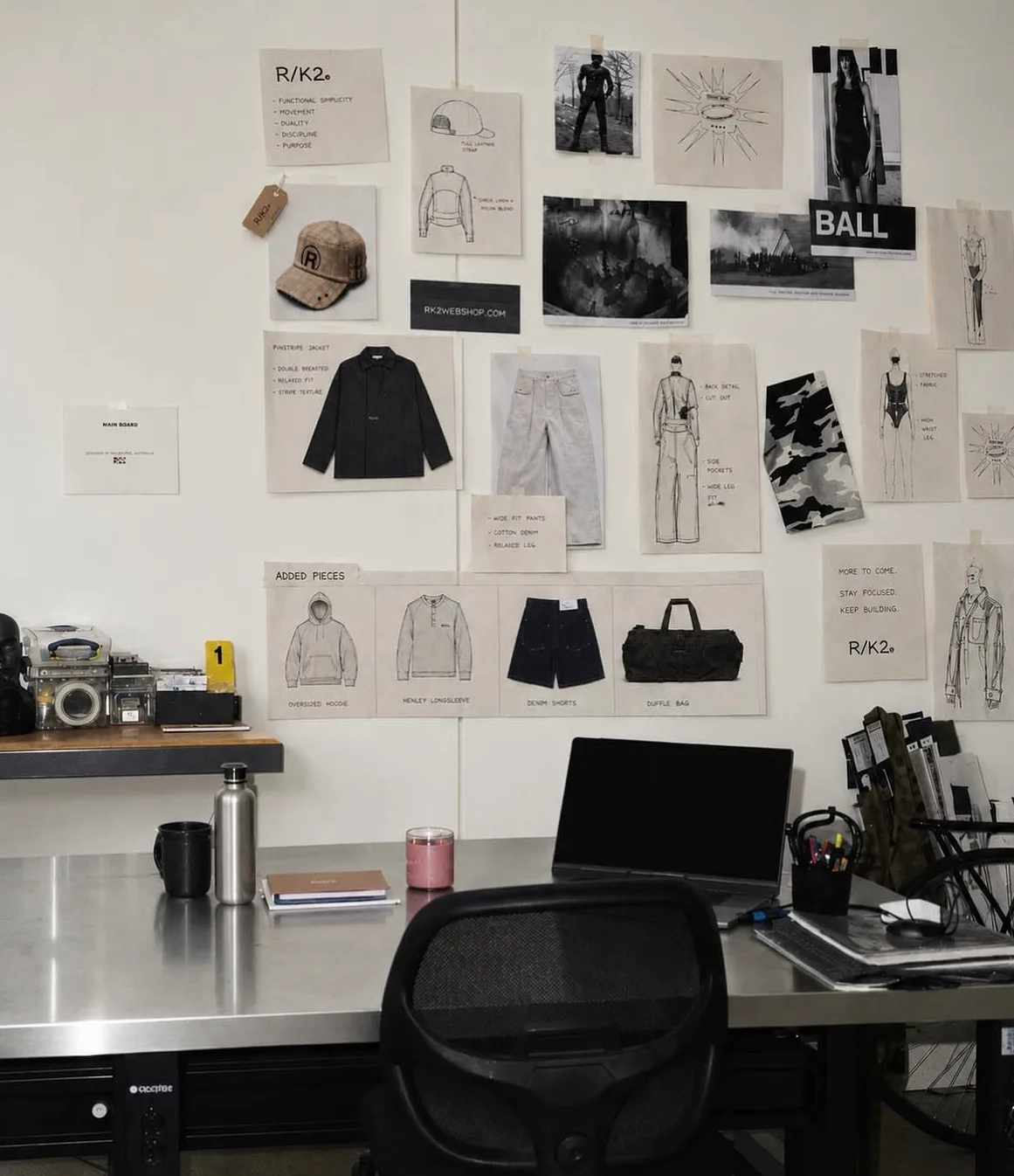
How to wash and care for heavyweight cotton and rib knits
What gsm means and how to wash, dry and store heavyweight cotton t-shirts and rib knits so they keep their shape, colour and fit for years.
02 / By Minh Tri Ha / 2 min read
Where R/K2 sits among minimal European labels
R/K2 next to Lemaire, Jil Sander, Ann Demeulemeester, Our Legacy, Han Kjøbenhavn and Arte Antwerp: founding year, city and what each label is known for.
03 / By Peter Lanssens, HLN / 2 min read
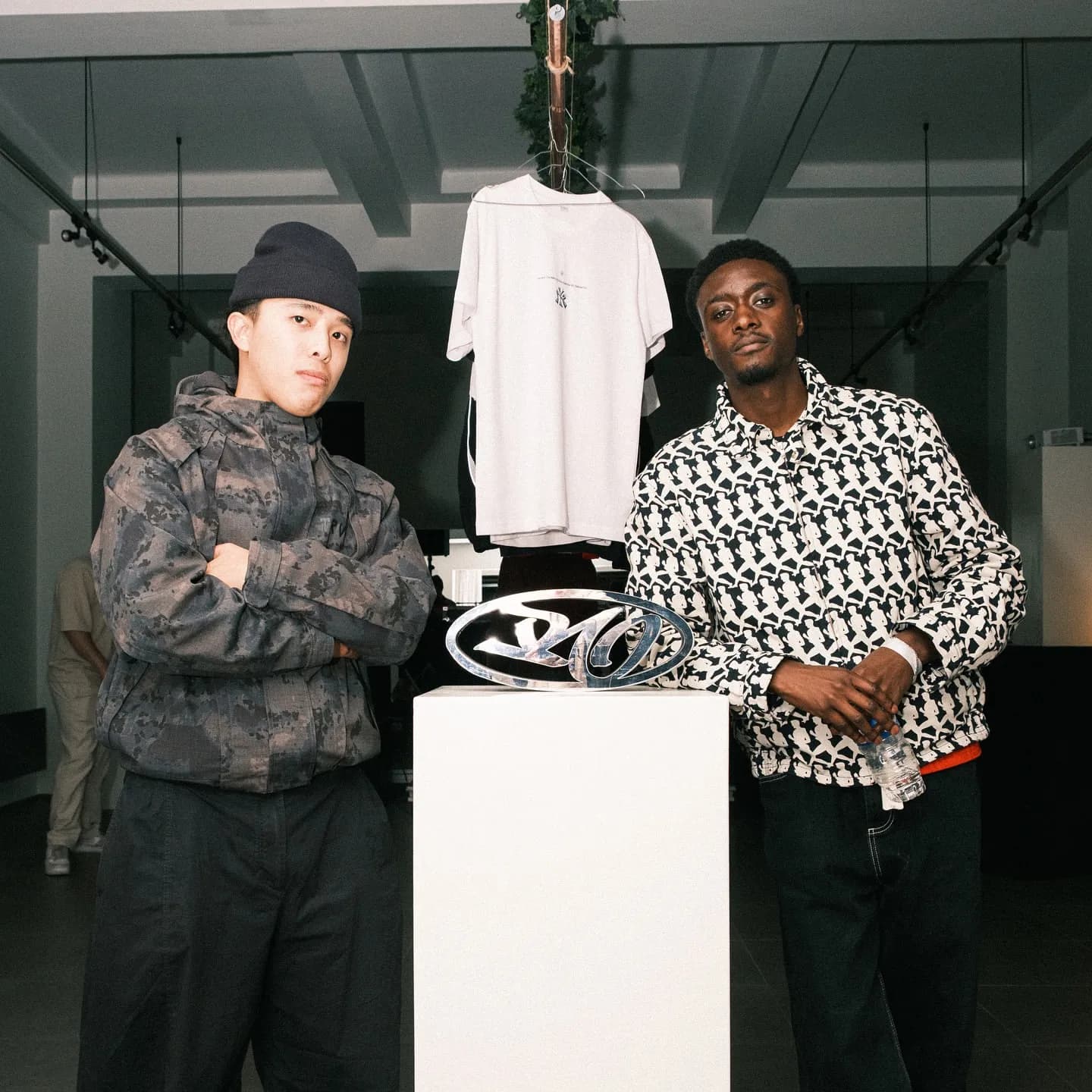
R/K2 in HLN: 500 visitors expected for R/K2://SOURCE in Kortrijk
HLN on R/K2://SOURCE: a runway show of the new winter collection at 4N20 in Kortrijk on 21 November 2026, with about 500 visitors expected.
04 / By Minh Tri Ha / 2 min read
Exhibition 8500: the R/K2 launch at Wonder Festival in Kortrijk
On 16 October 2025 R/K2 launched with Exhibition 8500 at Wonder Festival in Kortrijk: more than 250 people, the short film Reflect To Grow, live music and DJs.

05 / By Minh Tri Ha / 2 min read
R/K2://SOURCE Exhibition: two days inside the archive in Kortrijk
R/K2://SOURCE is a two-day exhibition at 4N20 in Kortrijk on 21 and 22 November 2026: a runway presentation, live performance, DJs and the archive.

06 / By Minh Tri Ha / 3 min read
Four months at Chrome Mag Berlin: design, video and creative direction
Minh Tri Ha on his internship at Chrome Mag in Berlin: a magazine, a TV logo, shoots with OBEY, Mark Forster and Ski Aggu, and a first pop-up store.
07 / By Minh Tri Ha / 2 min read
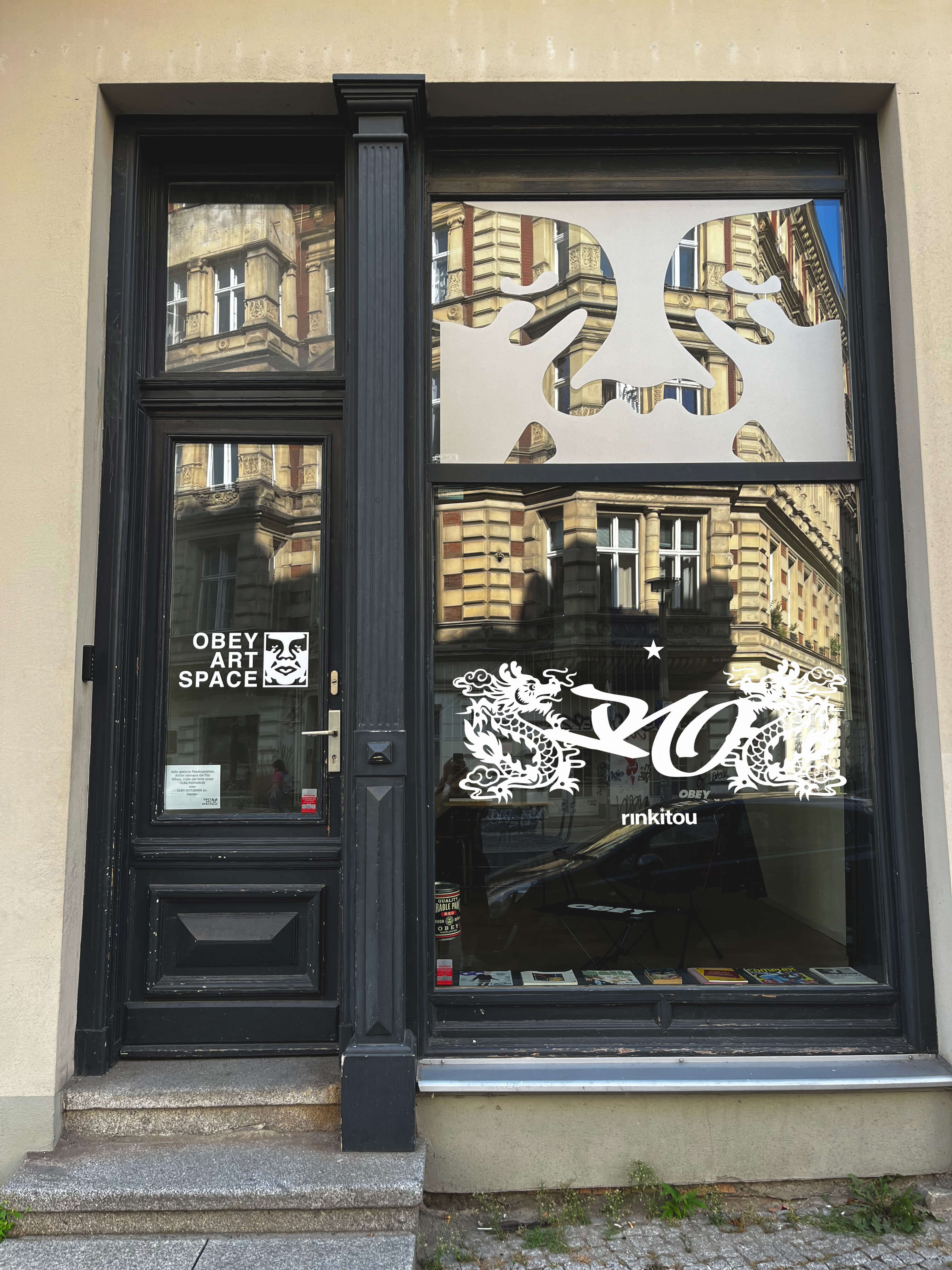
R/K2 x OBEY: a pop-up store at OBEY Art Space Berlin
How R/K2 opened its first pop-up store with OBEY Art Space in Berlin in 2024: a collaboration built around print.
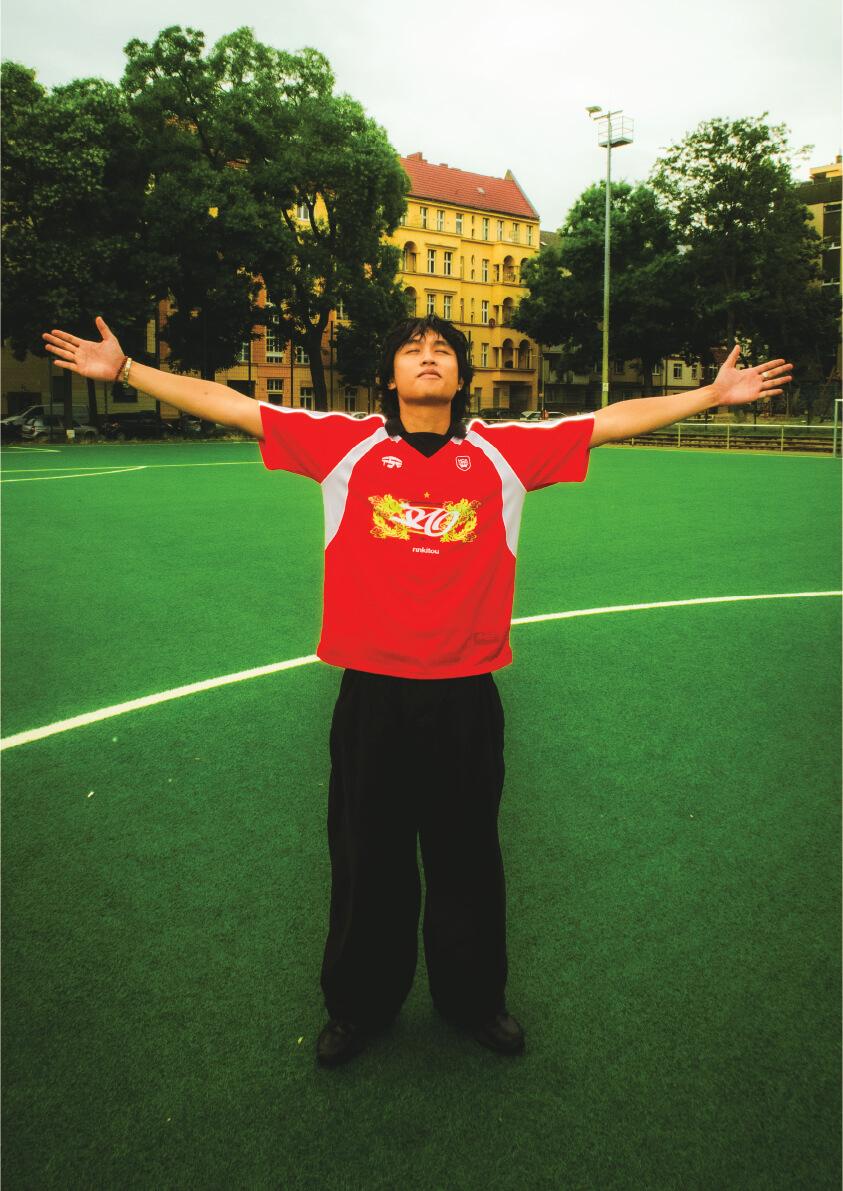
08 / By Minh Tri Ha / 1 min read
Capsule S24: the R/K2 jerseys, shot in Berlin
Capsule S24 was a run of red R/K2 football jerseys, made and shot in Berlin in the summer of 2024 together with young creatives and a giant football.

09 / By Minh Tri Ha / 3 min read
How R/K2 works as an archive: clothing, film, photography and objects
R/K2 is a fashion label that works as a cultural archive: how it documents the overlooked and turns it into clothing, film, photography and exhibitions.
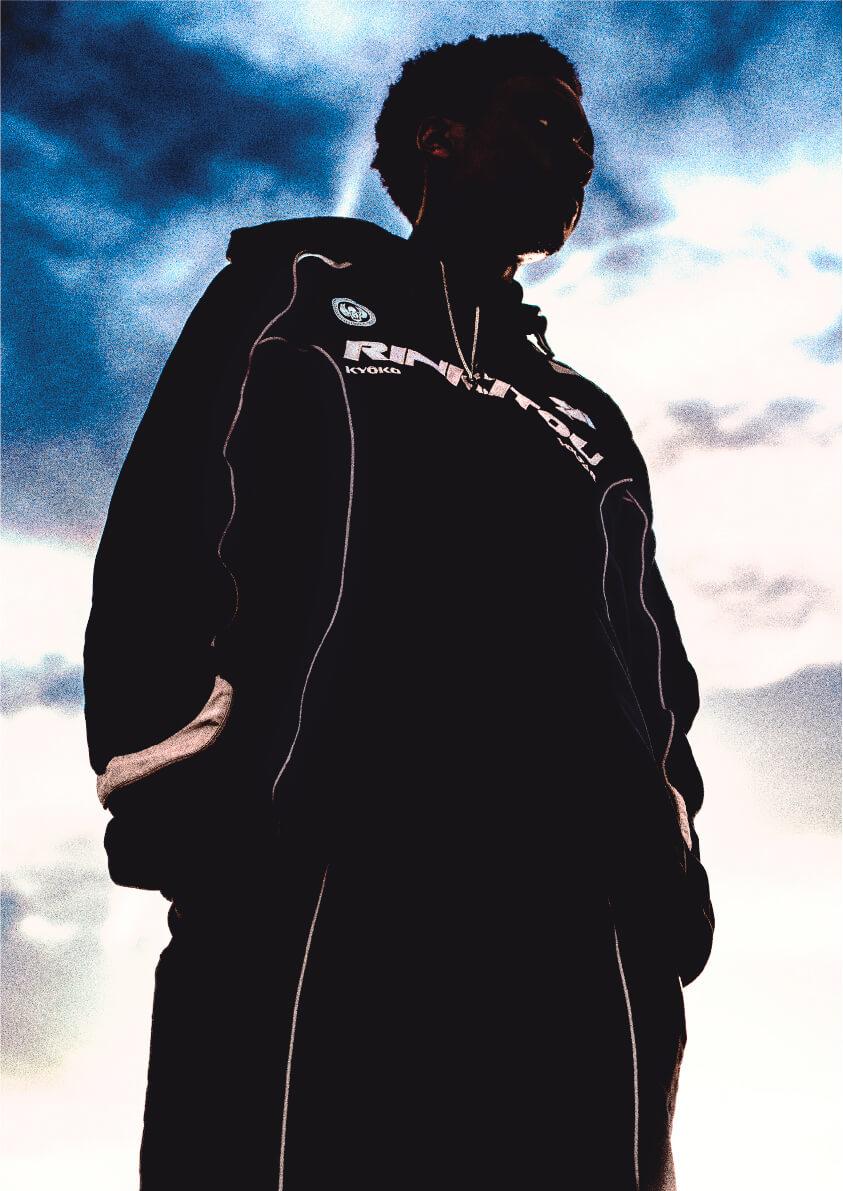
10 / By Minh Tri Ha / 2 min read
R/K2 in photography and film: shoots, short films and exhibitions
The photography and film work of R/K2, the fashion label from Kortrijk: the short film Reflect To Grow, Capsule S24 in Berlin, Tracksuit Chronicles and more.
11 / By Minh Tri Ha / 2 min read
R/K2 OS: the system I built behind the brand
R/K2 OS is the internal system Minh Tri Ha built for R/K2: collections, tech packs, production, shoots, fits, events and RSVPs in one place.

12 / By Minh Tri Ha / 3 min read
Building the R/K2 webshop: a headless Shopify store in Next.js
Why Minh Tri Ha built the R/K2 webshop himself as a headless store: Next.js on the front, Shopify as the backend, and what that gives the brand.
13 / By Minh Tri Ha / 6 min read
Belgian clothing brands: from the Antwerp Six to independent labels
Belgian clothing brands in one guide: the Antwerp Six, Margiela and Raf Simons, everyday labels, Delvaux and Natan, and independent minimal labels like R/K2.
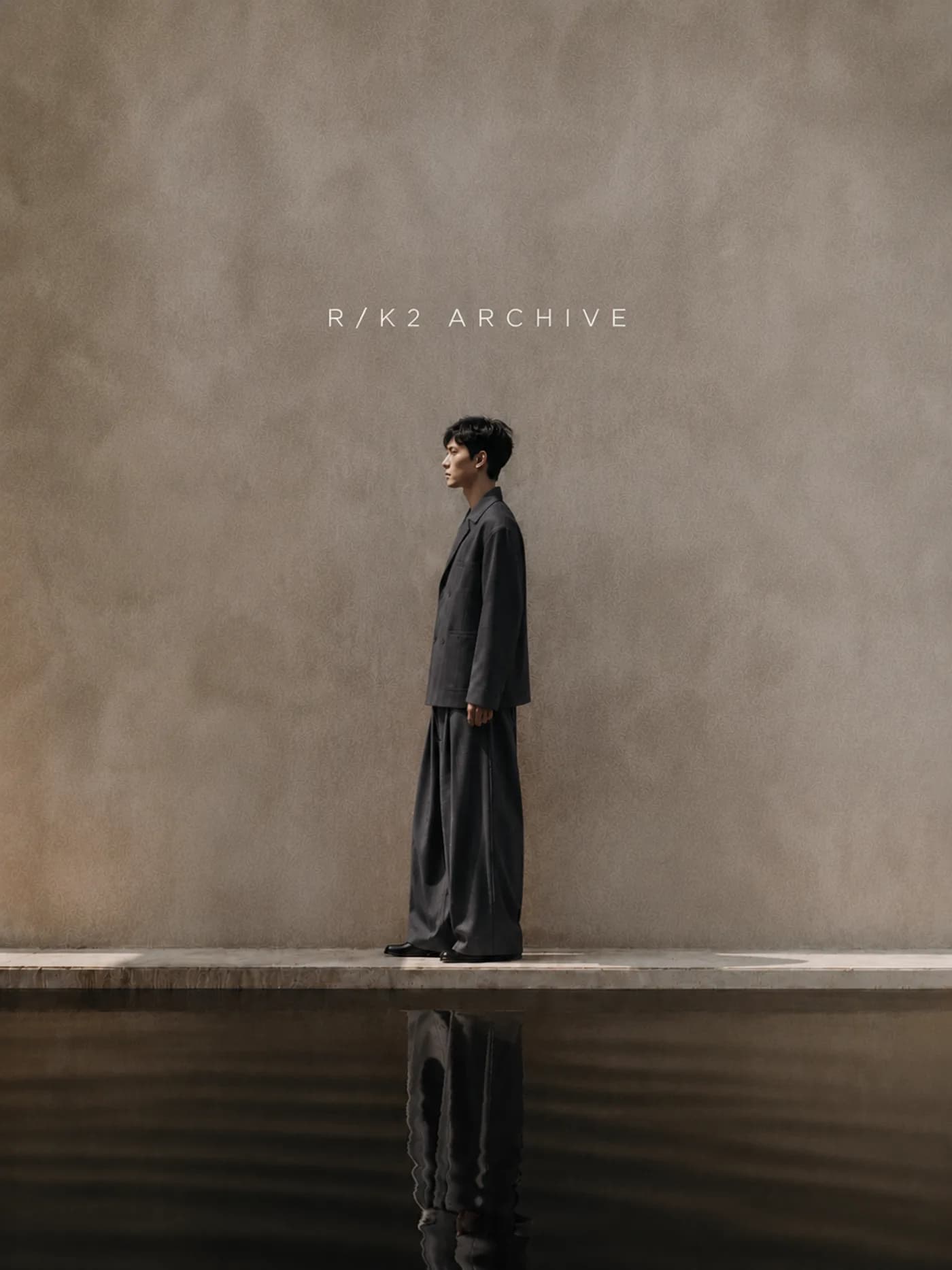
14 / By Minh Tri Ha / 6 min read
Belgian menswear brands: 14 labels for men, and what to buy
Belgian menswear brands for men who buy to keep: designer labels, tailoring, everyday labels and independents, with a comparison table and fit notes.
15 / By Minh Tri Ha / 8 min read
Belgian fashion designers: from the Antwerp Six to now
A short guide to Belgian fashion designers: the Antwerp Six, Martin Margiela, Raf Simons and the generations after them, and why Belgium still matters.
16 / By Minh Tri Ha / 6 min read
Capsule wardrobe: the minimalist wardrobe essentials, piece by piece
How many pieces a capsule wardrobe needs, a checklist of minimalist wardrobe essentials, a neutral palette and cost per wear, in tables you can use.
17 / By Minh Tri Ha / 8 min read
How to choose a leather jacket: a complete buying guide
How to choose a leather jacket: lambskin vs cowhide, full grain vs genuine leather, fit, lining, hardware, price and ageing, with a checklist for the shop.
18 / By Minh Tri Ha / 8 min read
Japanese denim vs regular denim: the difference, and is it worth it?
Japanese denim vs regular denim: shuttle looms, selvedge, rope dyeing, slub yarns, weight in oz, raw or washed, fades, price and how to choose a fit.
19 / By Minh Tri Ha / 6 min read
What is archive fashion? A clear guide
What archive fashion means, how it differs from vintage, why provenance matters and how to start collecting archive pieces without overpaying.
20 / By Minh Tri Ha / 6 min read
Limited drops: how they work and how not to miss one
What a limited clothing drop is, why brands release in small runs, and practical steps to get the piece and size you want before it sells out.
21 / By Minh Tri Ha / 6 min read
How to care for a leather jacket: cleaning, rain and storage
How to clean, condition, dry and store a leather jacket so it lasts for years: what to do after rain, how often to condition and what never to do.
22 / By Minh Tri Ha / 5 min read
How to wash and care for Japanese denim
How to wash Japanese and selvedge denim: how often, at what temperature, how to dry it, how to handle shrinkage and indigo transfer, and how to store it.


